Bailey Plaza, Cornell Univeristy

Ithaca, New York

Developed with Michael Van Valkenburgh Associates, New York, NY

A Project Story

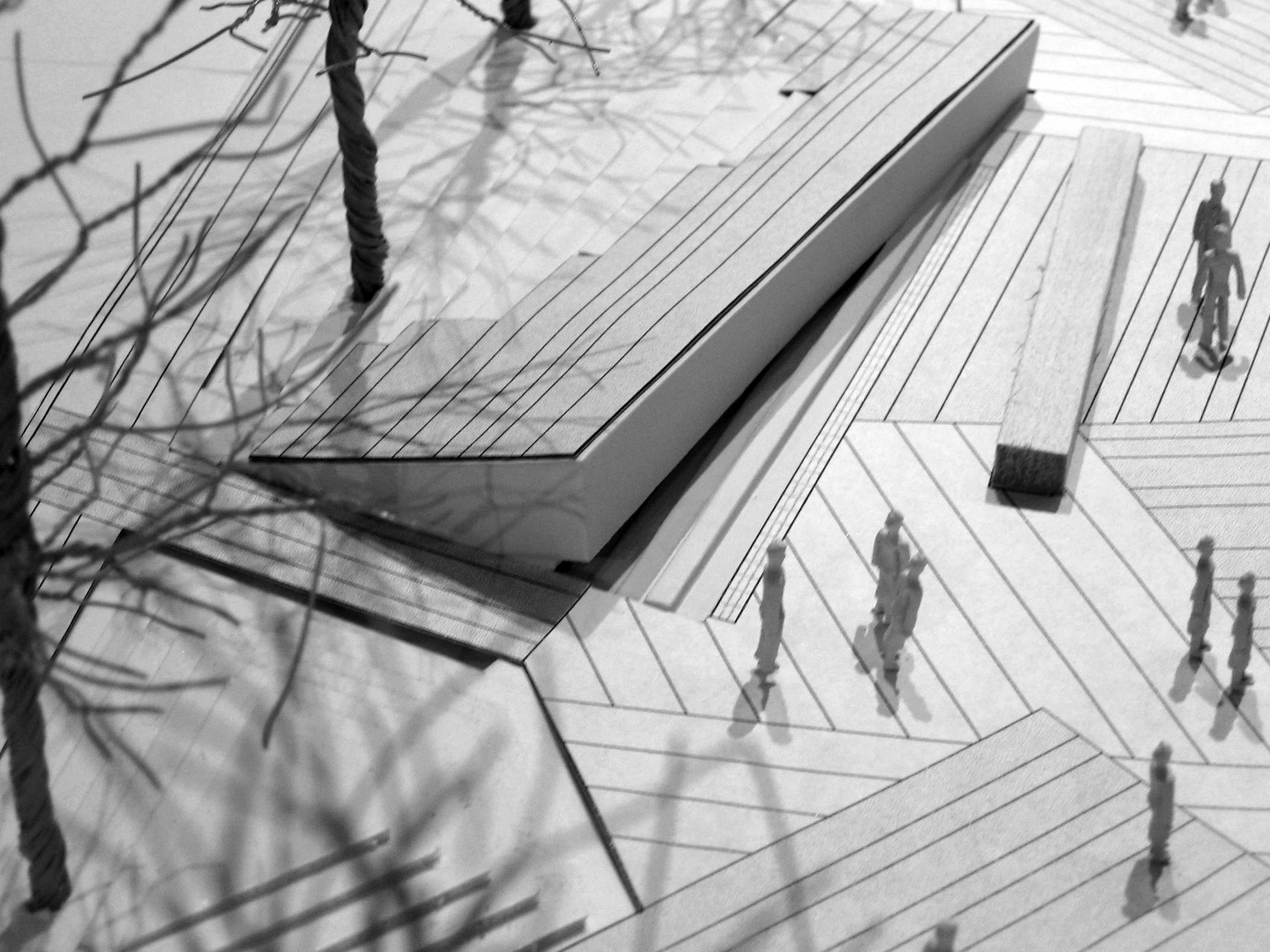
Bailey Plaza was a deeply meaningful and ultimately transformative project, both for Cornell and for our team. Led by Michael Van Valkenburgh, arguably the most prominent alumnus of Cornell’s Landscape Architecture program, the project began with a concept that Michael and I developed through an invited interview process. From the outset, we argued that the plaza should not be driven solely by circulation, and our early concept reflected a restrained, European inspired approach organized around a simple, elevated square. The first presentation was met with strong enthusiasm.

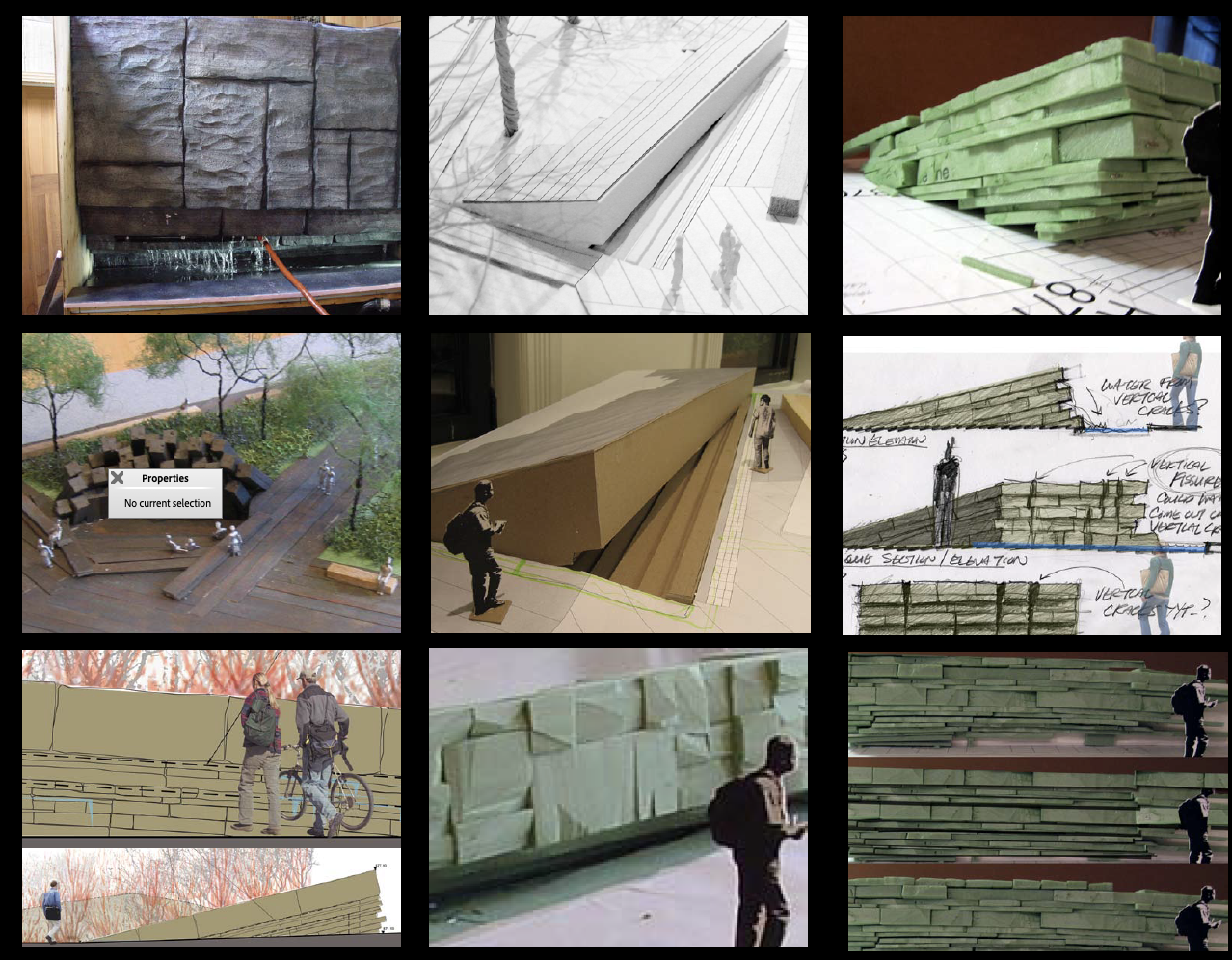
A pivotal moment came after that presentation, when, at Michael’s initiative, we brought the Cornell client group to Teardrop Park in New York City. The visit had an unexpected consequence: shortly afterward, the client rejected our proposal. While surprising at the time, their response proved critical. The project needed to more fully embody Cornell’s identity and its connection to the landscapes and culture of upstate New York.

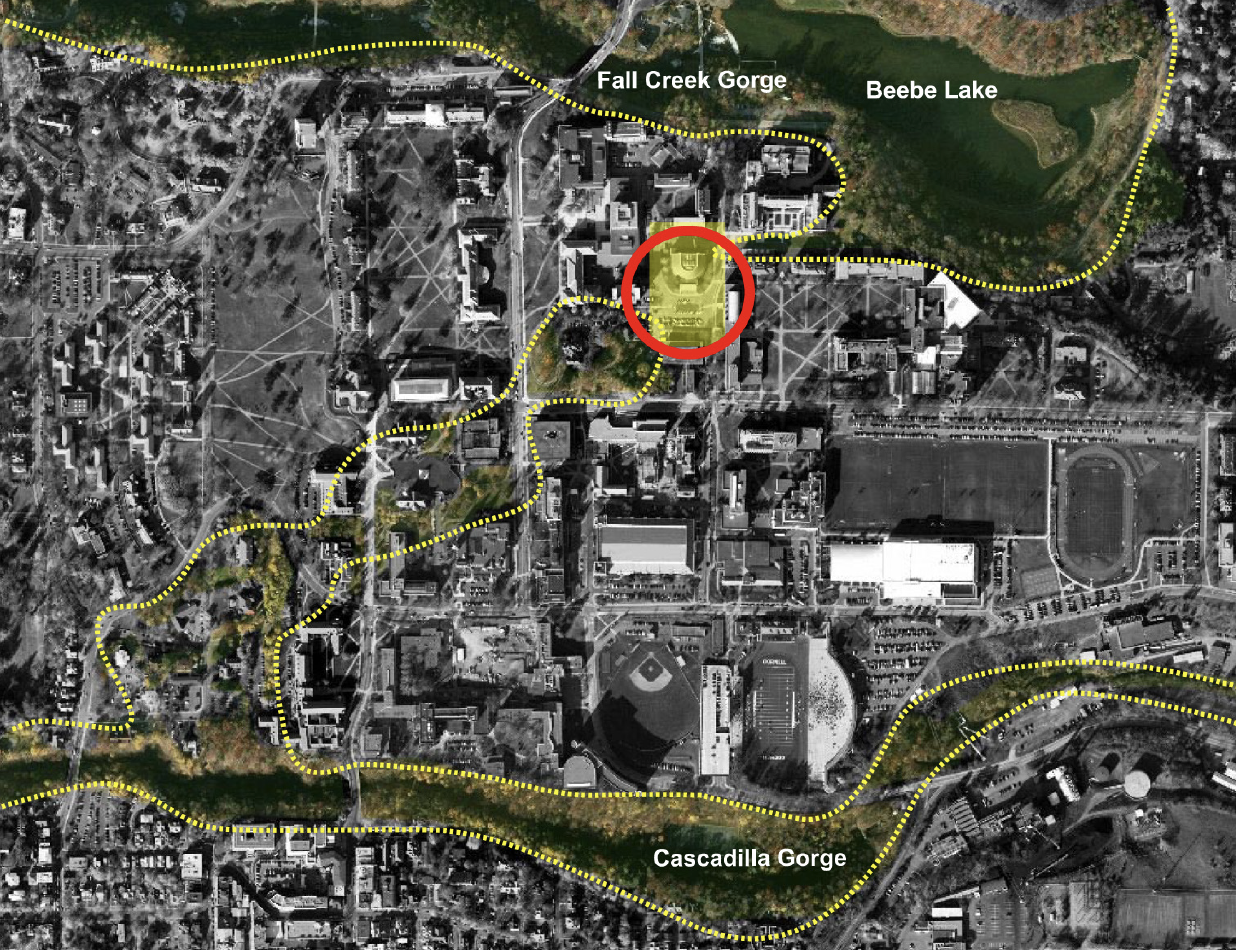
The design was fundamentally rethought, shifting toward a landscape driven approach that embraced topography, material expression, and seasonality. Circulation, initially downplayed, became central, reflecting the convergence of paths at this key campus space in front of Bailey Hall, the preeminent cultural venue at Cornell where major lectures and events are held. The design drew on regional references, including Ithaca’s iconic gorges, expressed through a constructed rock outcrop that ultimately incorporated a sound driven water feature. At this stage, Chris Gates and Steve Noone became instrumental in advancing the project, helping translate the evolving design into a buildable and coordinated reality.

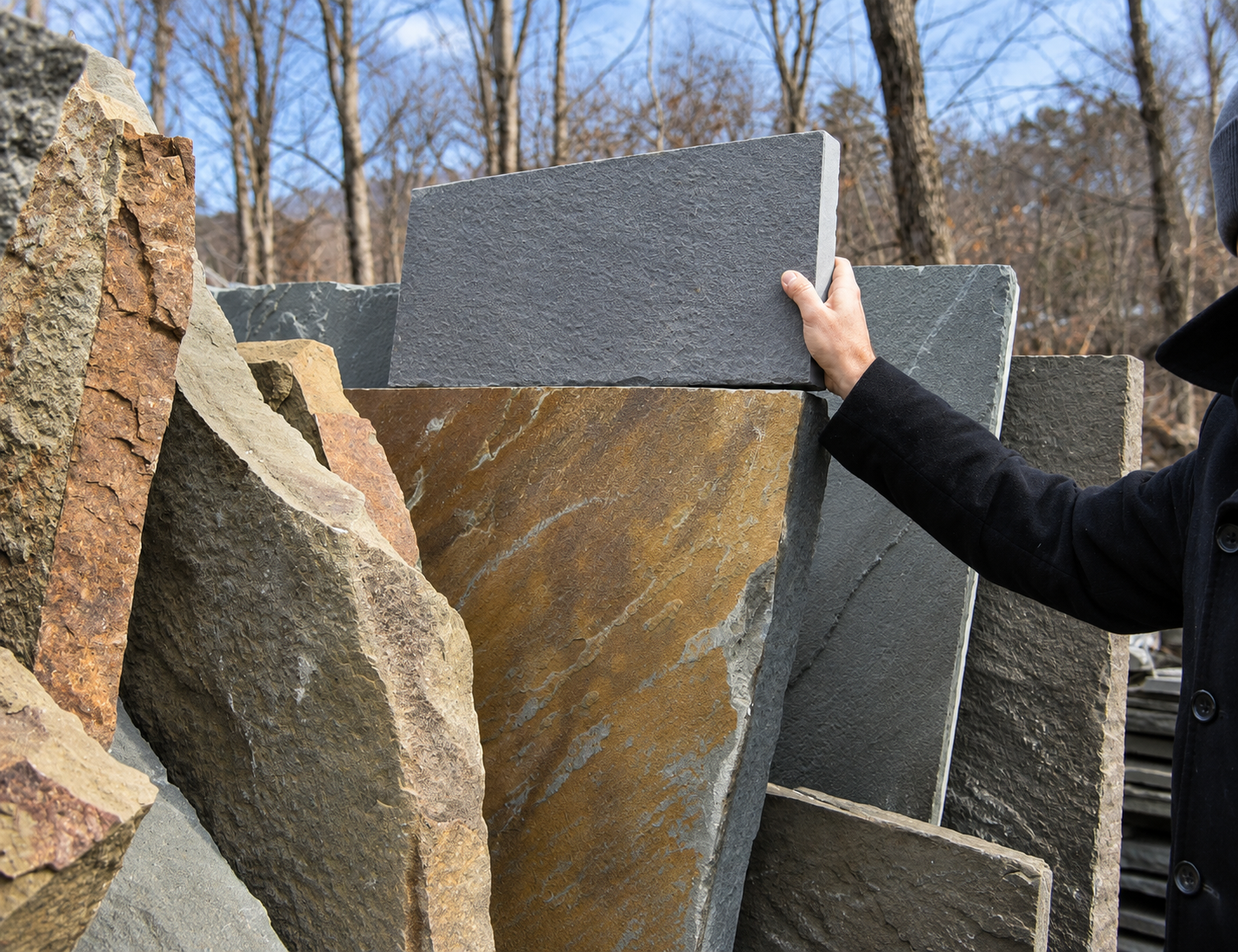
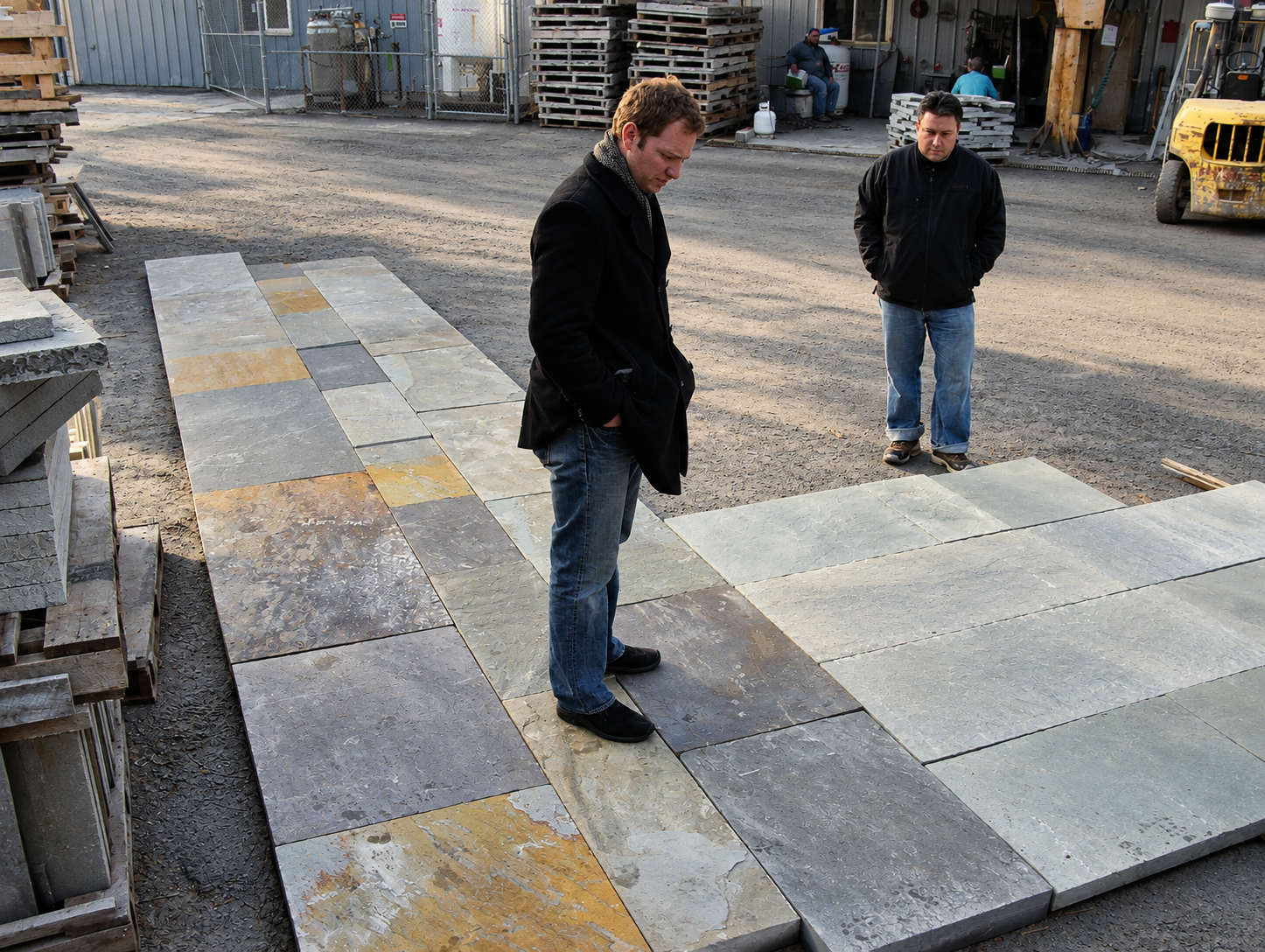
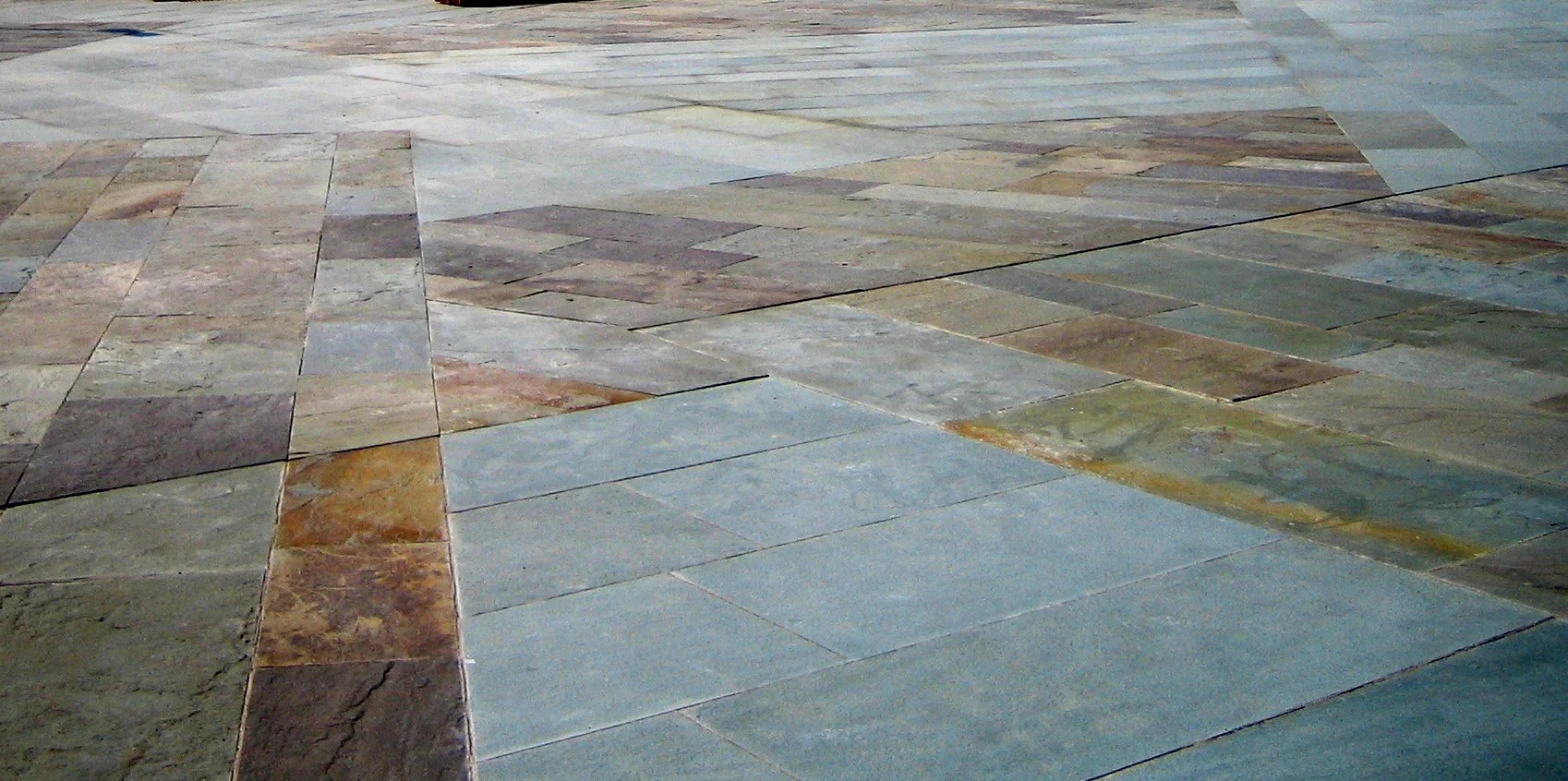
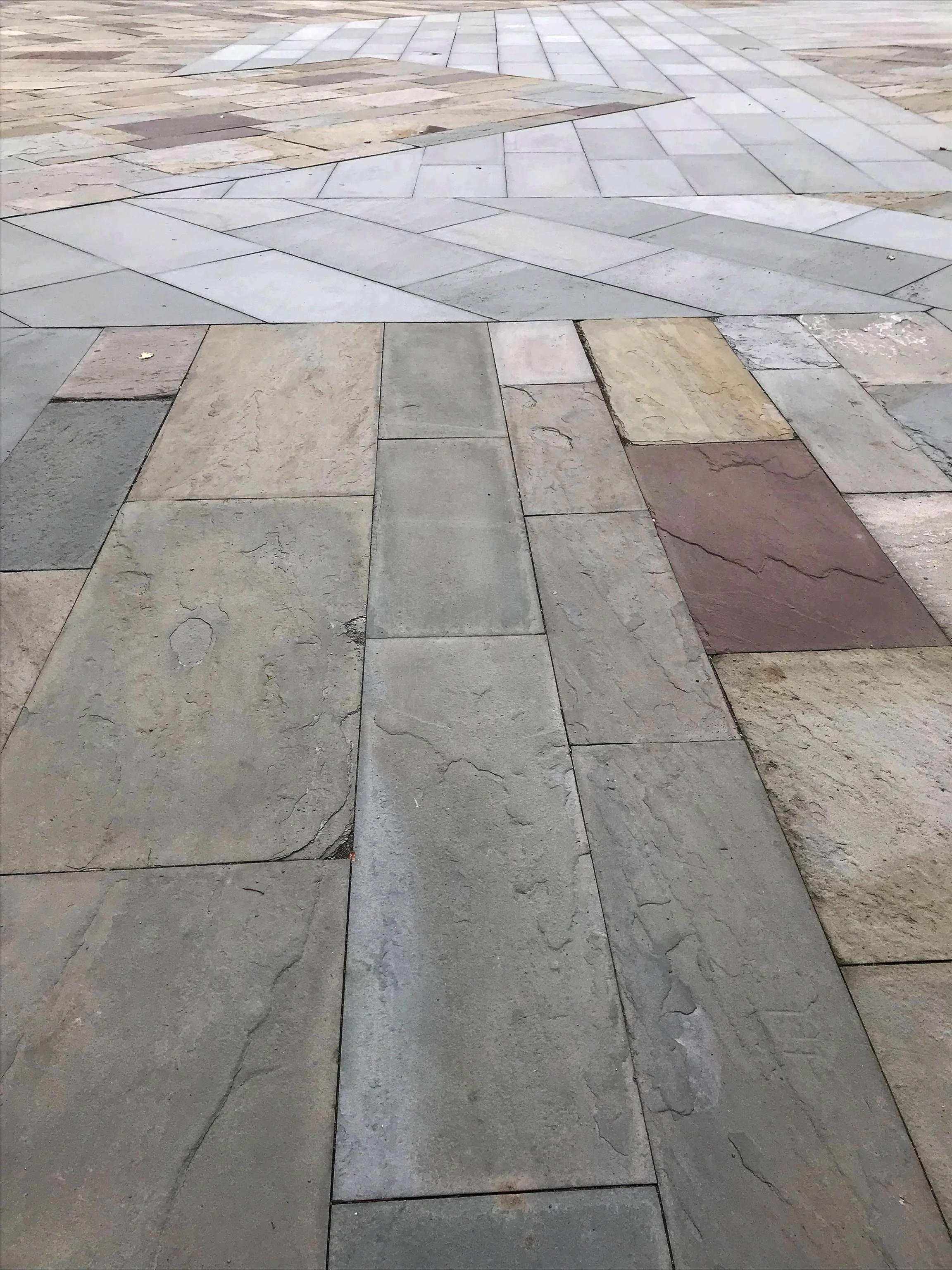
Material strategy became a key driver of the design. The paving, which I helped develop, utilized a single stone, Alcove bluestone, articulated through contrasting finishes. Thermal finished, flame treated surfaces created a consistent gray field, while natural cleft stone introduced warmer reddish tones, allowing variation to emerge from process rather than material change. Extensive collaboration, including multiple quarry visits and mock ups with Lance Delacrosse of Connecticut Stone, was essential in refining this approach. Furnishings further reinforced the regional narrative, with large monolithic wood benches referencing the historical prominence of both timber and stone industries in upstate New York.

Through this collaborative and iterative process, the project evolved into a plaza that is both contemporary and deeply rooted in its context. It also stands as a reminder that strong leadership, listening closely to the client, and remaining open to new ideas can allow a project to evolve into a far more meaningful and successful outcome.