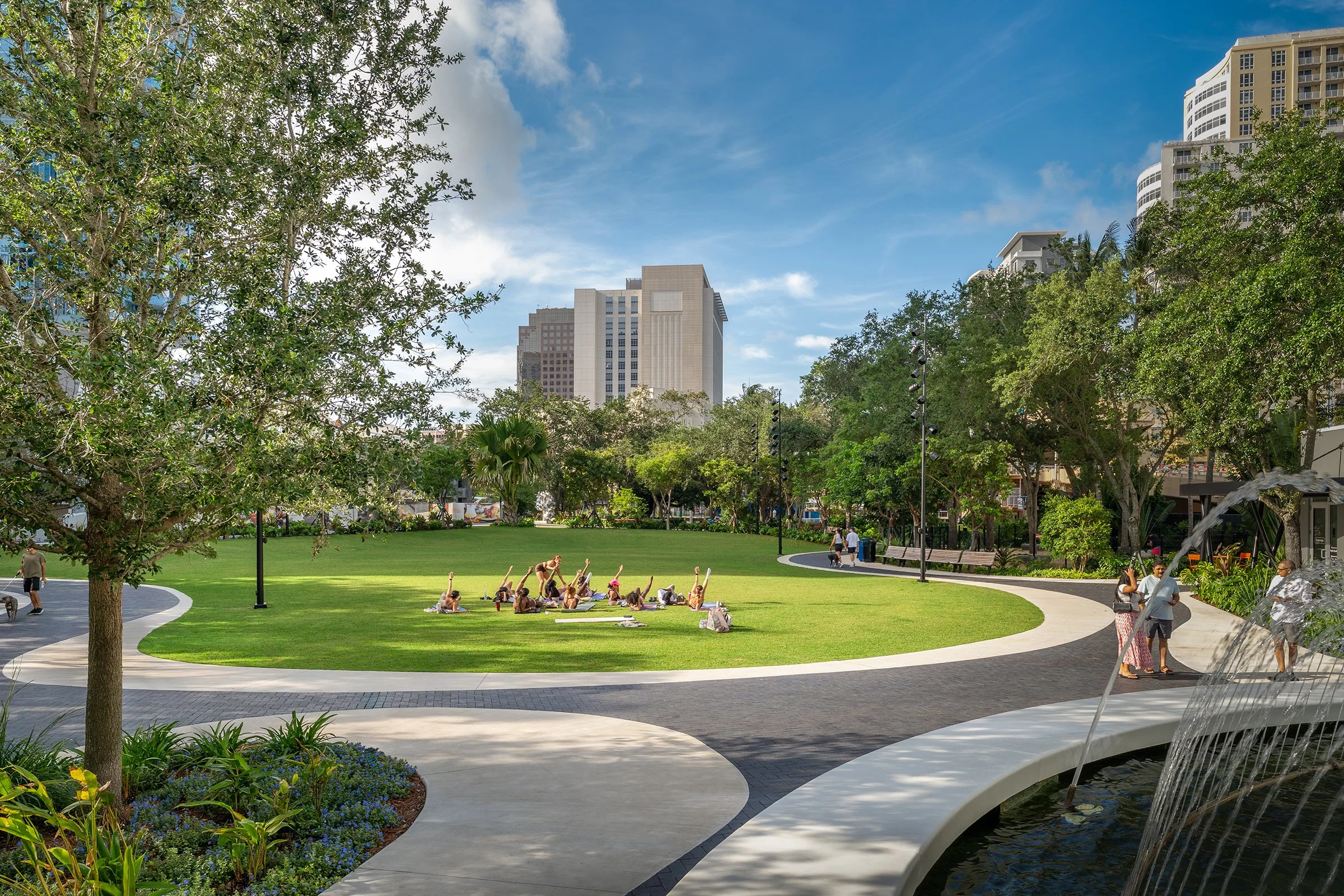
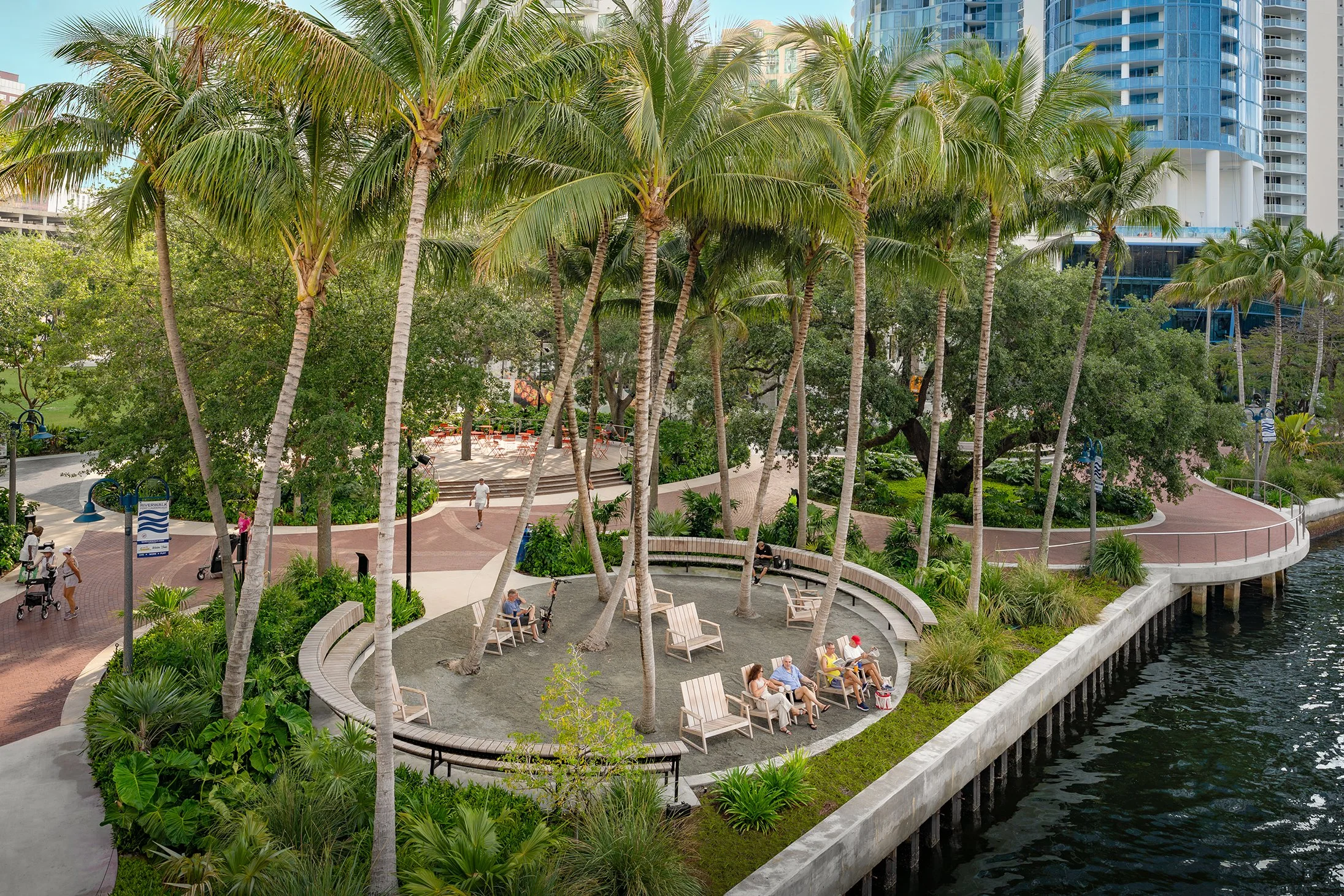
Huizenga Park, Ft. Lauderdale, FL. Developed with Perkins & Will. Miami AIA Award Winner

Riverfront Plaza, Jacksonville, FL. Developed with Perkins & Will. National Competition Winner
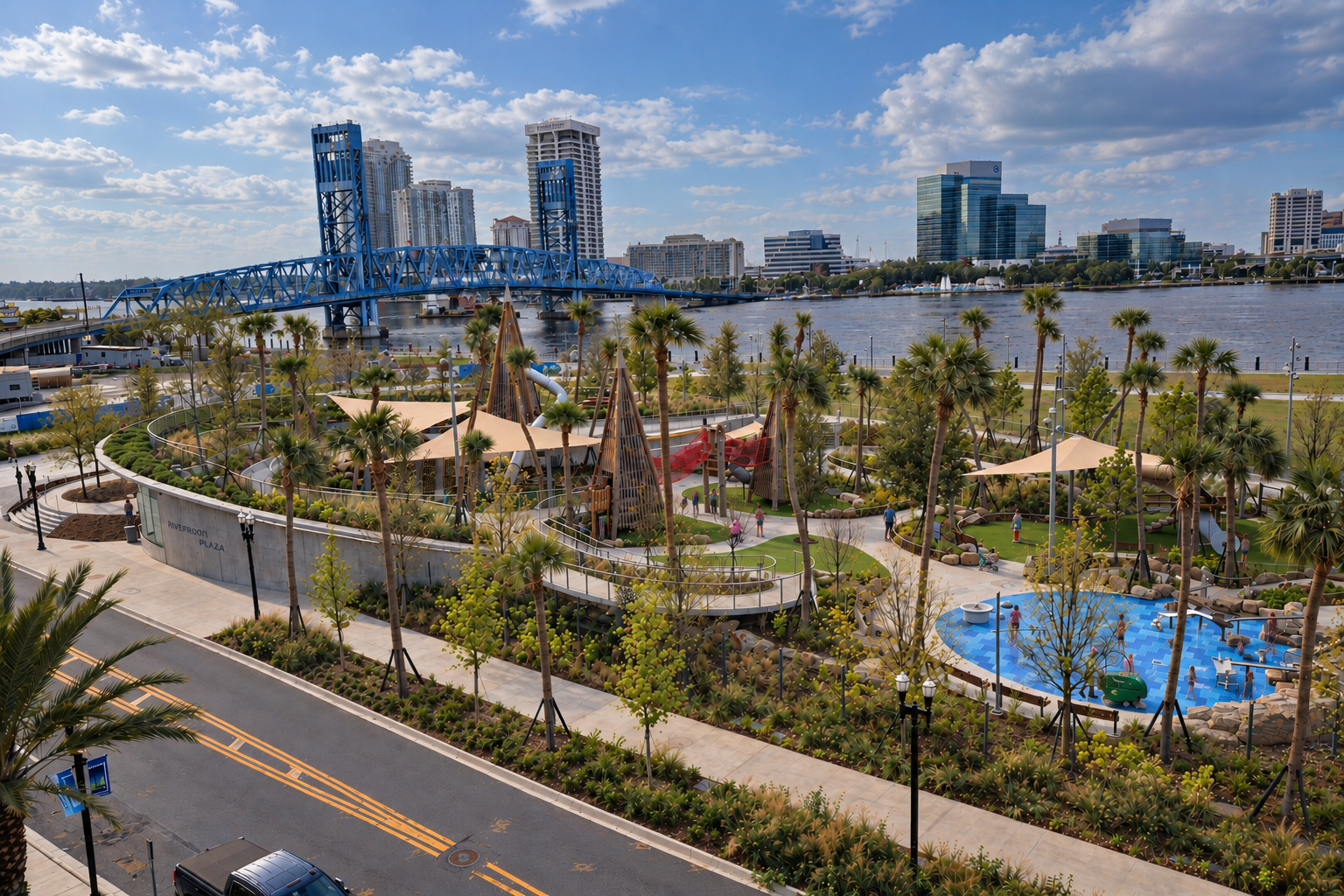
Riverfront Plaza Phase 1, Jacksonville, FL. Developed with Perkins & Will

Beijing International Expo Garden, Beijing, China. Developed with Counts Studio in collaboration with Sillman (TY Lin) International Competition Winner
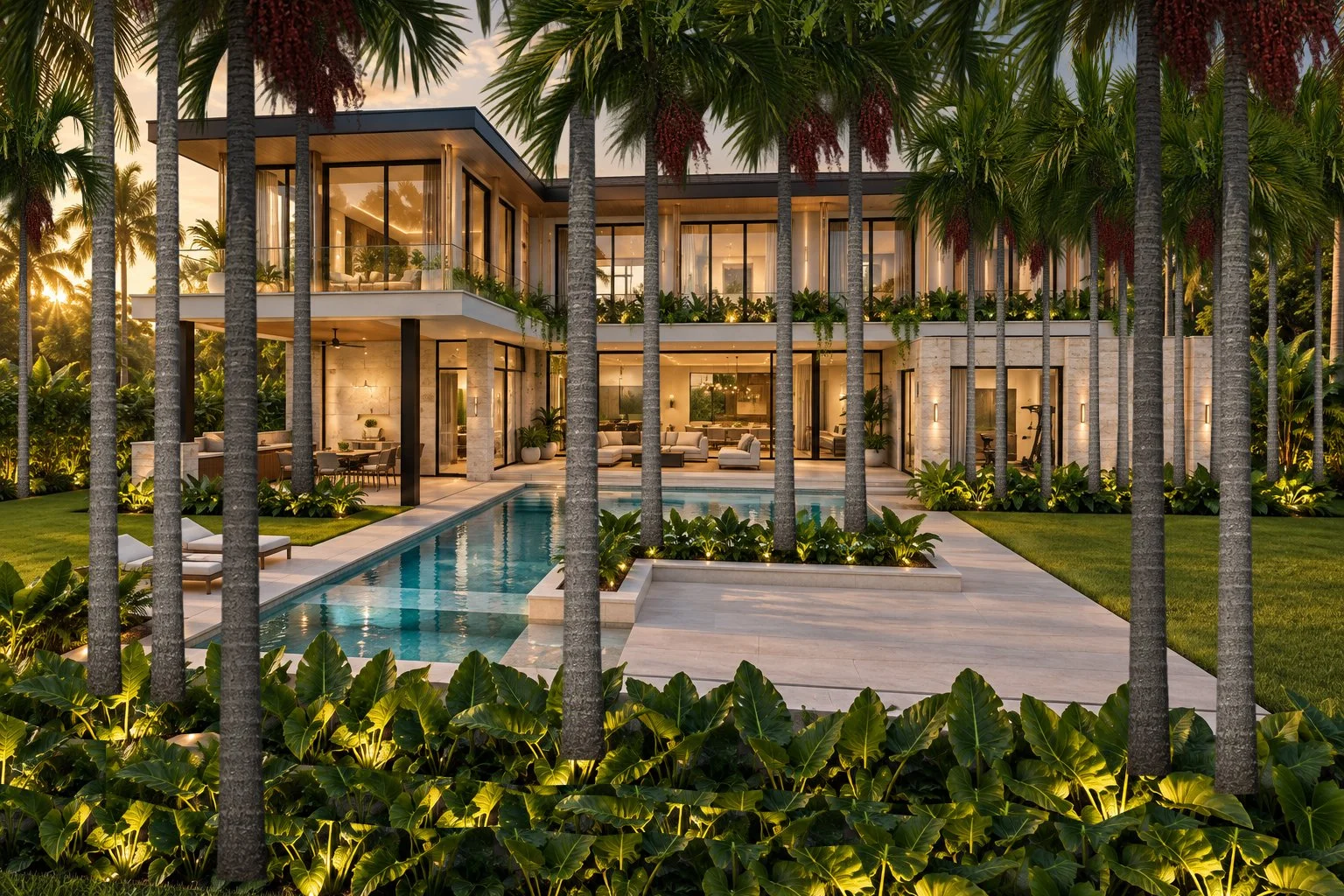
Minimalist Garden, Miami, FL. Developed with Counts Studio in collaboration with Burton Hersh Architects
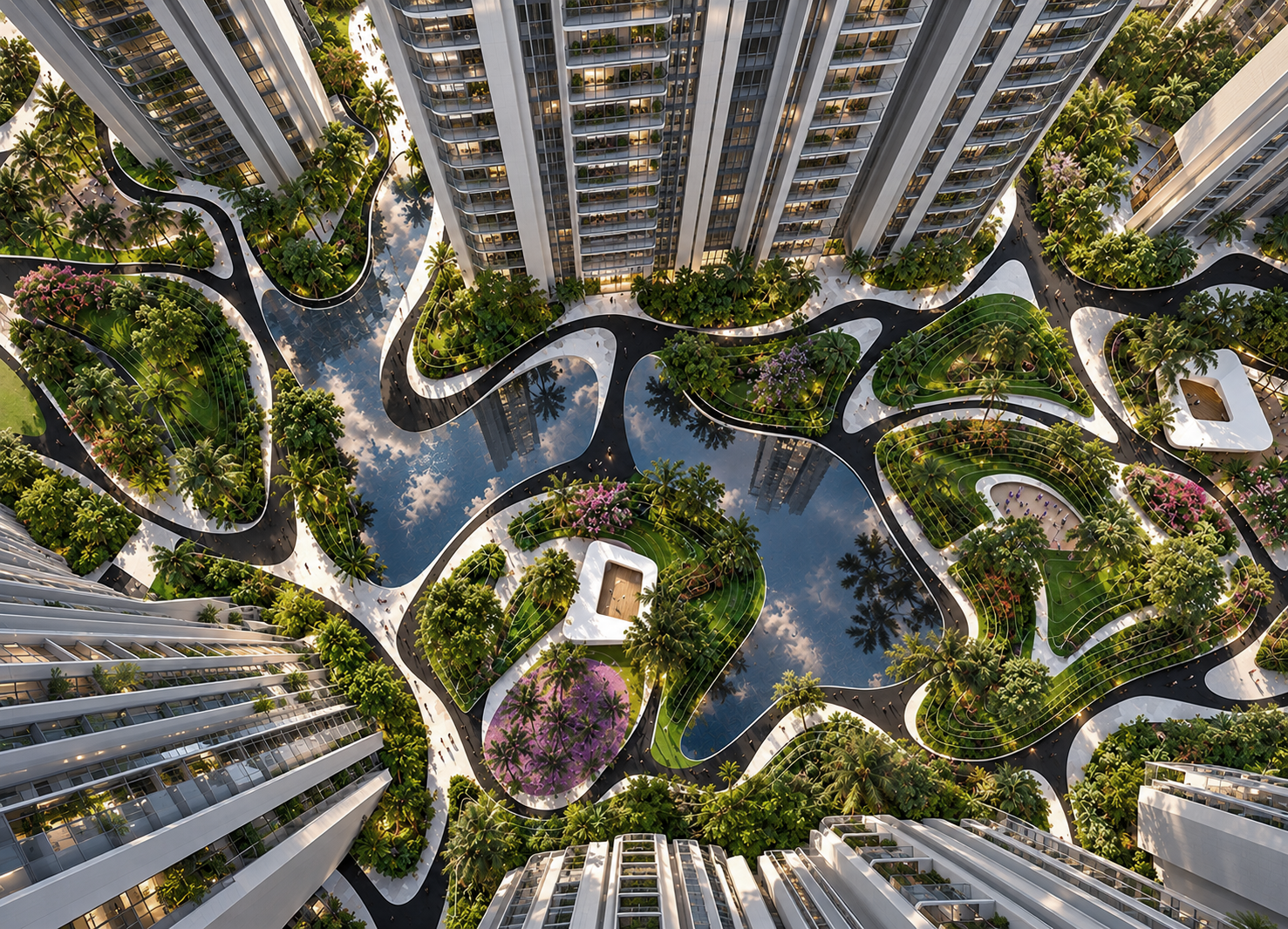
Qiashan New City Master Plan, Zhuhai, China. Developed with Counts Studio in collaboration with HM Design, Dumon Design, Silman (TYLin), and DavidClovers Architects
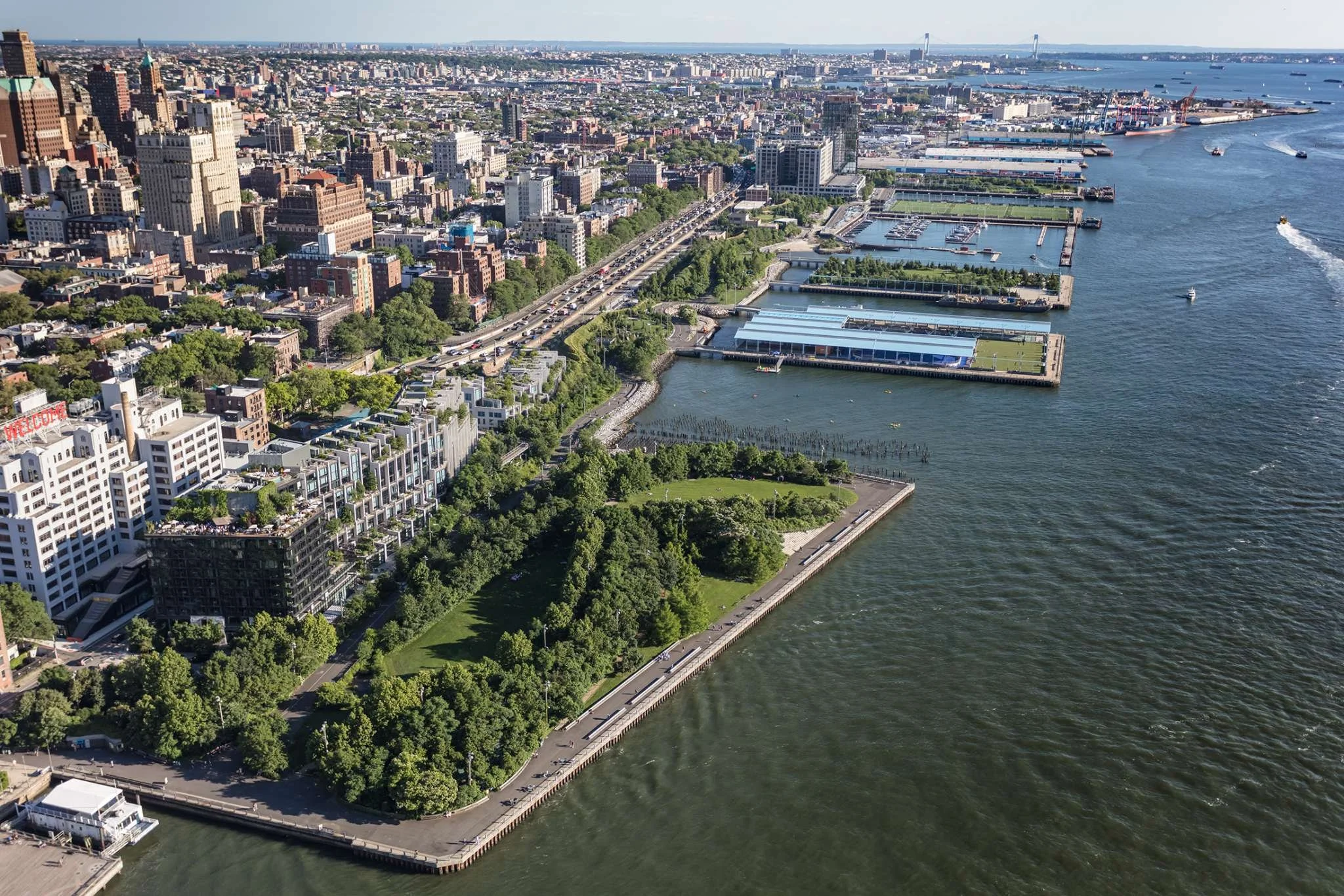
Brooklyn Bridge Park, Brooklyn, NY. Developed with Michael Van Valkenburgh Associates. National ASLA Award Winner
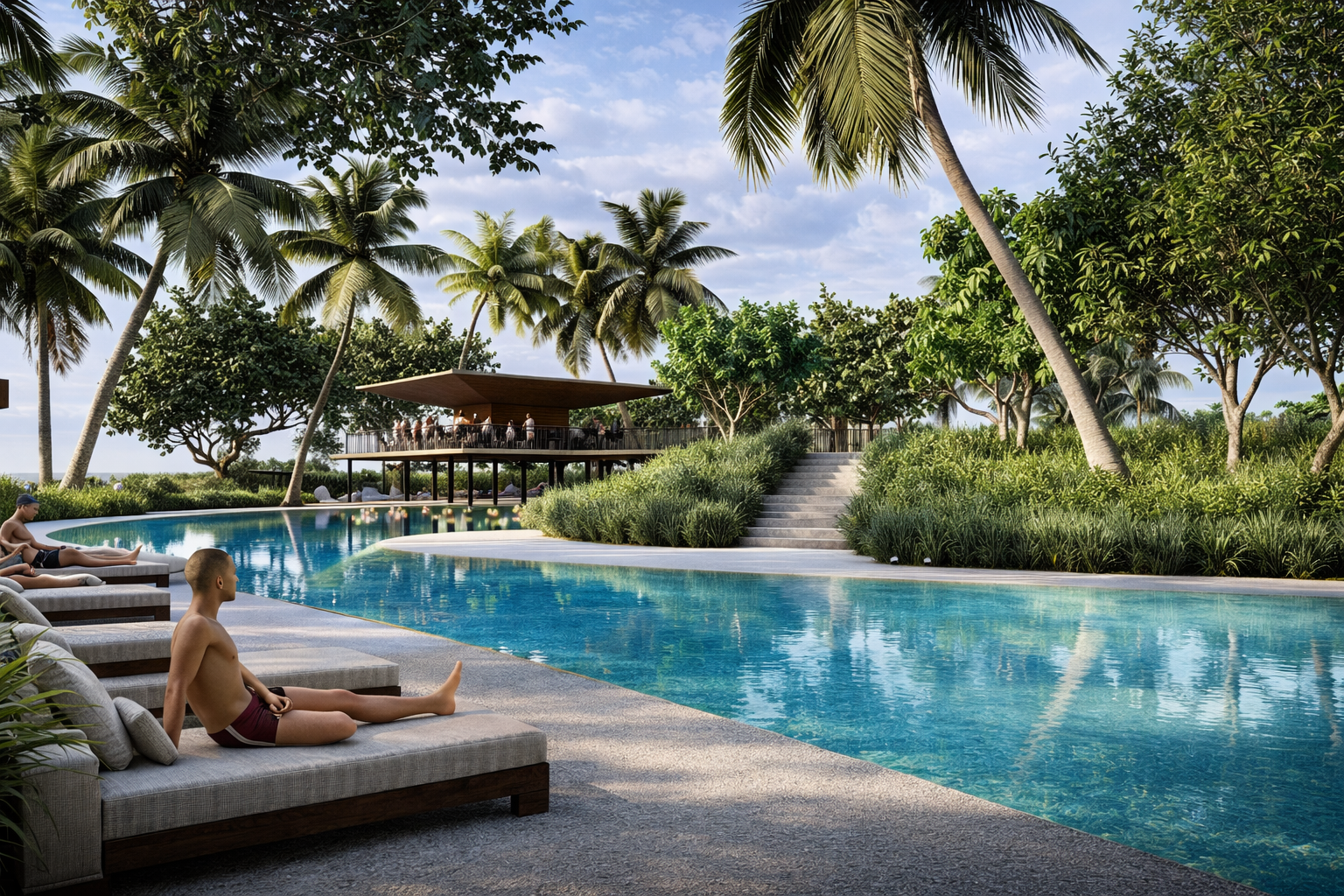
301 Ocean Drive, Key Biscayne, FL. Developed with Raymond Jungles Inc. in collaboration with Touzet Studio
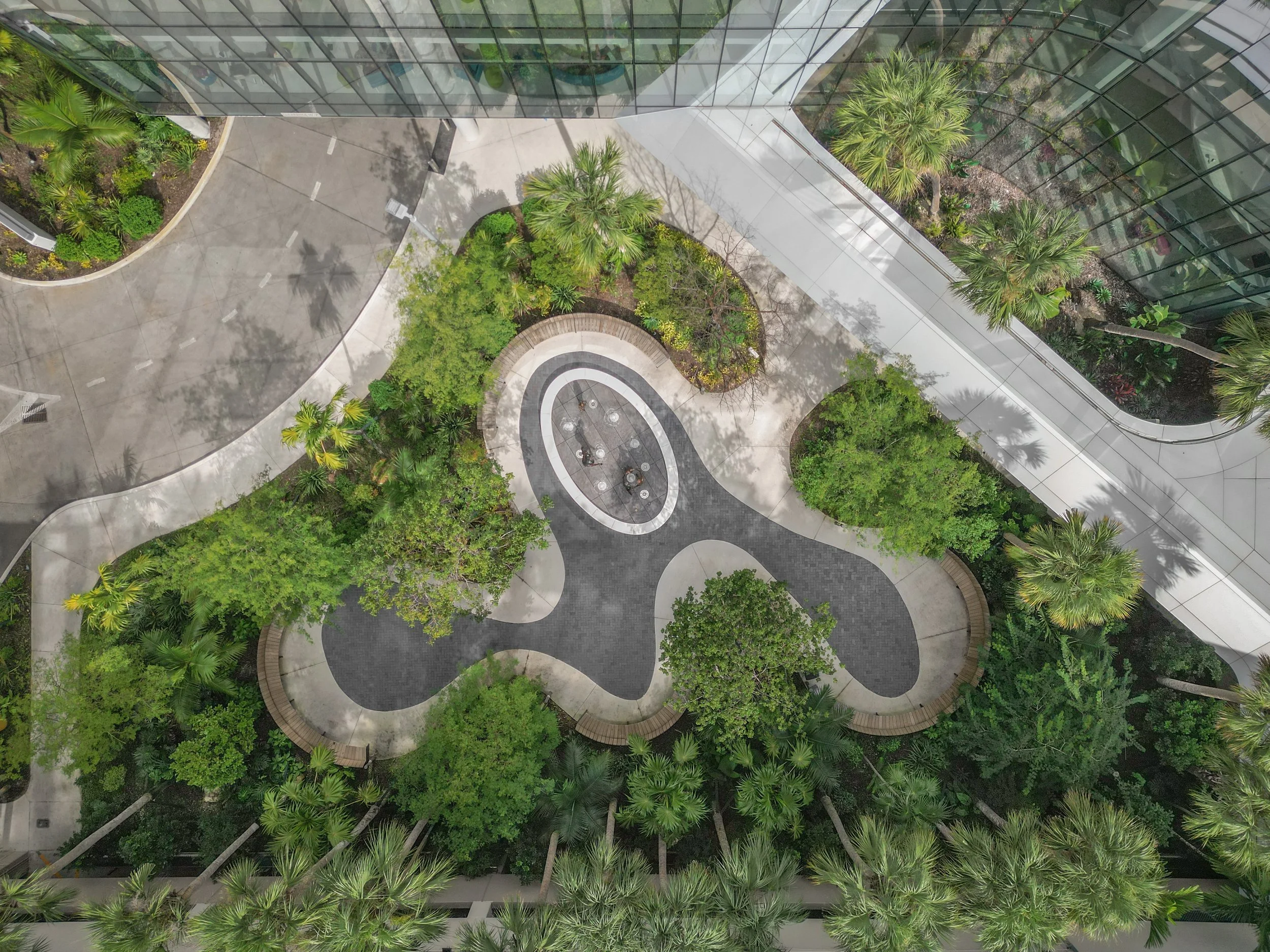
Nicklaus Children's Hospital Children's Garden, Miami, FL. Developed with Perkins & Will. ASLA Florida Award Winner
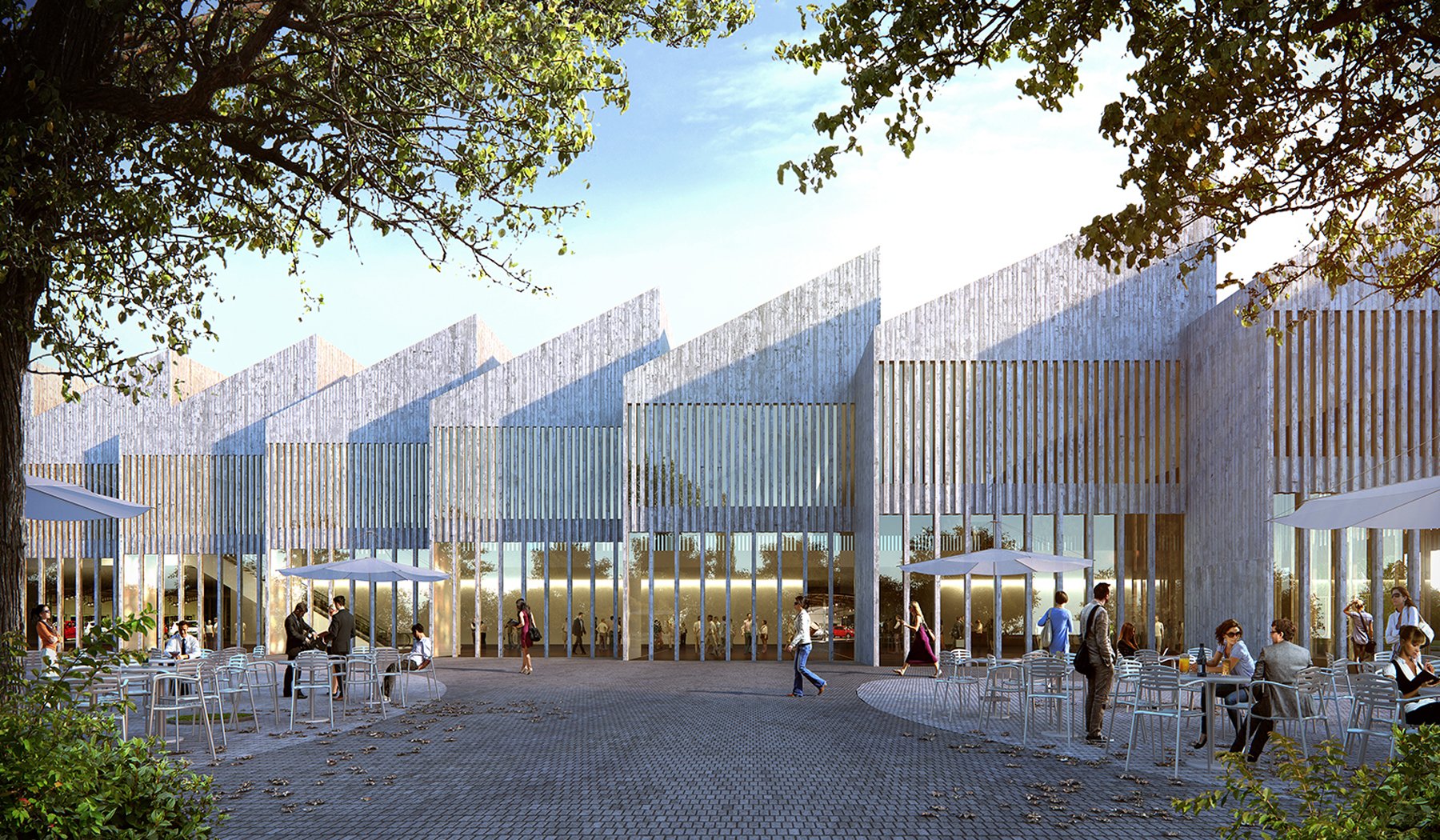
ExpoGeorgia, Tbilisi, Georgia. Developed with Counts Studio in collaboration with Trahan Architects
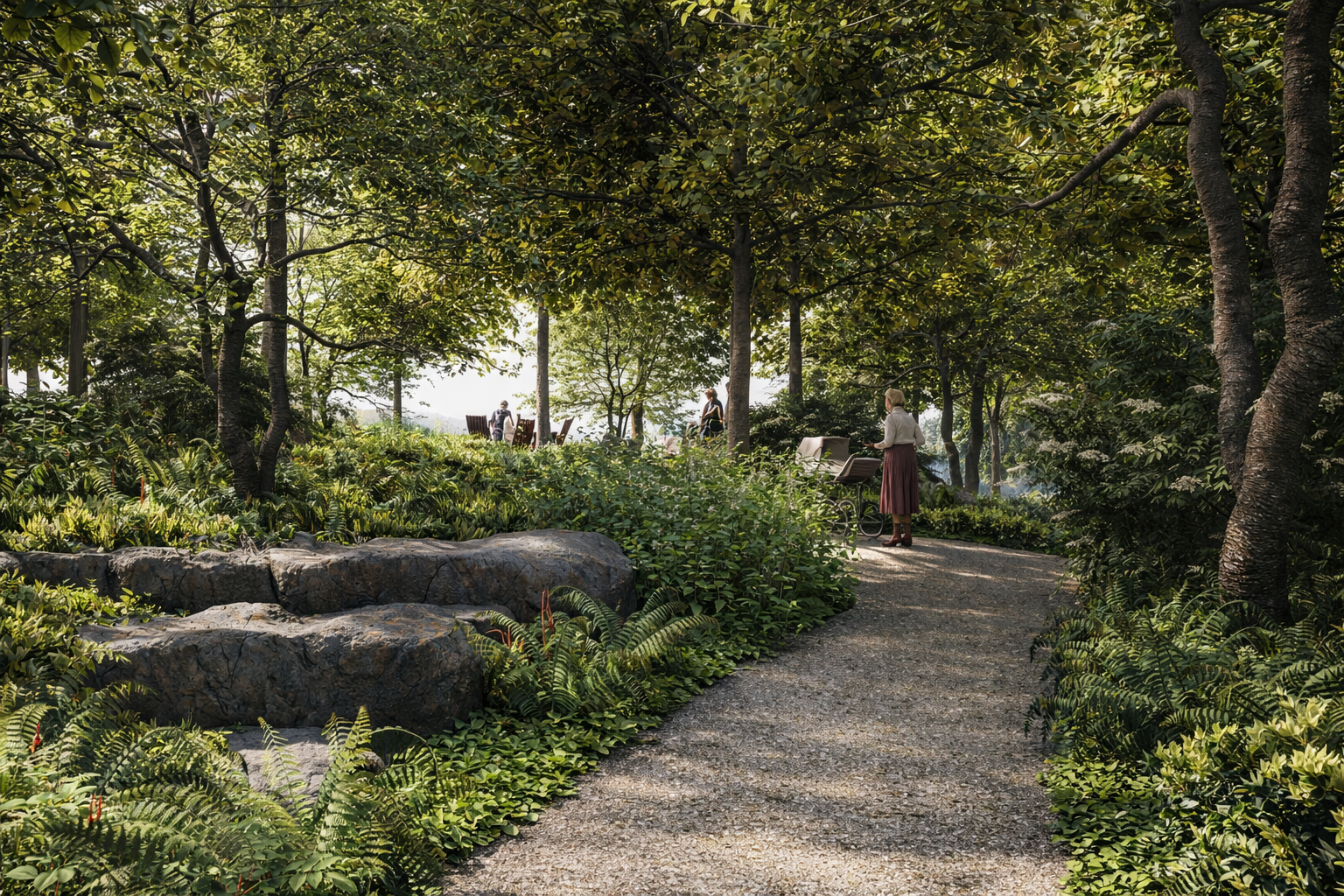
Memorial Garden for Brice Marden, Athens, NY. Developed with Raymond Jungles Inc. in collaboration with Patrick Cullina
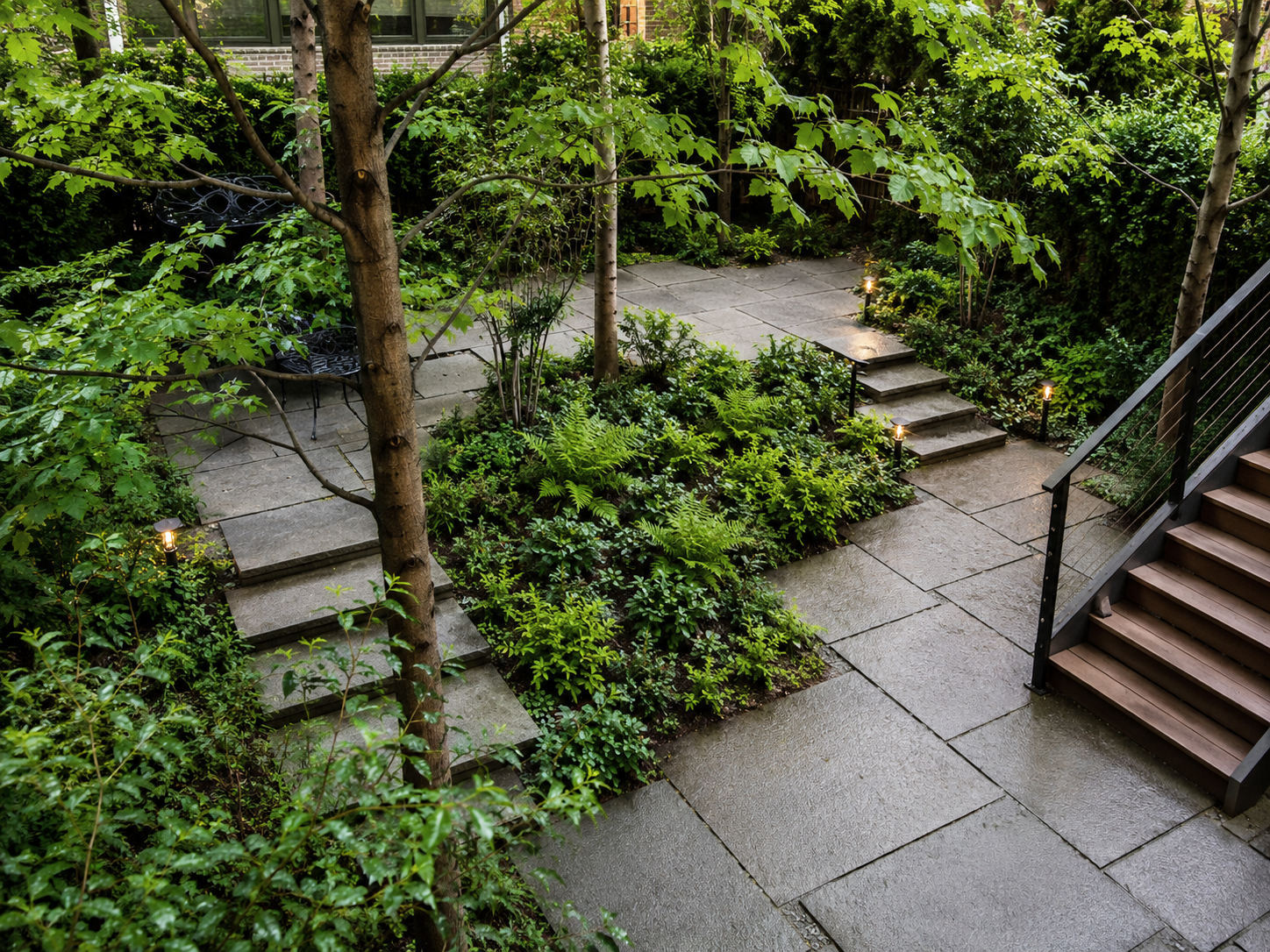
22nd Street Garden, New York, NY. Developed with Counts Studio

Parkview Promenade, Florida International University, Miami, FL. Developed with Perkins & Will. ASLA Florida Award Winner
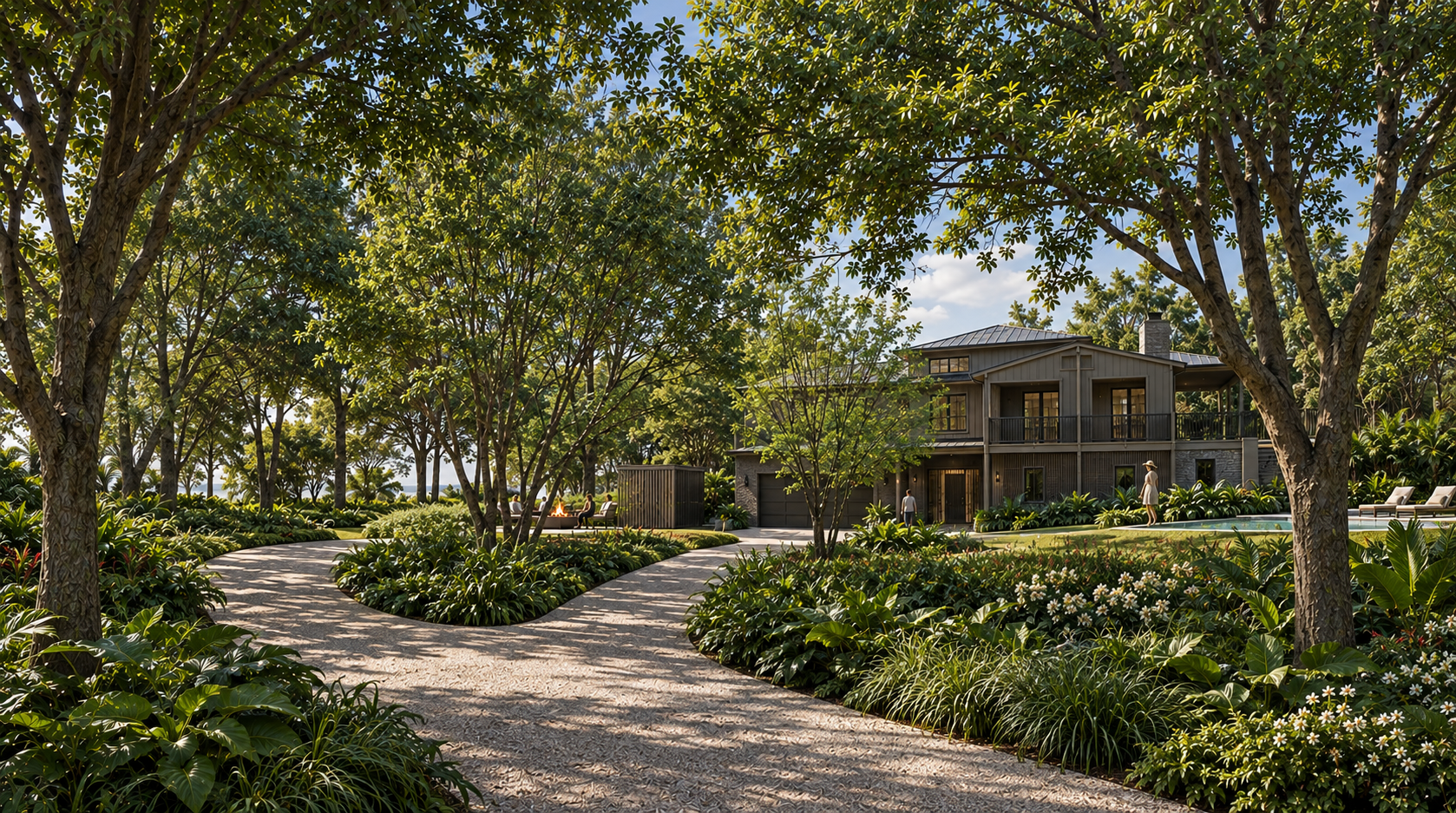
Palo Alto Garden, Palo Alto, CA. Developed with Counts Studio in collaboration with Gidding Design
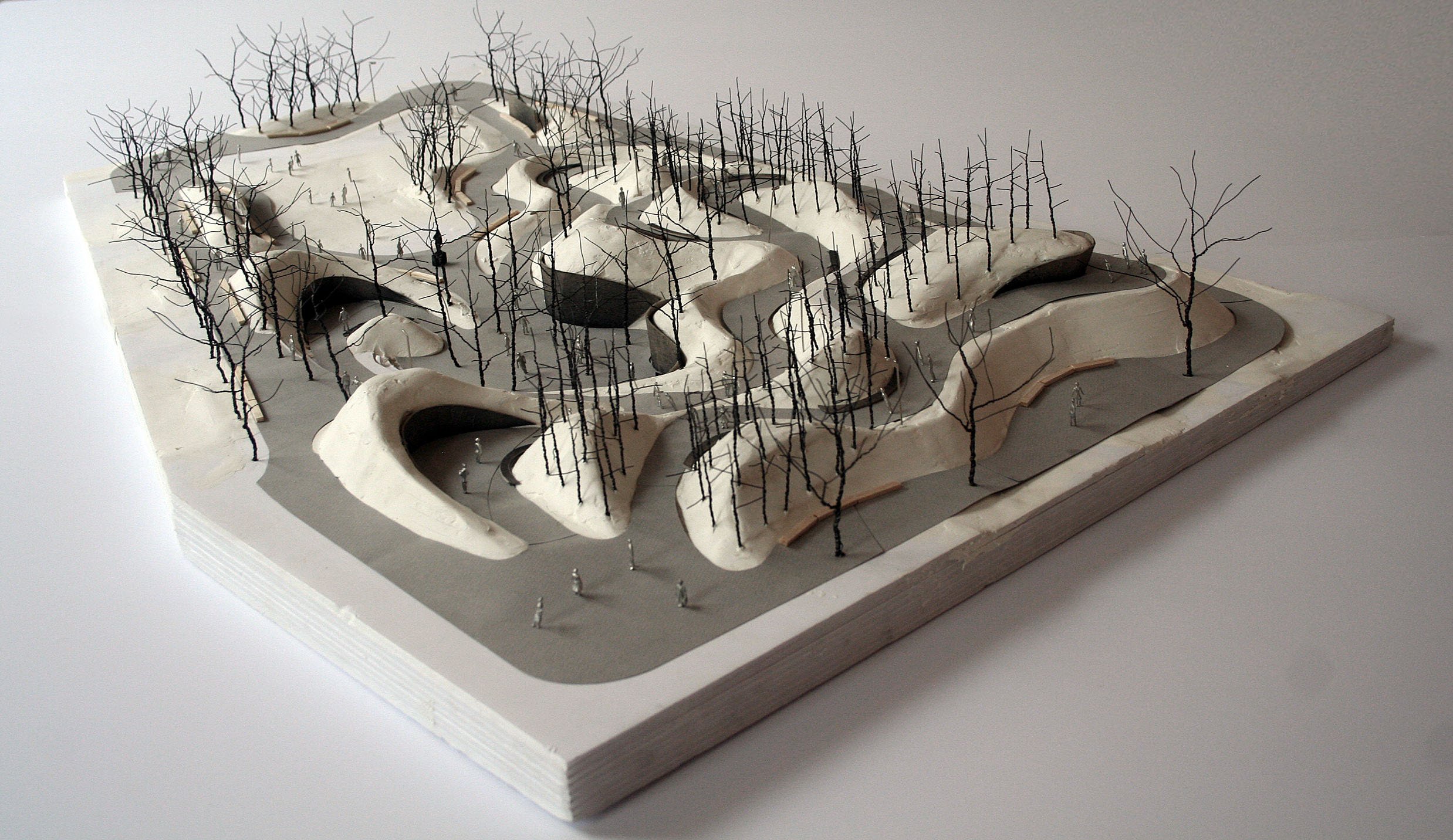
World War 1 National Memorial, Washington, DC. Developed with Counts Studio in Collaboration with Silman and Marvel Architects. International Competition Finalist
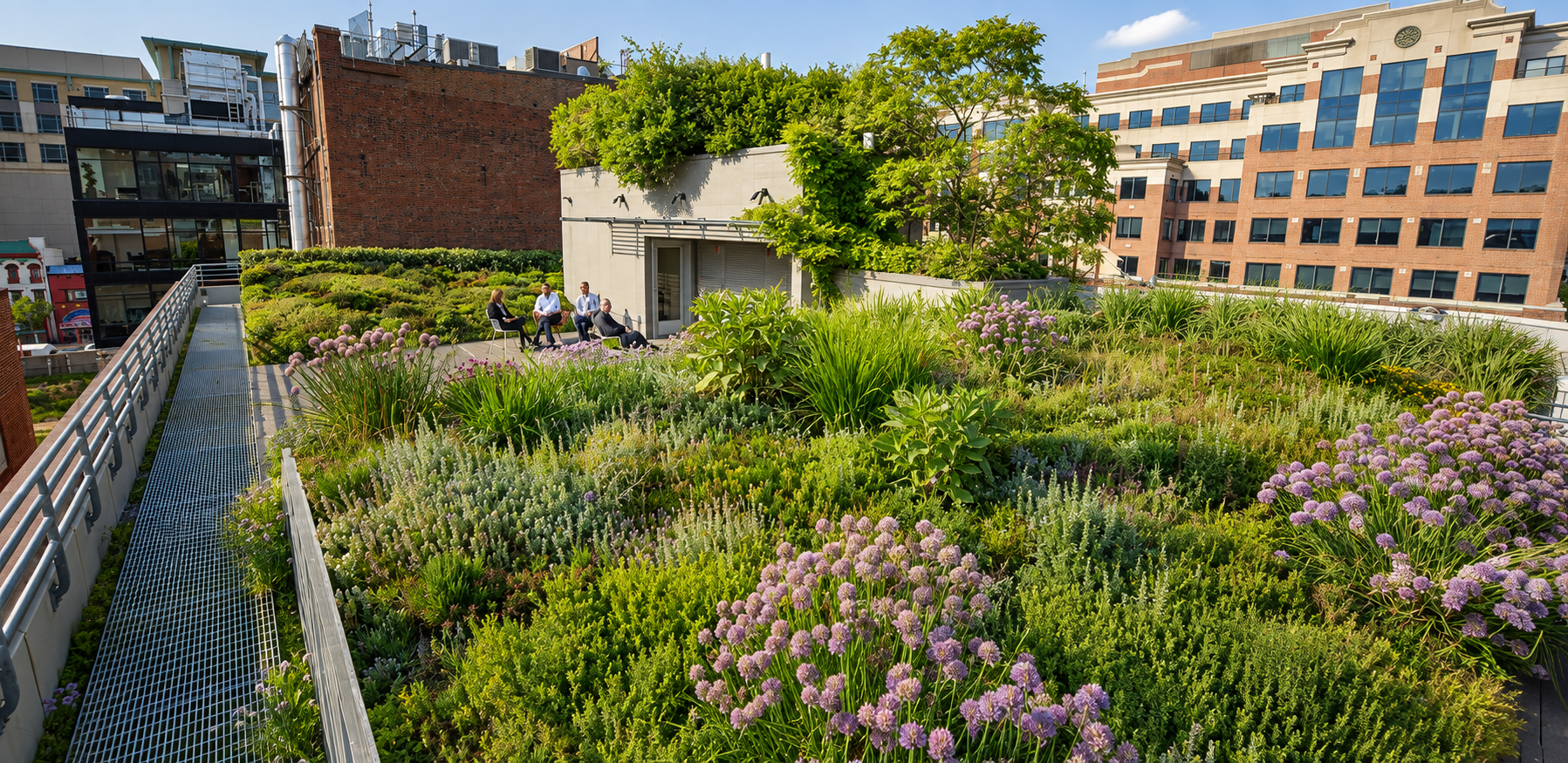
ASLA Headquarters Building Green Roof, Washington, DC. Developed with Michael Van Valkenburgh Associates. NYASLA Award Winner
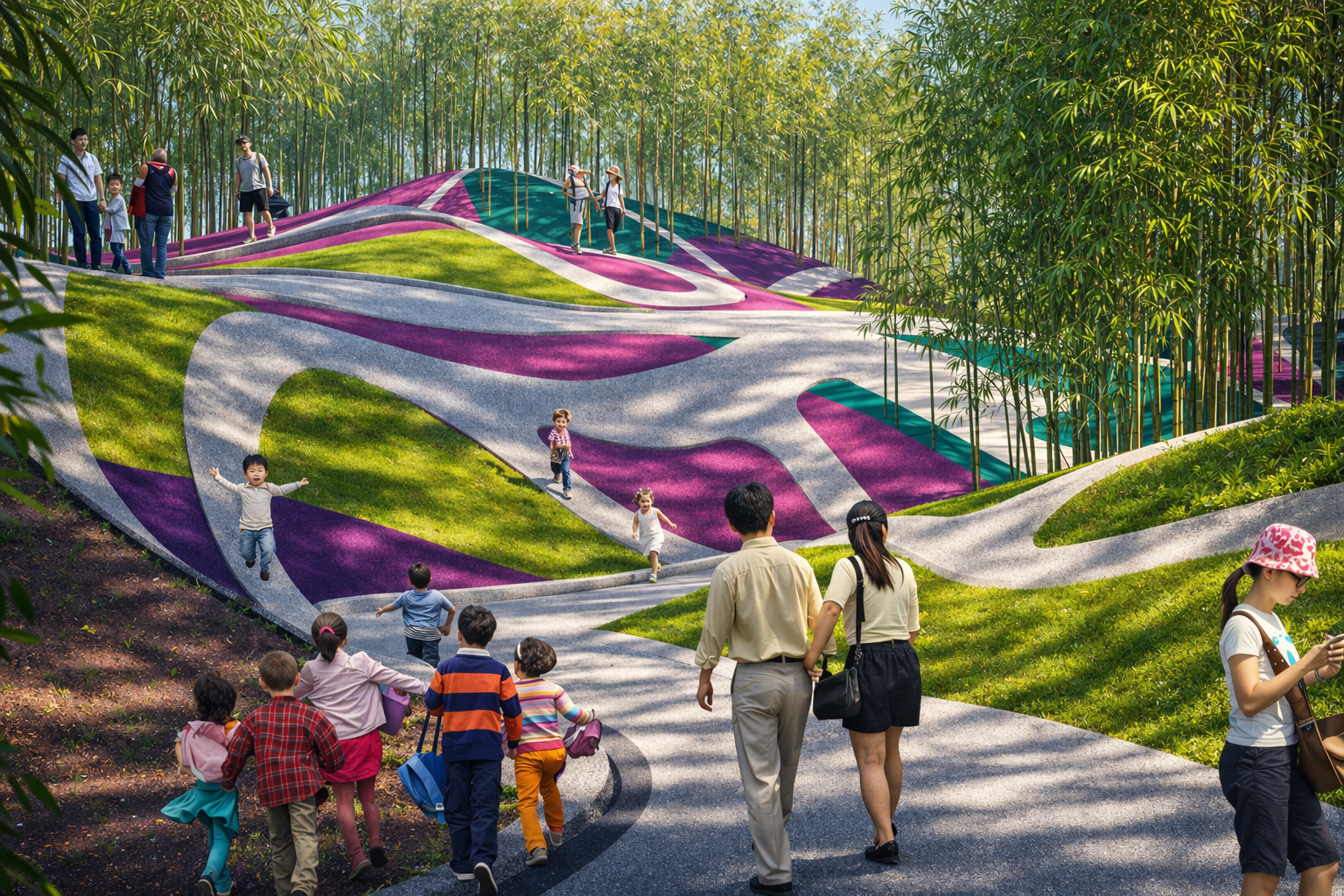
Happy Valley Garden, Hubei, China. Developed with Counts Studio. International Competition Winner
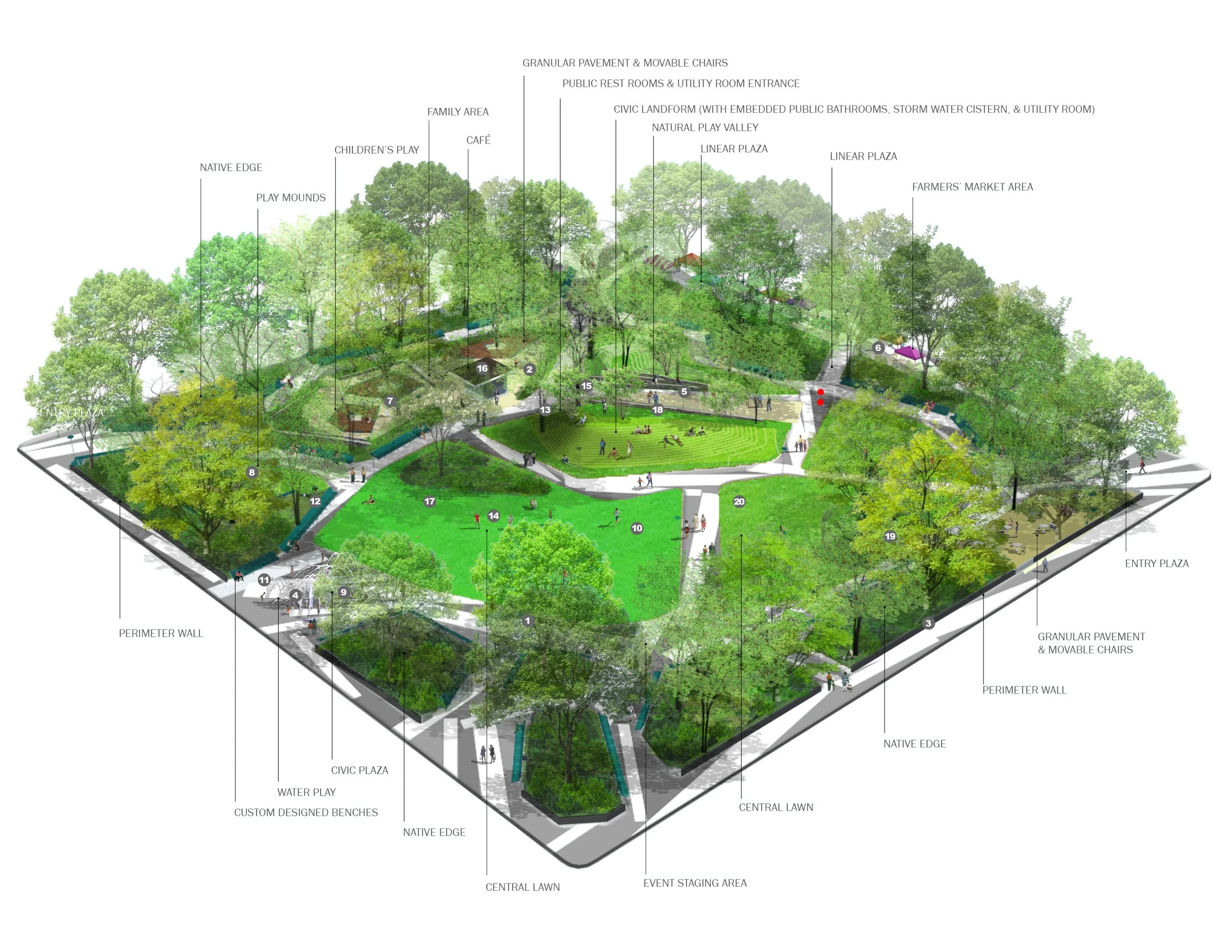
Moore Square Master Plan, Raleigh, NC. Developed with Counts Studio. National Competition Winner / National ASLA Award Winner
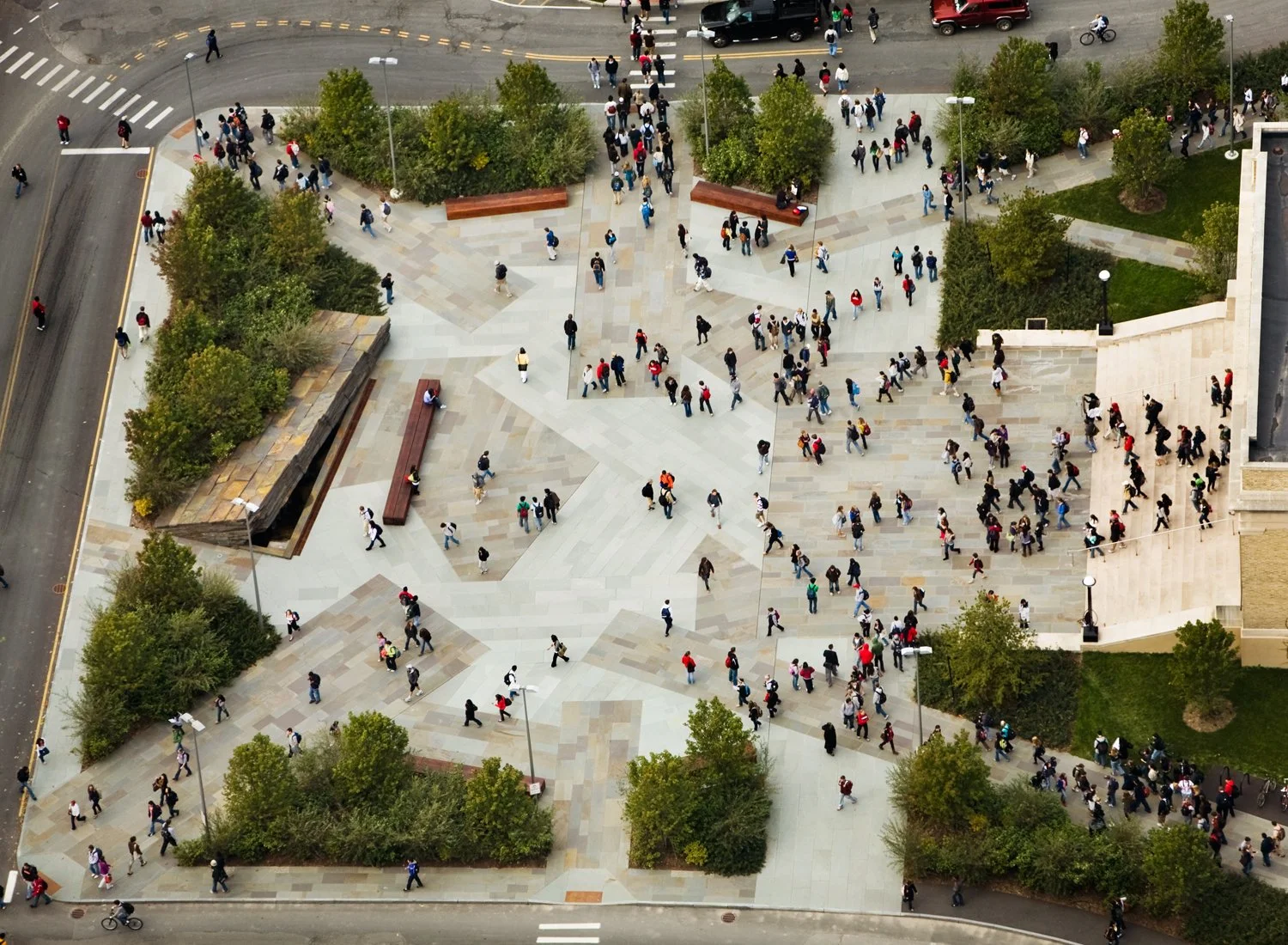
Bailey Plaza, Cornell University, Ithaca, NY. Developed with Michael Van Valkenburgh Associates. Building Stone Institute Tucker Design Award Winner.
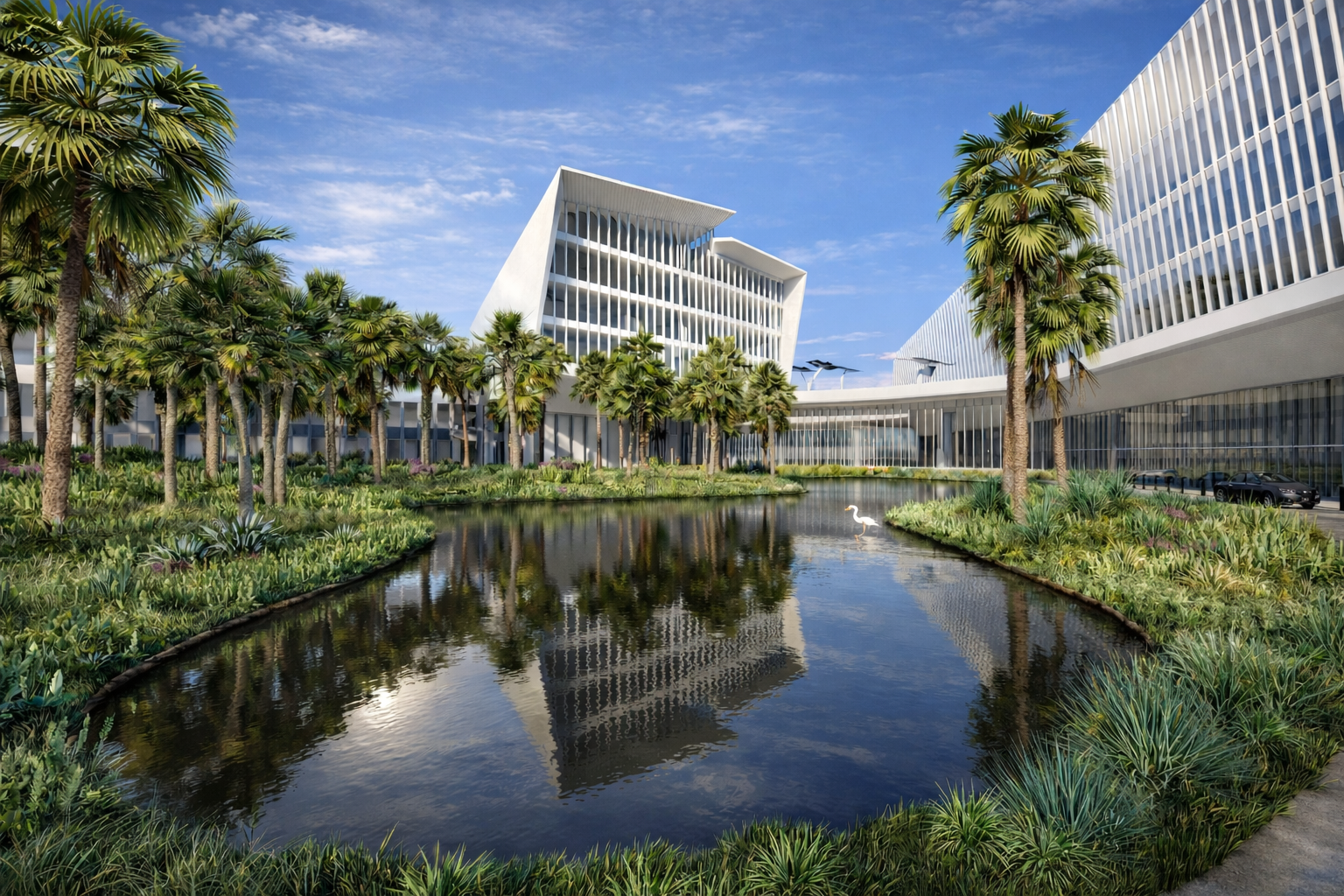
FPL Headquarters Campus, Palm Beach County, FL. Developed with Perkins & Will
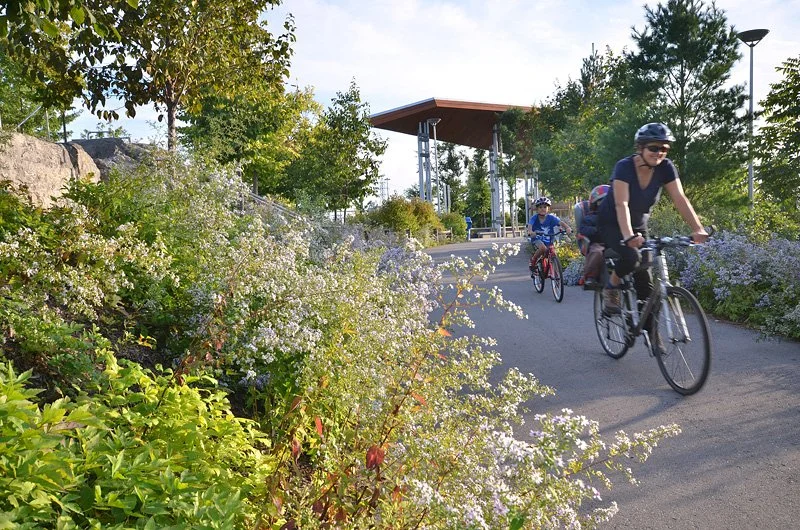
Corktown Common, Toronto, ON. Developed with Michael Van Valkenburgh Associates. National ASLA Award Winner
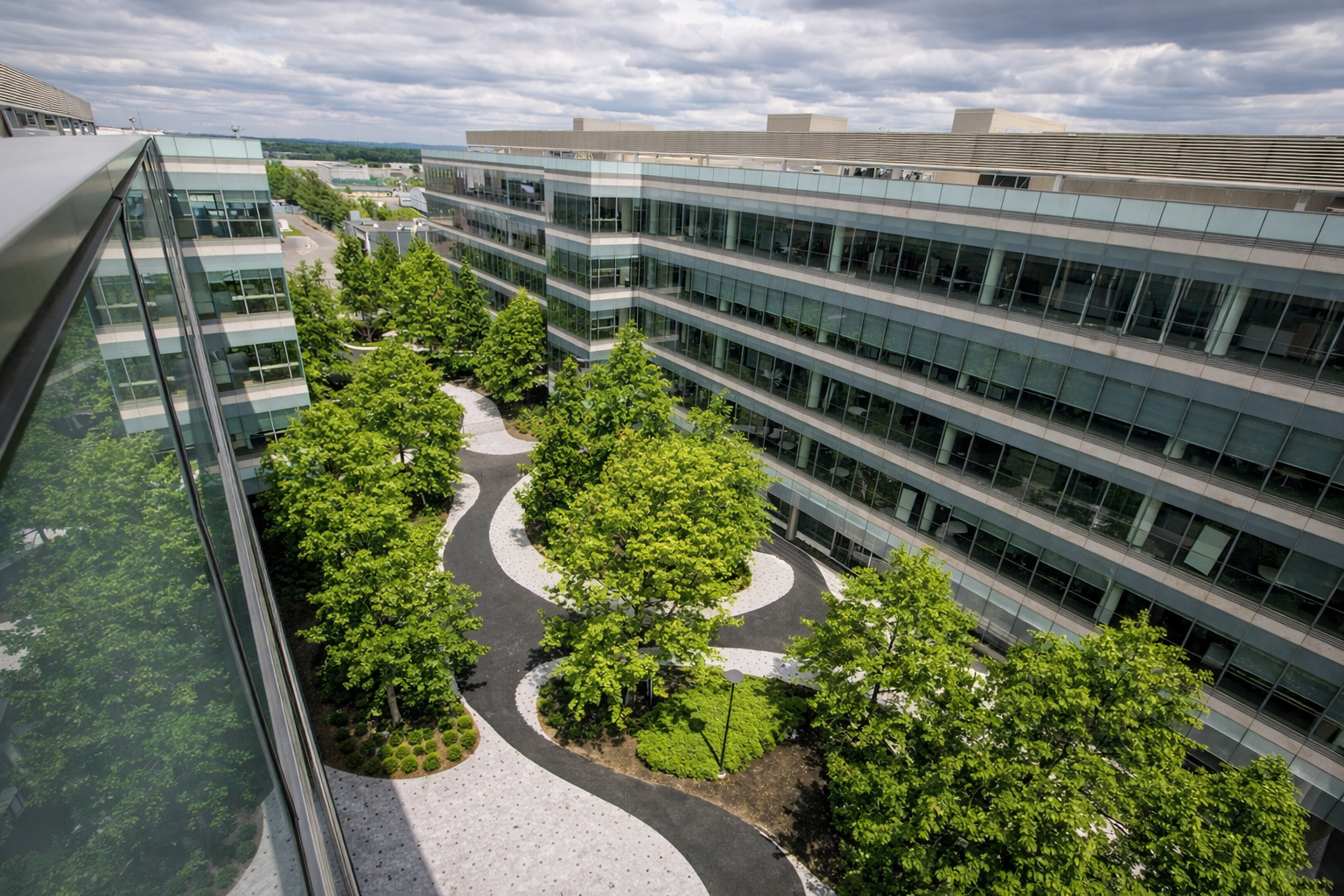
East Village Courtyard, Novartis North American Headquarters, East Hanover, NJ. Developed with Michael Van Valkenburgh Associates
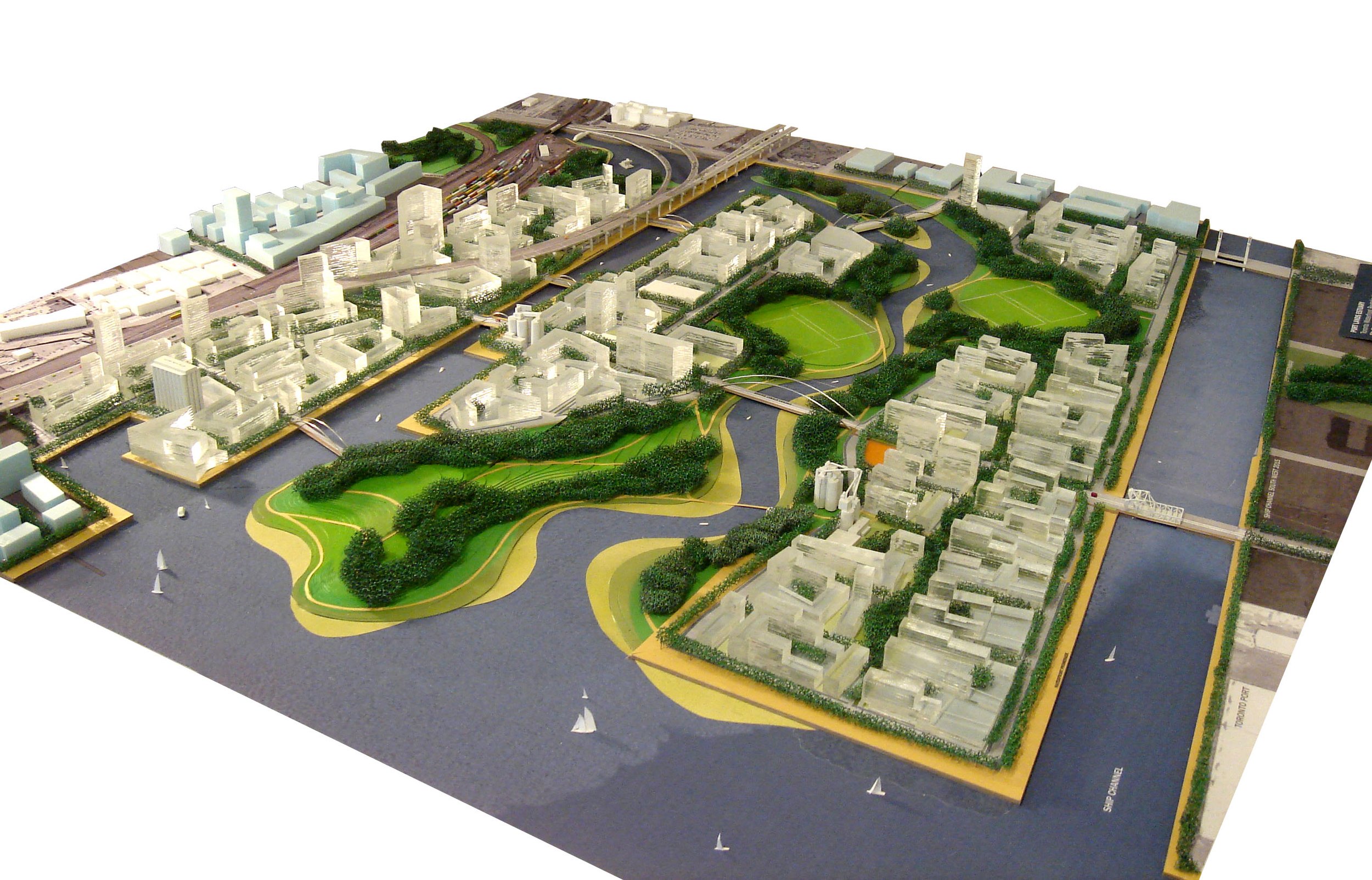
Lower Don Lands Portland Estuary, Toronto, ON. Developed with Michael Van Valkenburgh Associates. National ASLA Award Winner