22nd Street Garden

New York, New York

Developed with Counts Studio, Brooklyn, NY

A Project Story

The 22nd Street Garden in Chelsea began through a personal connection, leading to a collaboration with a client deeply engaged in both finance and the cultural landscape of New York, with ties to Michael Van Valkenburgh Associates and the Brooklyn Botanic Garden. The project was part of a larger renovation of one of the largest historic brownstones in the city, where the rear courtyard garden became an essential component of the overall transformation.

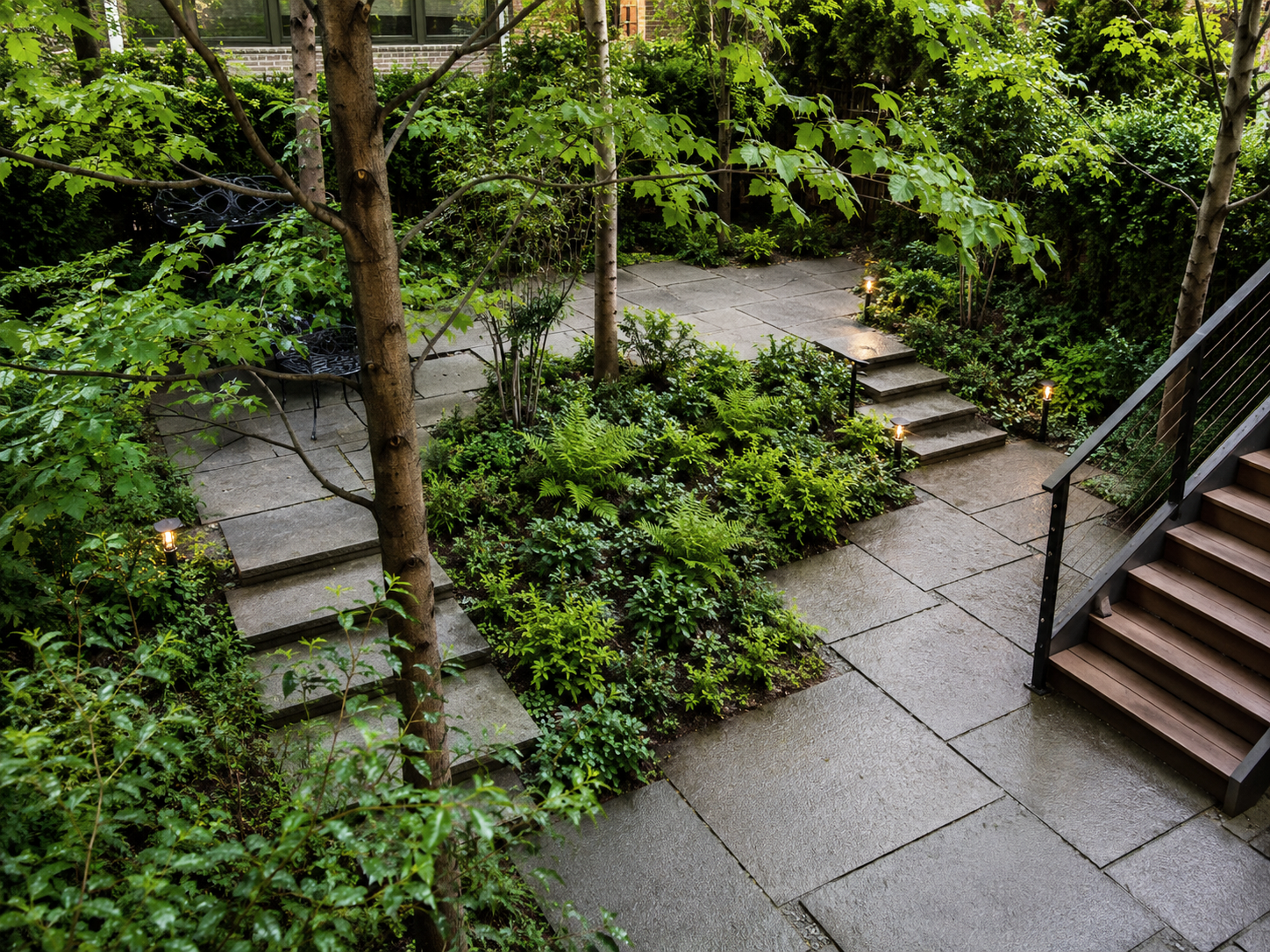
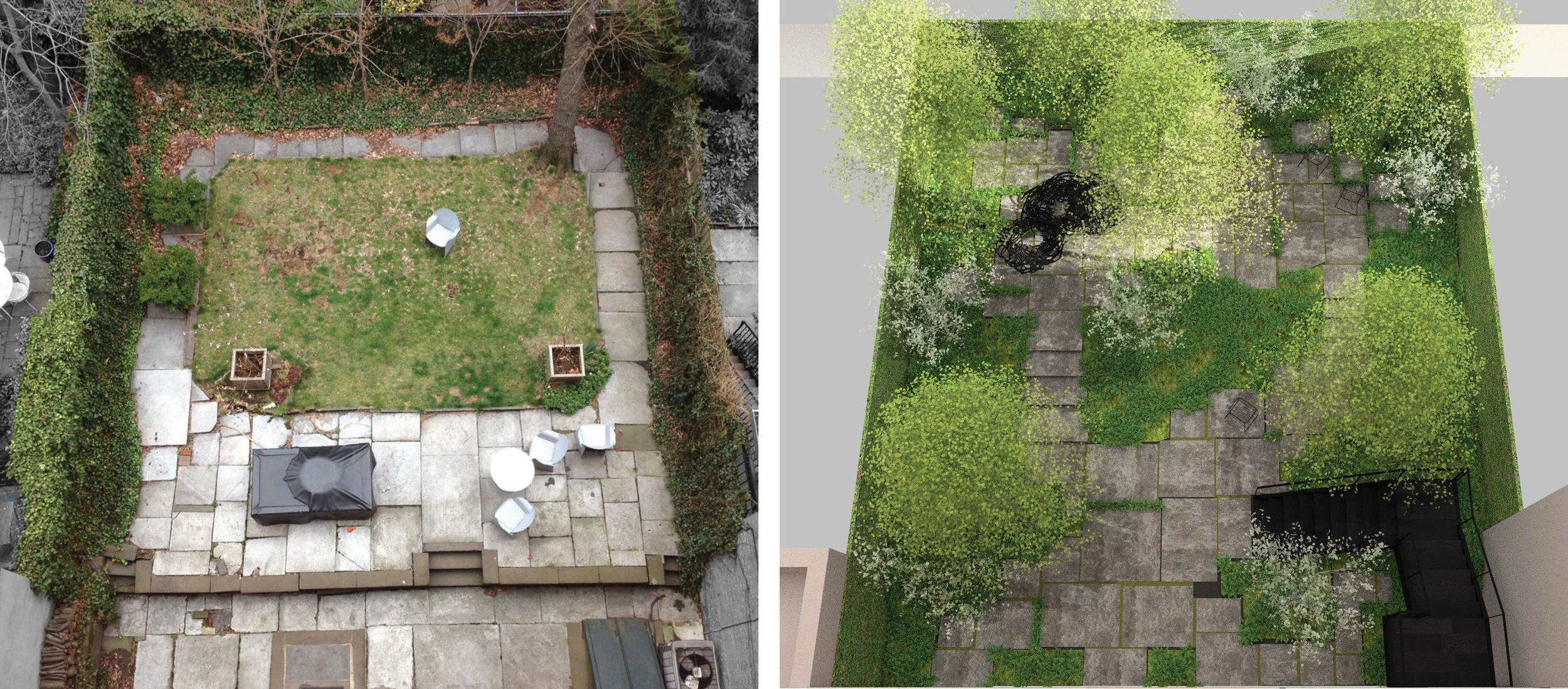
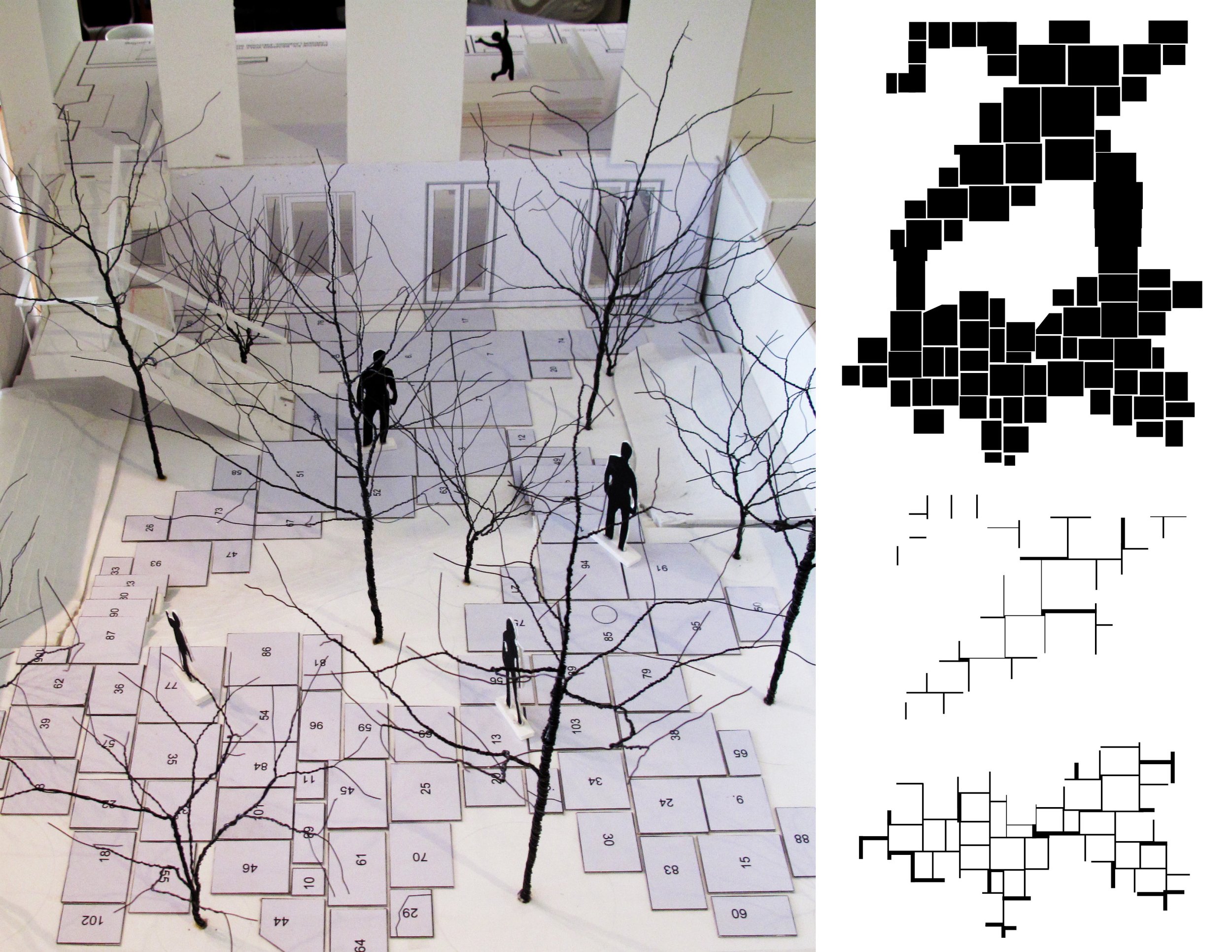
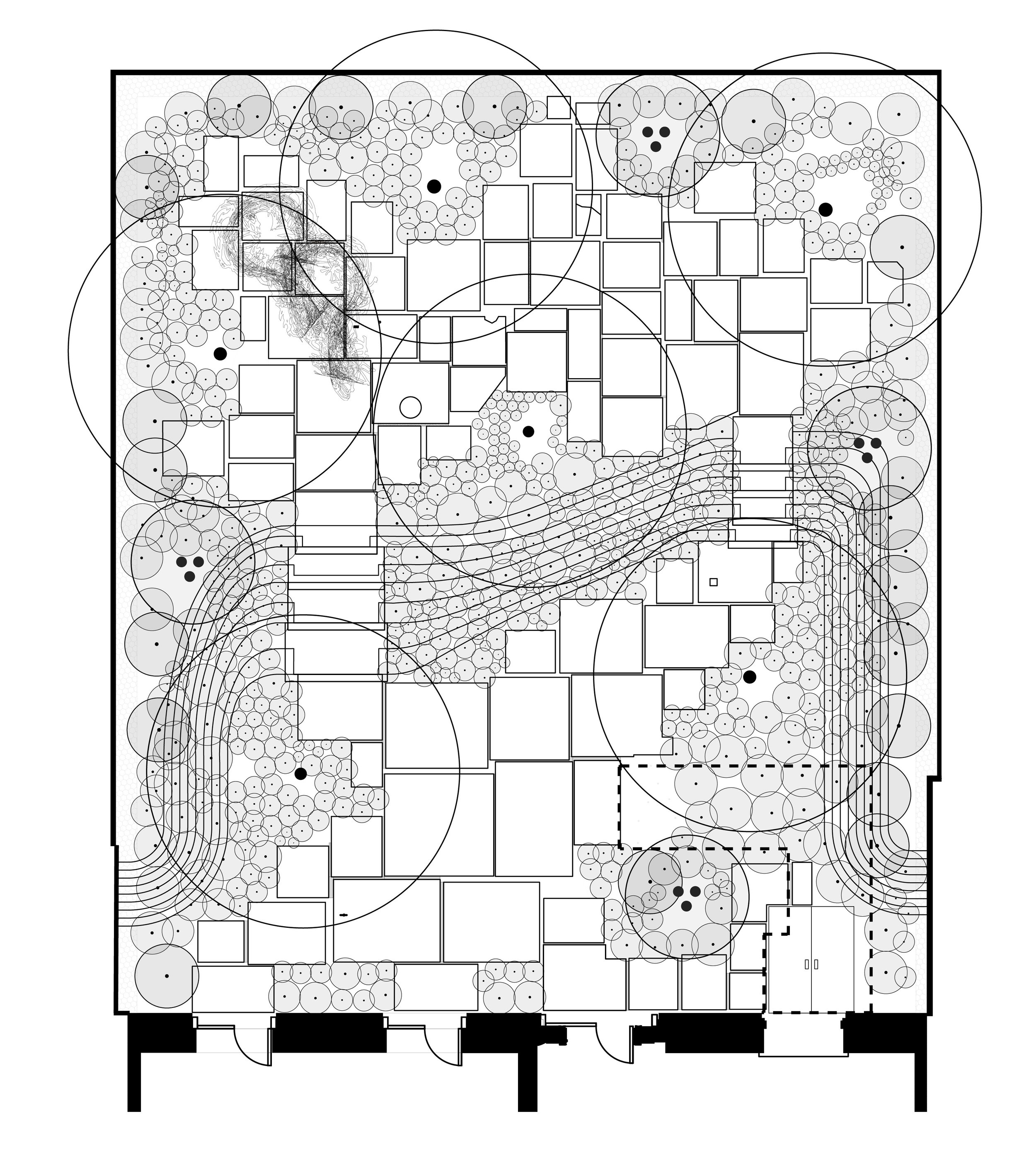
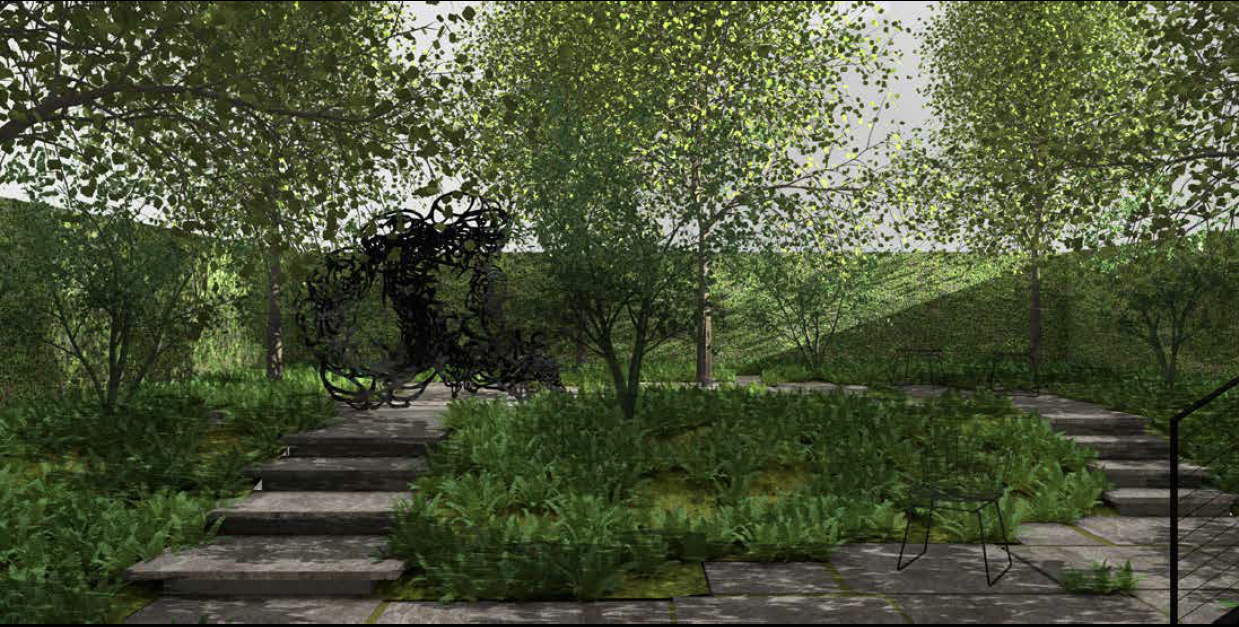
The site itself carried a layered history, dating back to the 19th century as a cutting garden. One of its most defining features was a collection of large, monolithic schist stones, which we carefully inventoried and measured with the intention of fully reusing them. The garden was regraded into two terraces, and the stone was reorganized into a shifting orthogonal composition with moss joints, allowing the edges of the space to subtly expand and contract and giving the ground plane a sense of movement and depth.

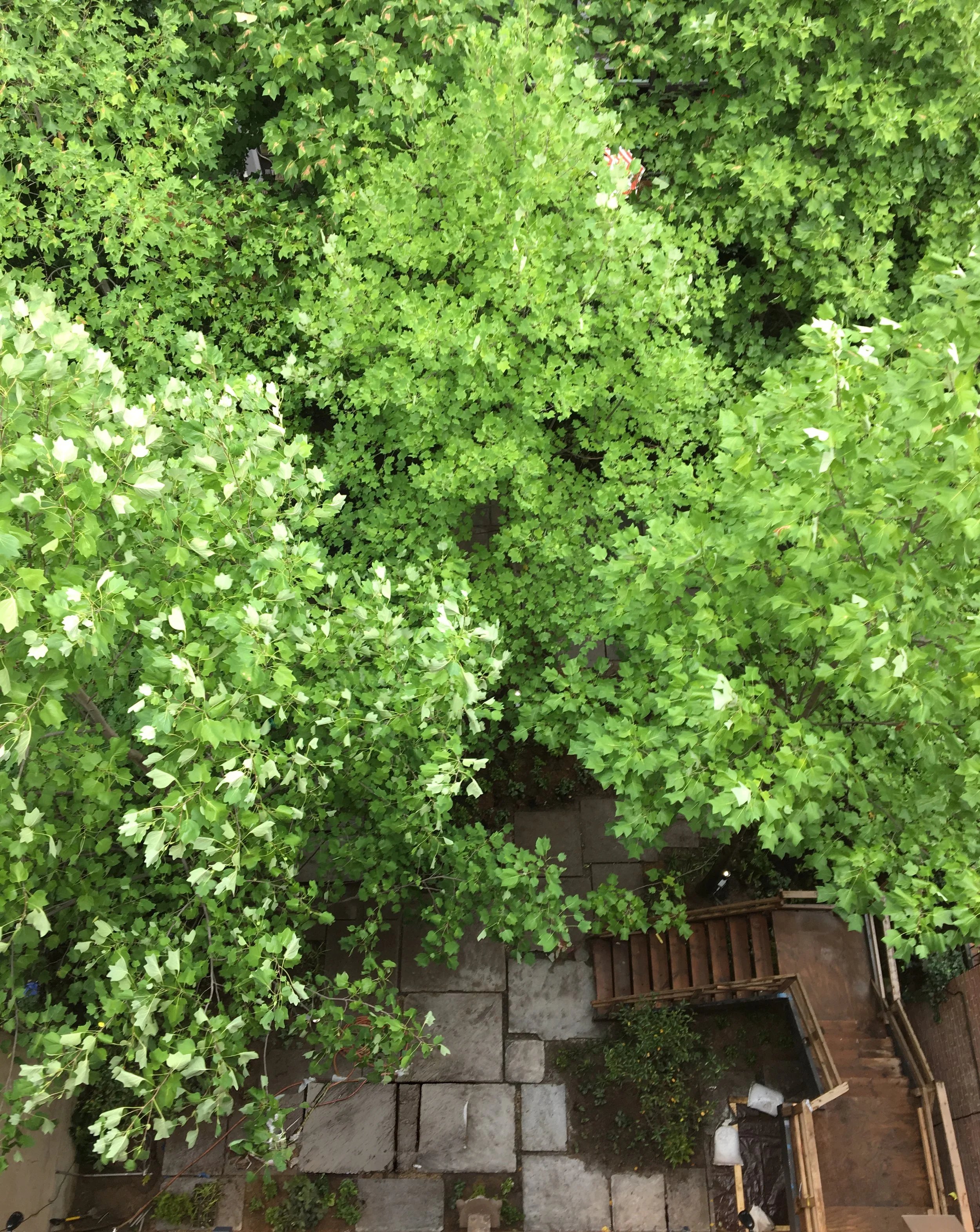
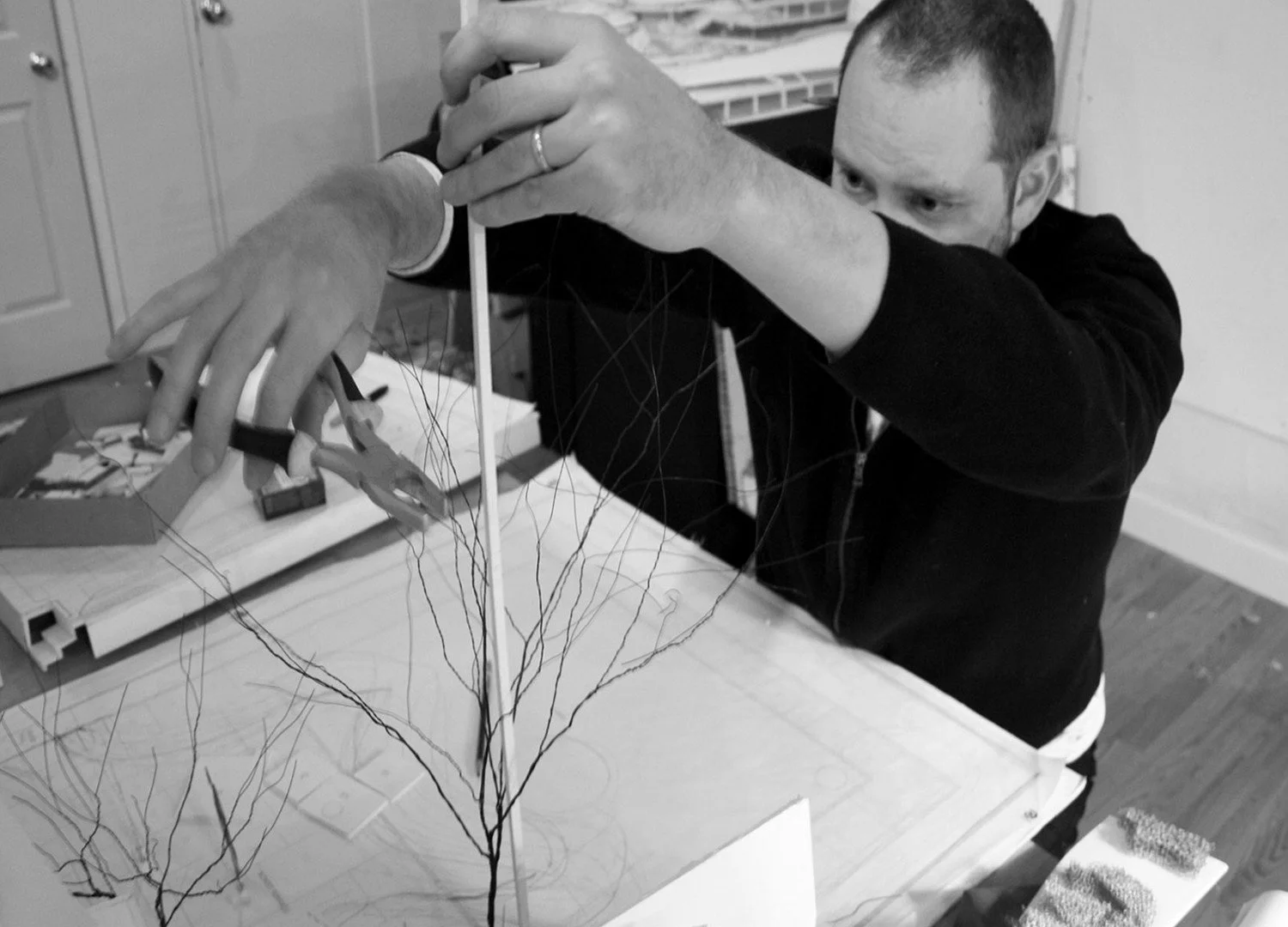
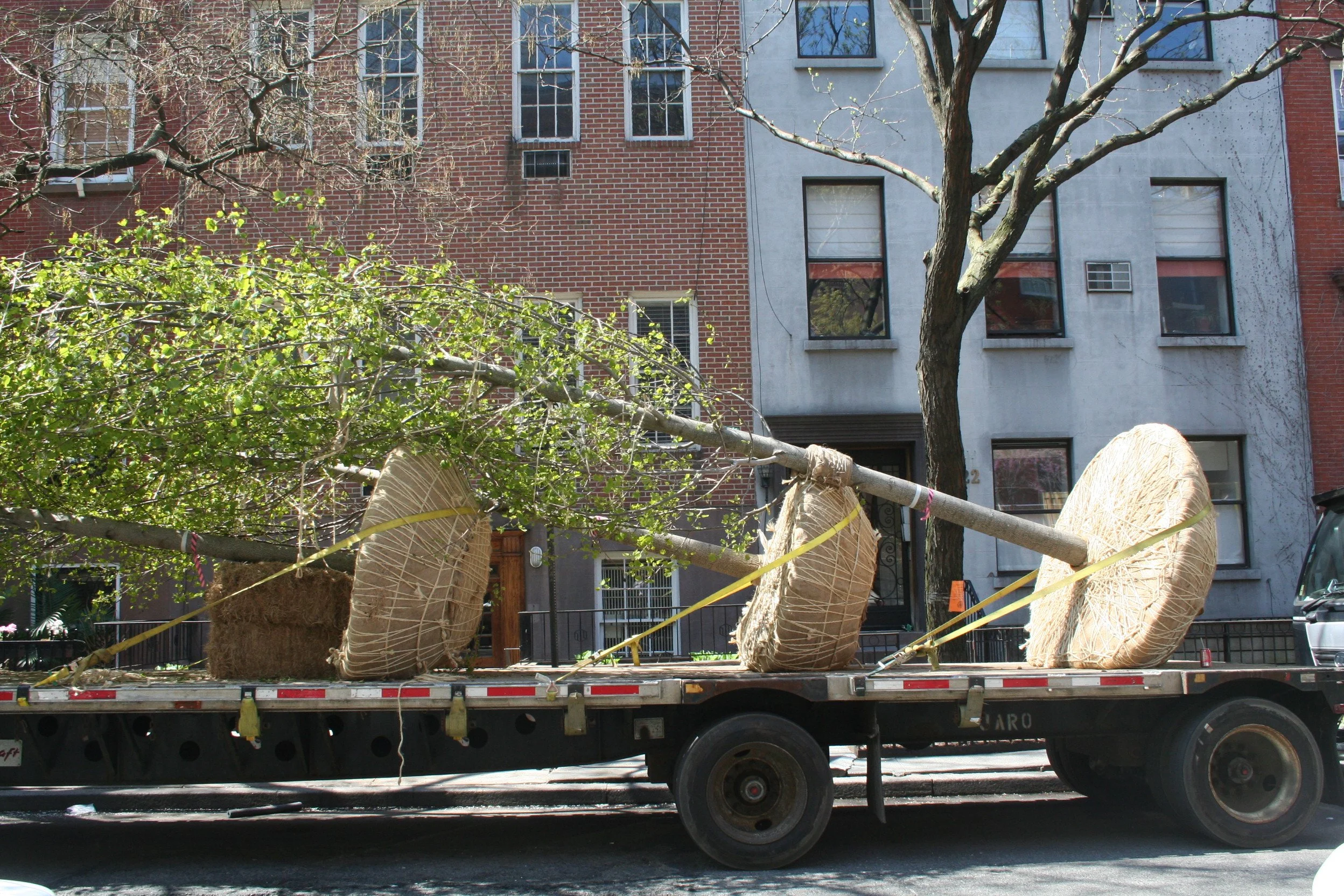
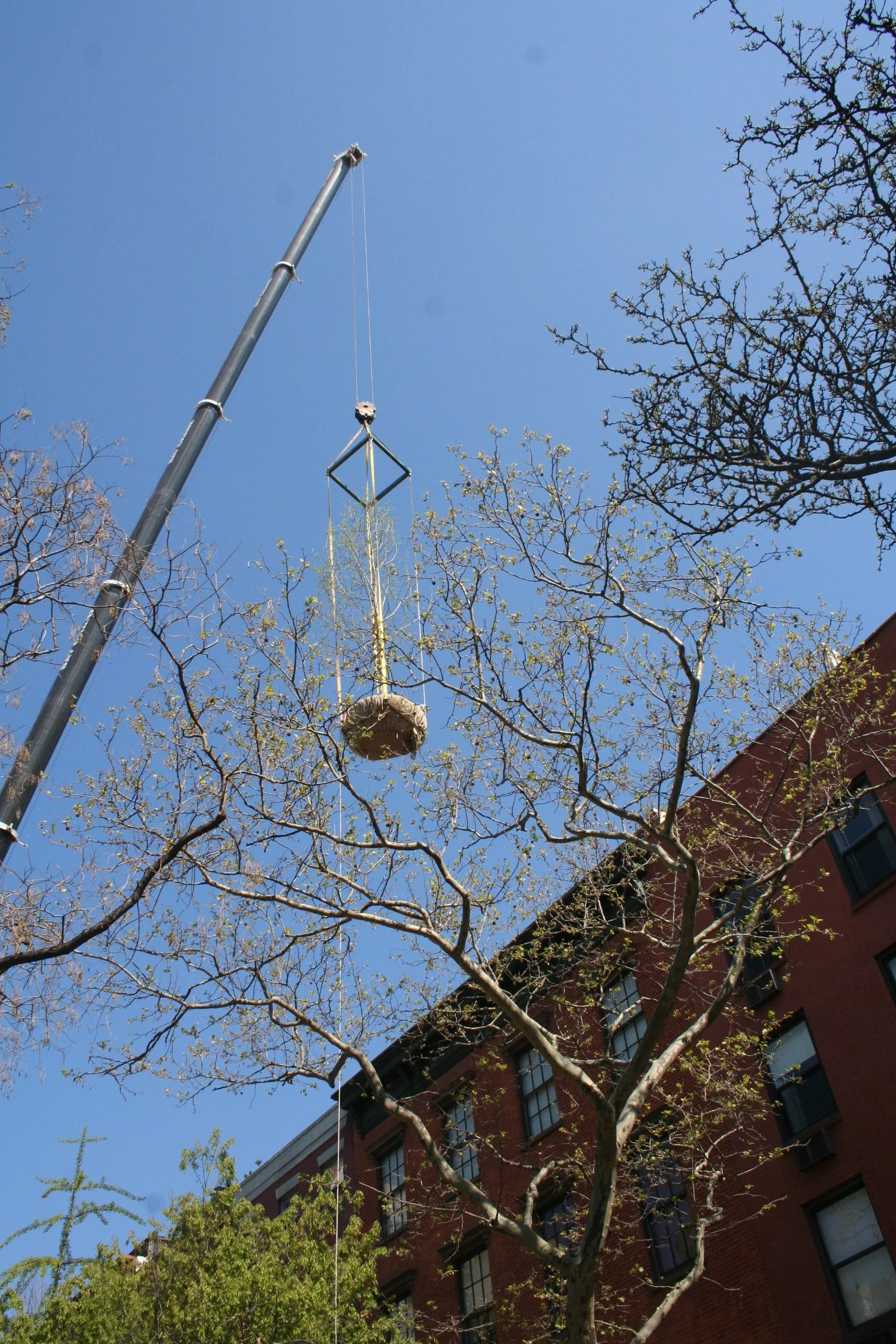
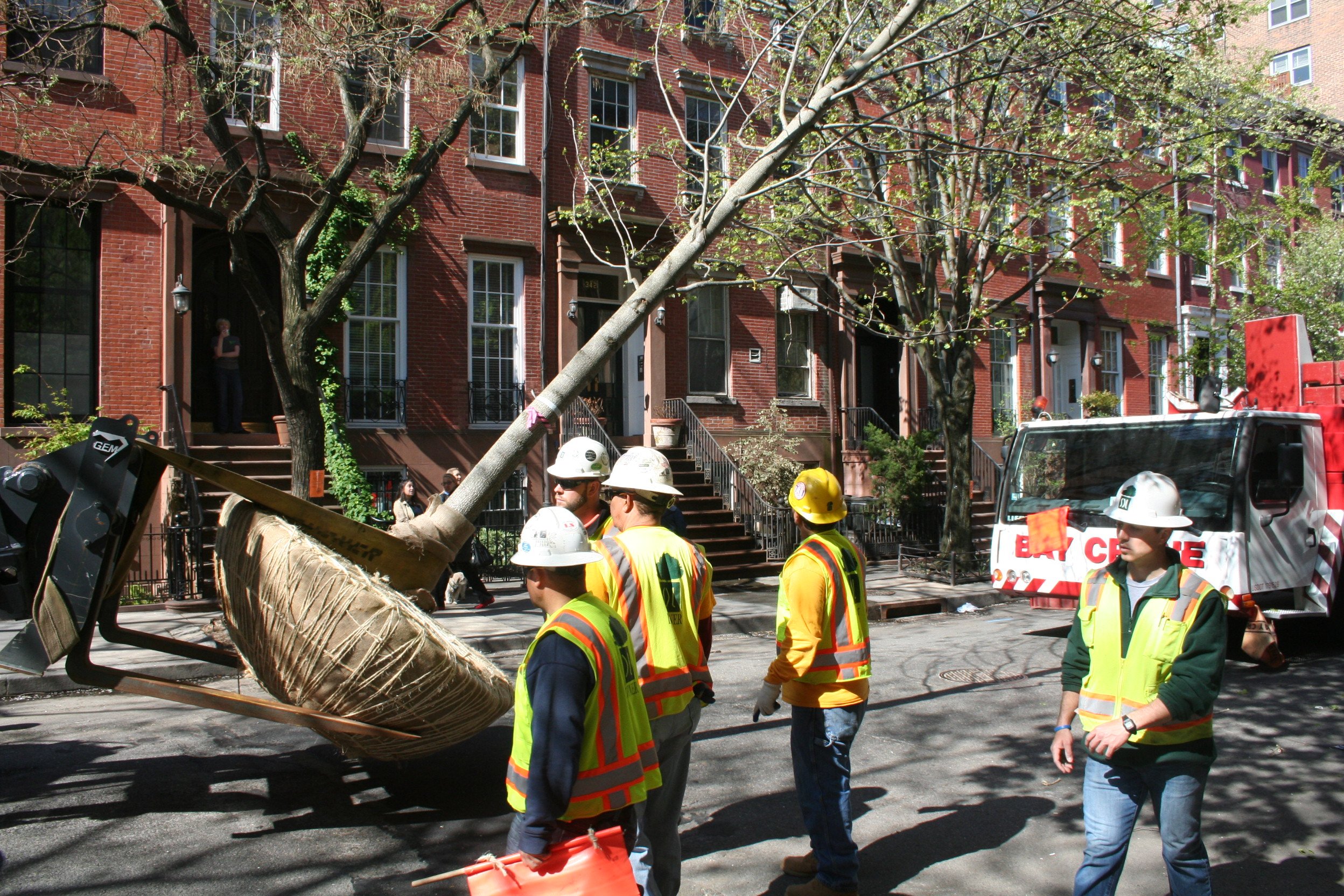
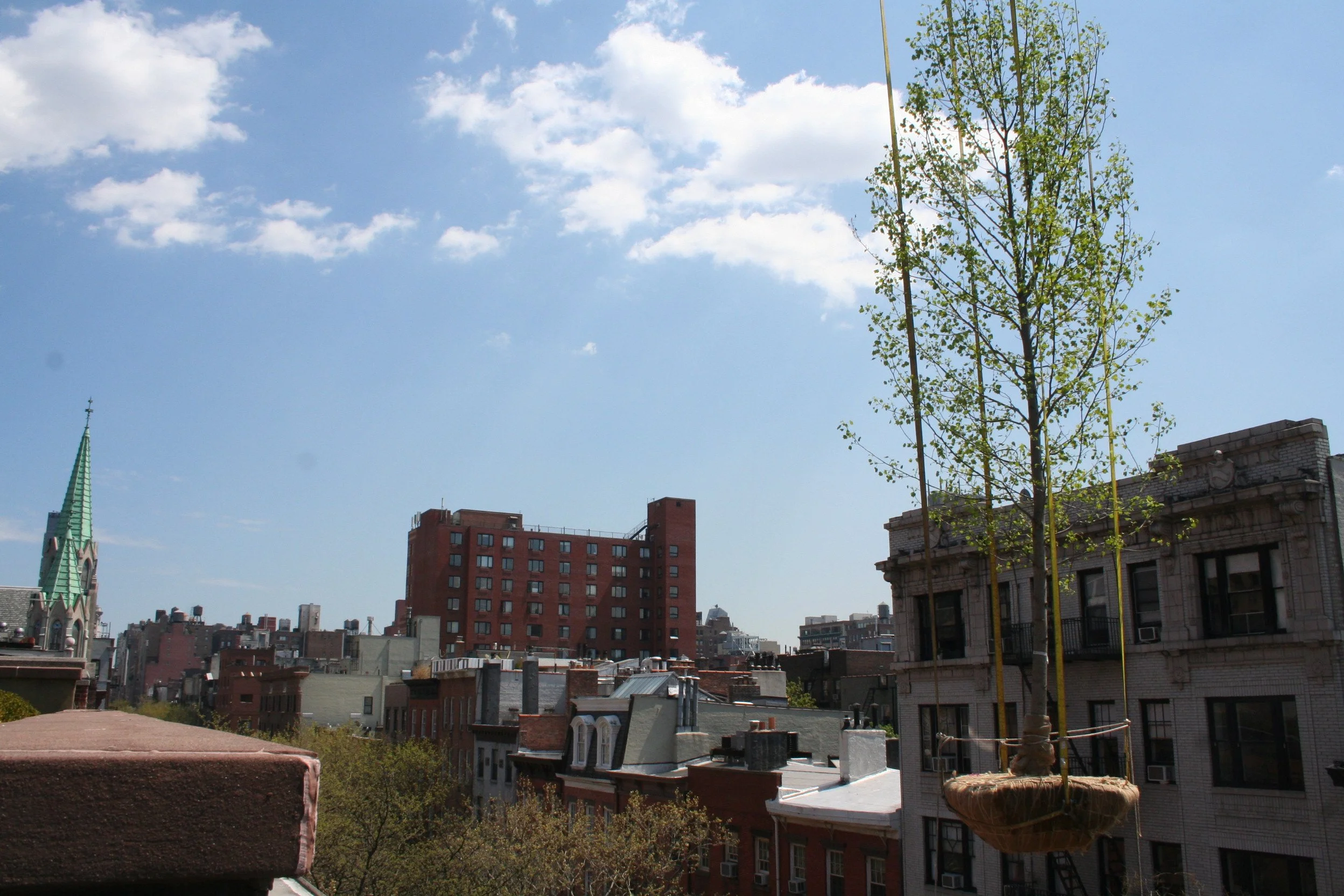
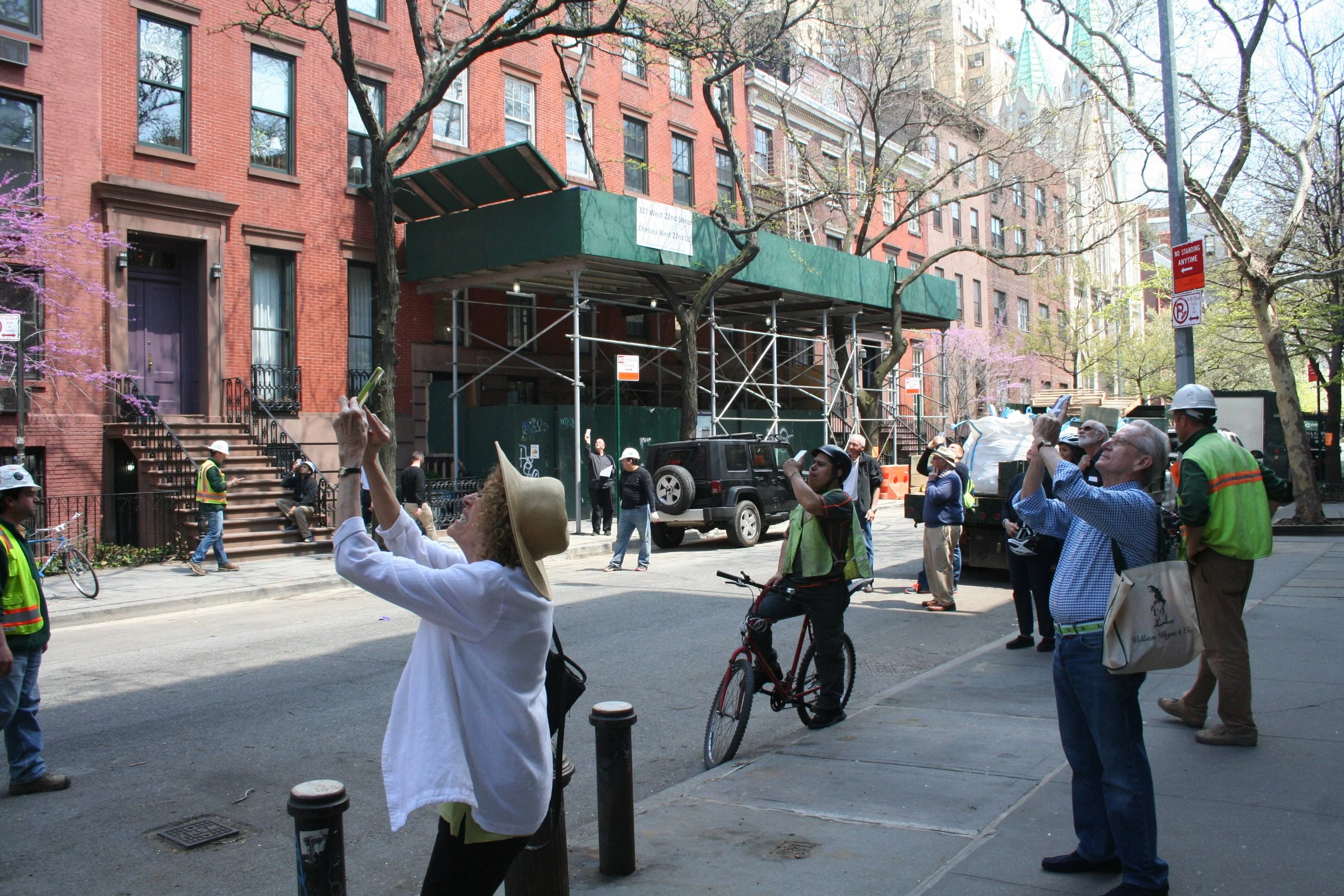
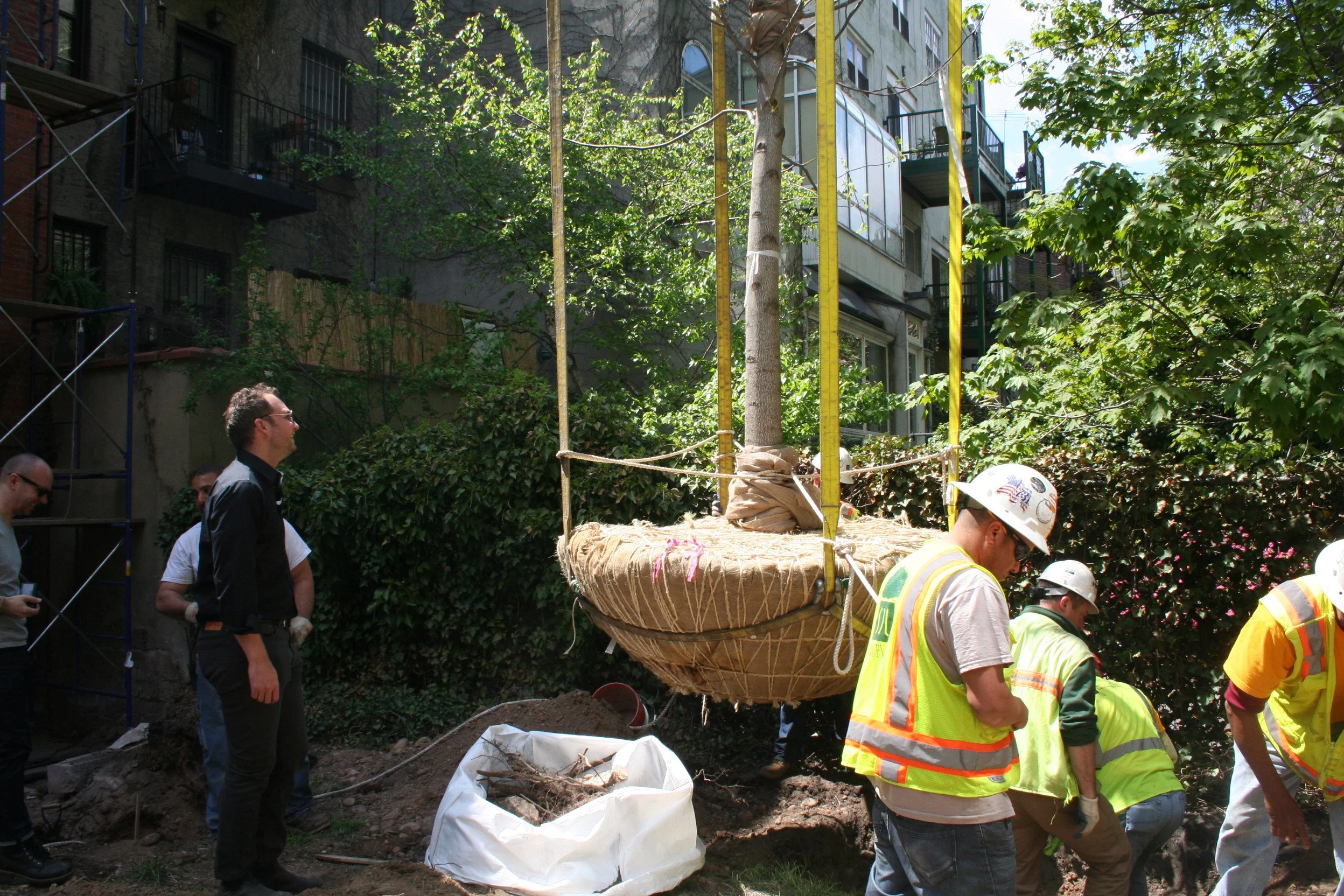
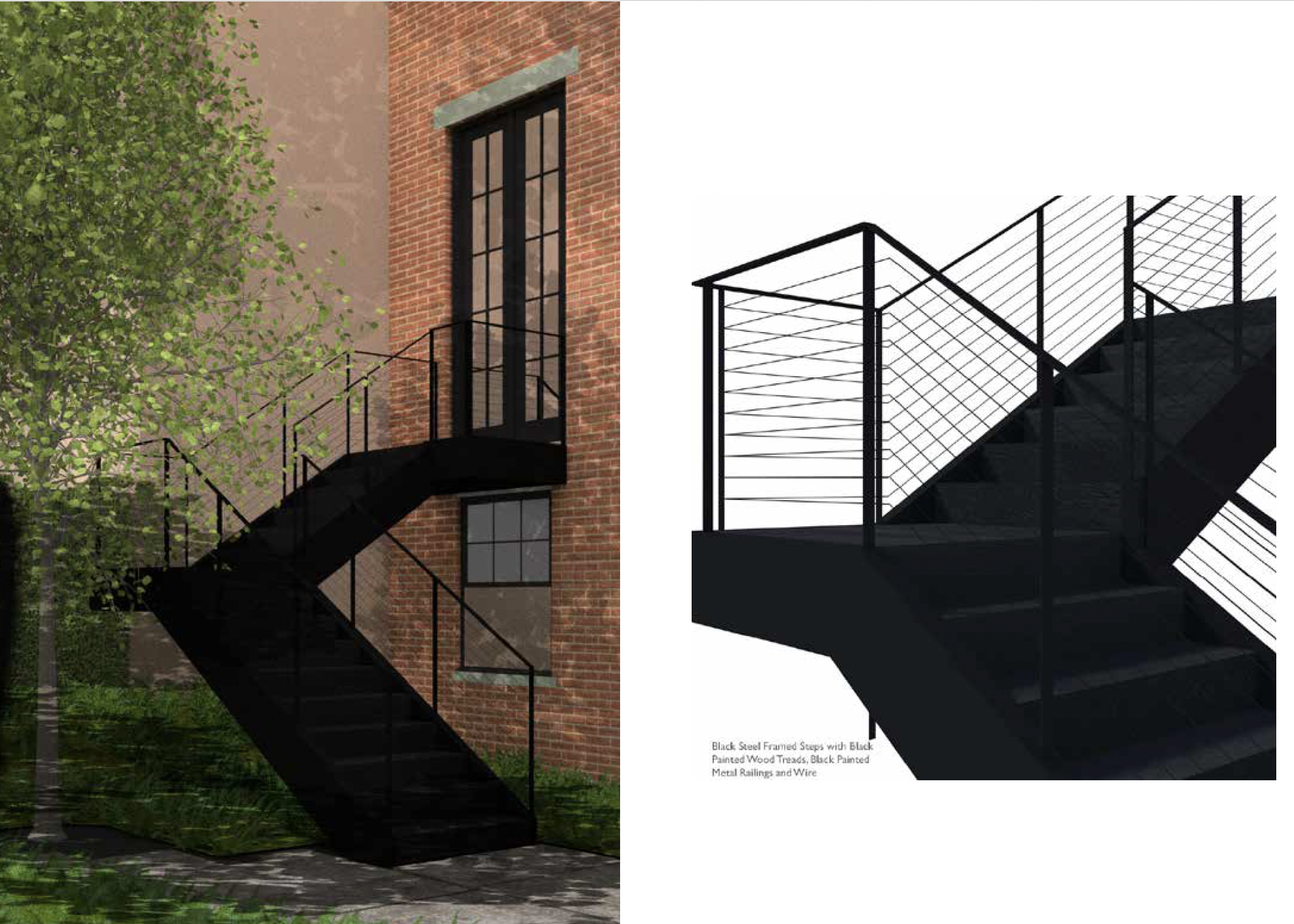
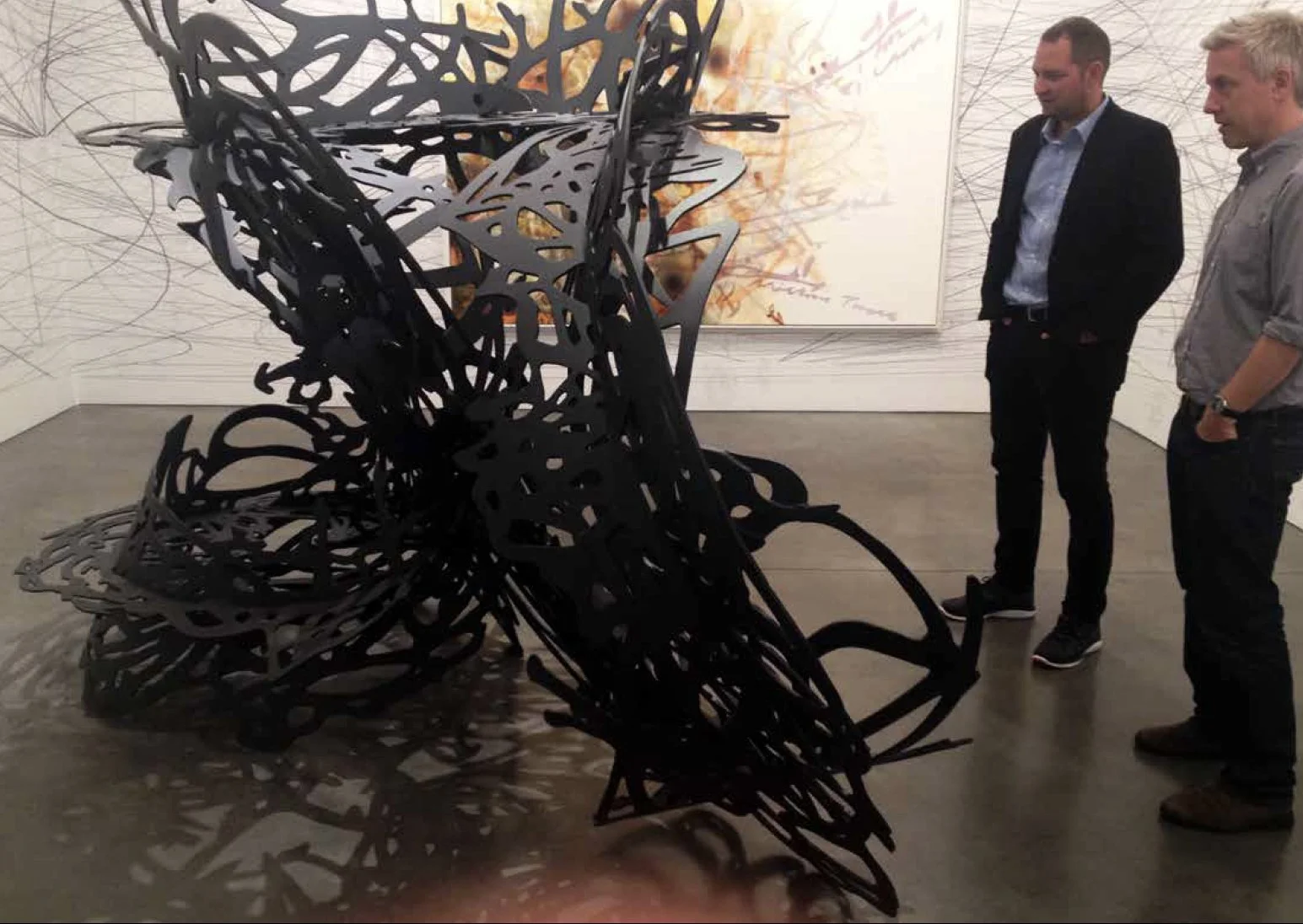
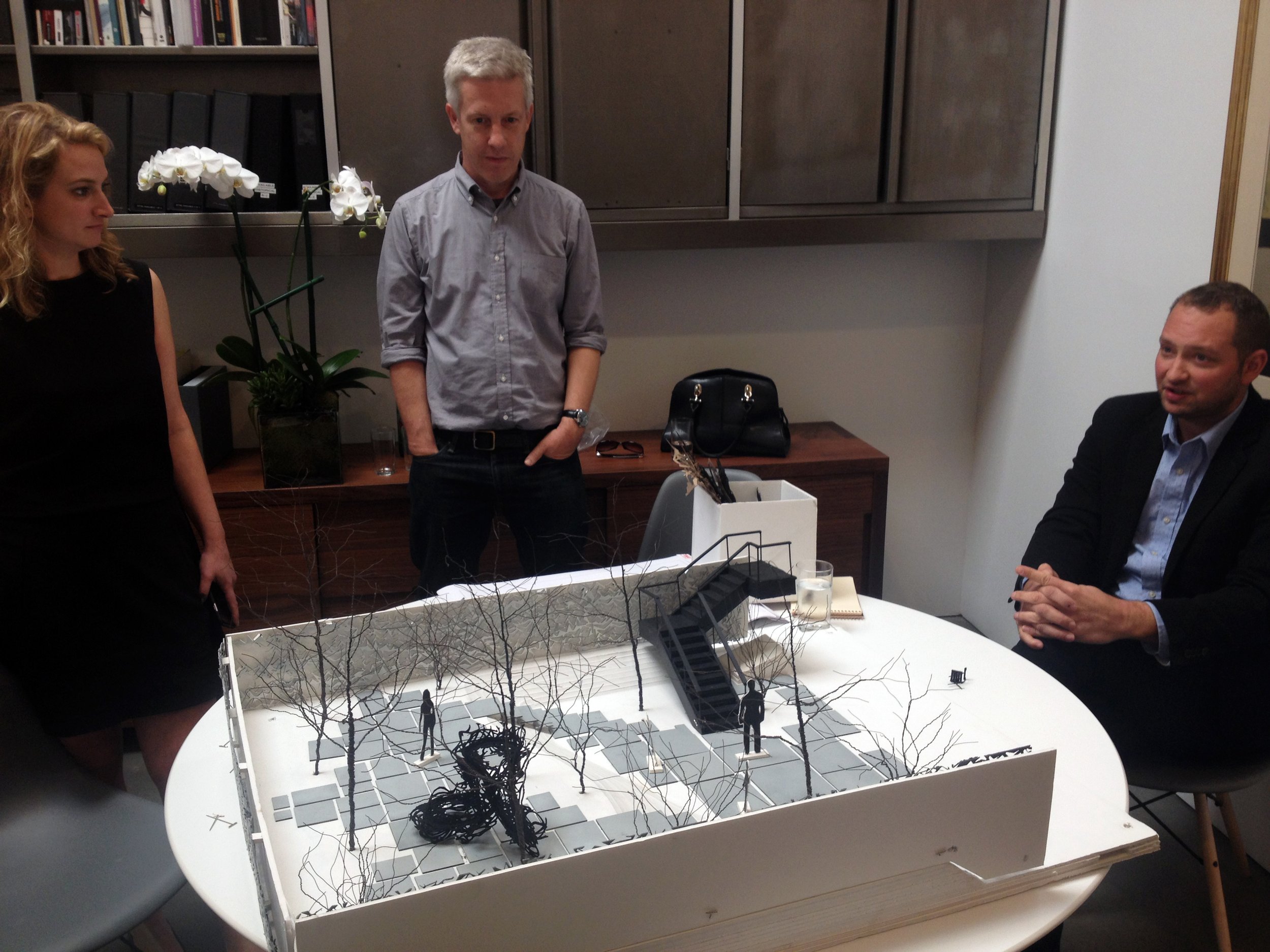
A primary challenge of the site was its exposure. Due to the surrounding brownstone configuration, the garden felt overlooked from all sides, discouraging use. To address this, we introduced six mature tulip poplars, each approximately 30 feet tall, craned over the building and into the courtyard. The installation became an event in itself, as the street was temporarily closed and neighbors gathered to watch, applauding as the trees were lifted into place. More importantly, the trees established an immediate canopy, creating a sense of enclosure and privacy while also transforming views from the interior and upper floors, where seasonal changes, particularly the vibrant fall color, became a defining feature. The project extended beyond the garden itself into a close collaboration with the architect. We advocated early on for the introduction of a large window in the main interior gathering space, framing the garden as a central visual focus. A cantilevered stair was also developed as part of the design, reinforcing the connection between architecture and landscape. In addition, we worked closely with artist Matthew Ritchie, using models and iterative studies to integrate a site specific sculpture that would complement the spatial composition.

Equally important to the success of the project was the exceptional work of Michael Mainland of Dubner Landscaping and Construction, whose involvement from the earliest stages through completion ensured a high level of craft, coordination, and execution. That continuity of collaboration was critical in realizing the precision and subtlety of the design. Planted as a native woodland garden, the landscape is both restrained and immersive, emphasizing texture, seasonality, and ecological performance. The result is a highly crafted and intimate space that balances history, material reuse, and contemporary intervention. Despite its modest size, the garden became one of the client’s most valued spaces, demonstrating how thoughtful design can transform a constrained urban courtyard into a rich and inhabitable environment.