A Process Story
At its best, landscape architecture operates at the intersection of people and environment, a balance that traces back to Olmsted and his vision for Central Park. For me, process is not separate from that ambition, it is the means by which I have tried to engage teaching, practice, and civic responsibility to improve daily life, environmentally, socially, and economically. What follows is less a prescription and more a reflection on what I have learned over time and continue to share with others.
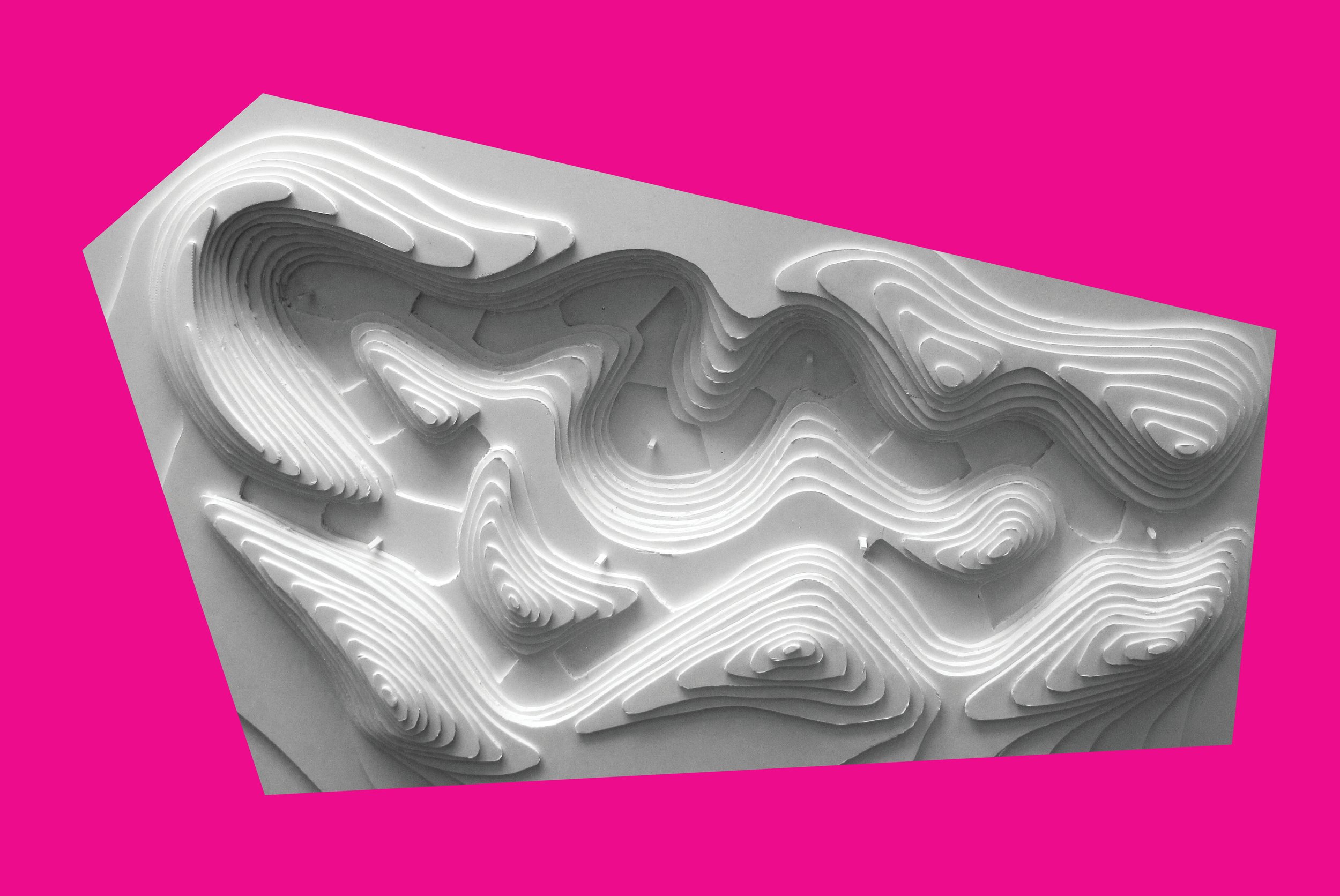
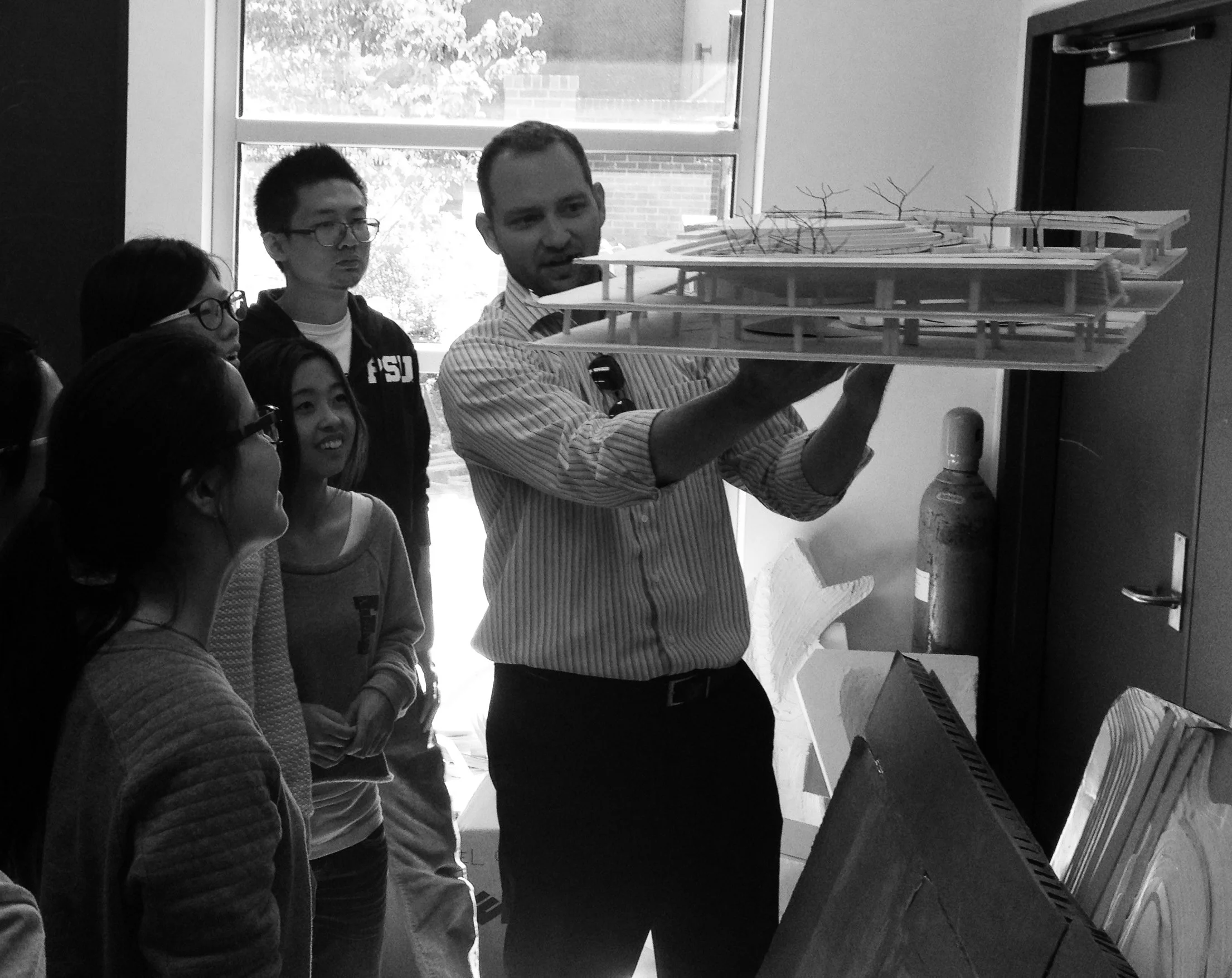
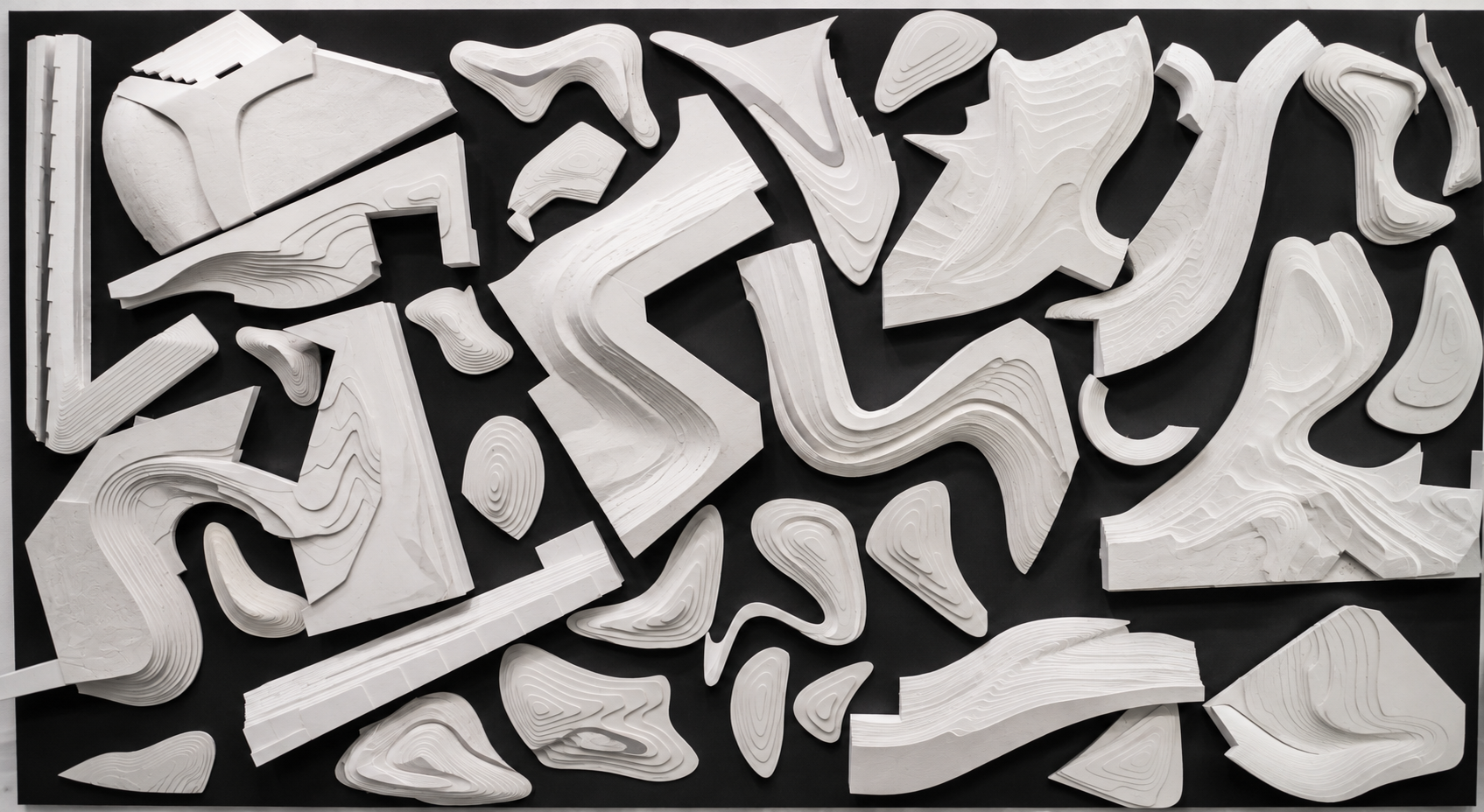
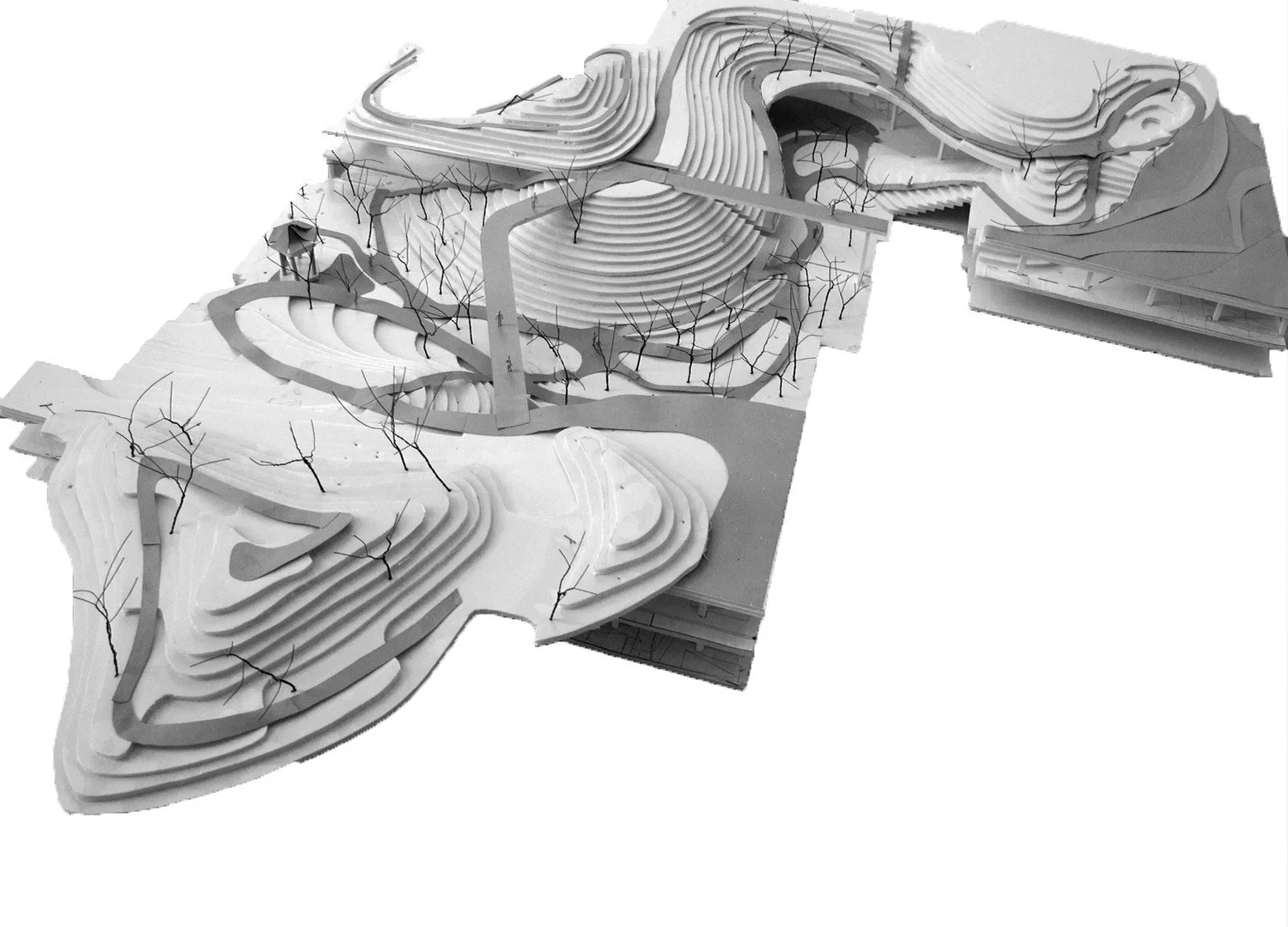
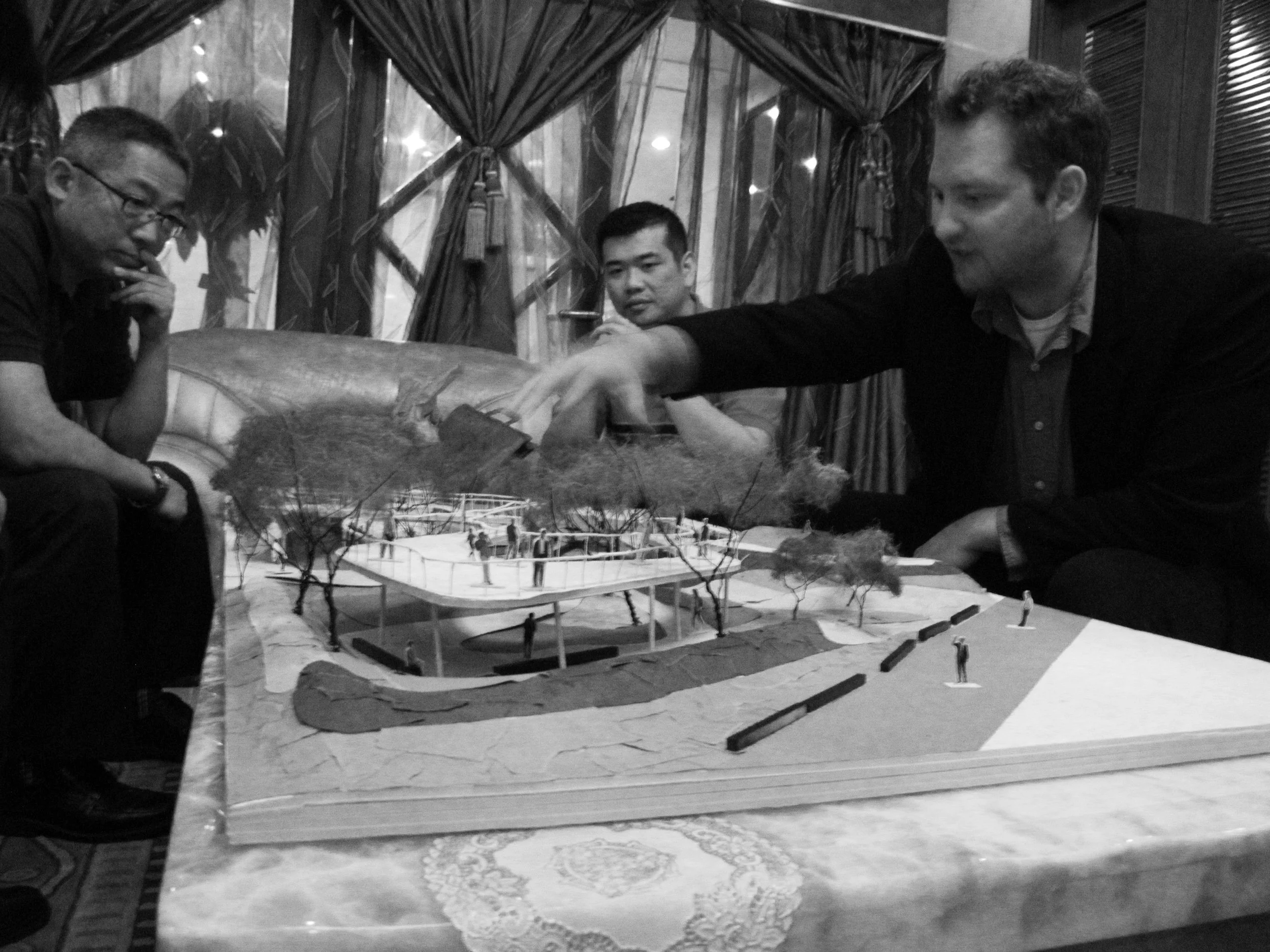
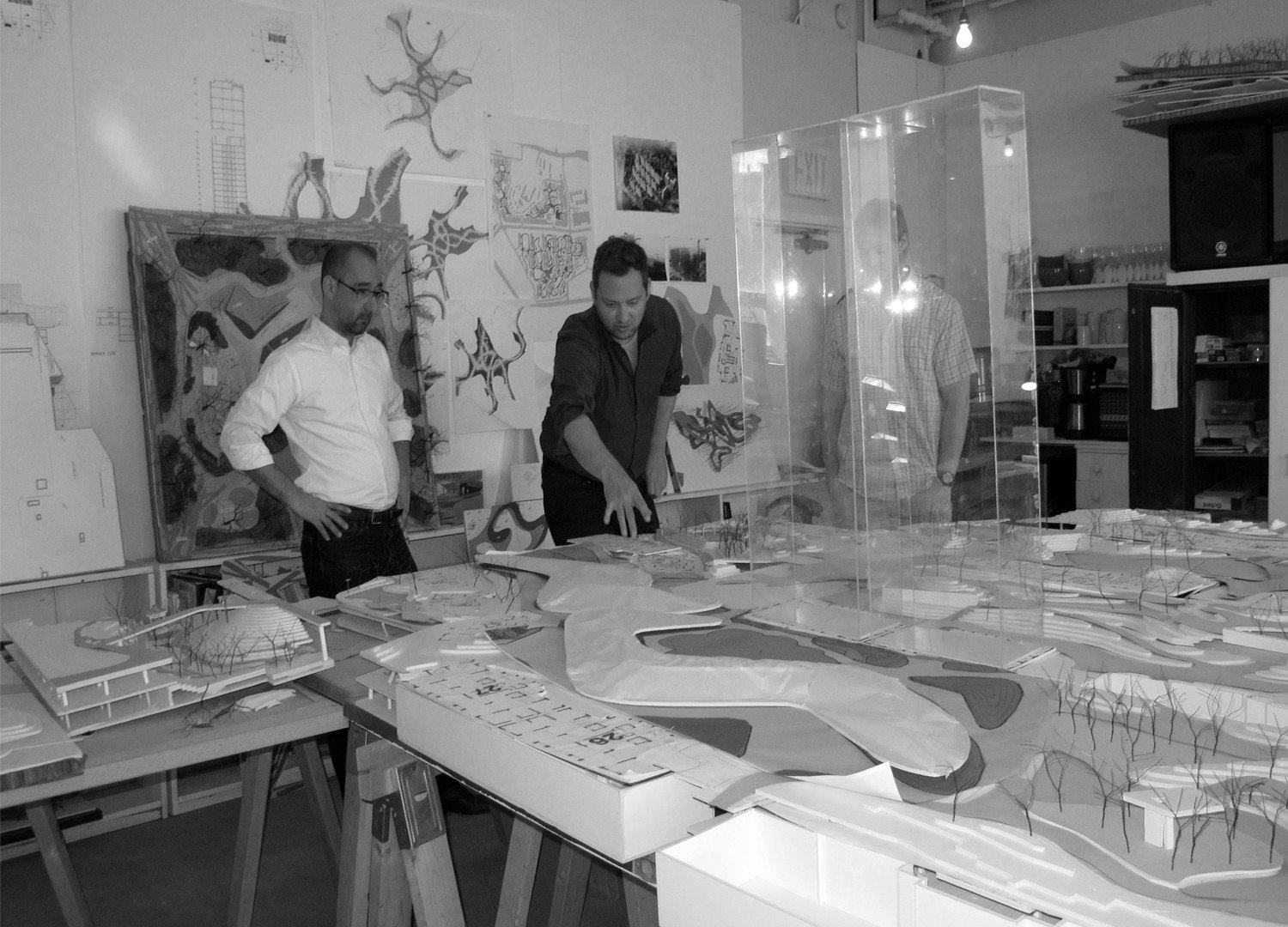
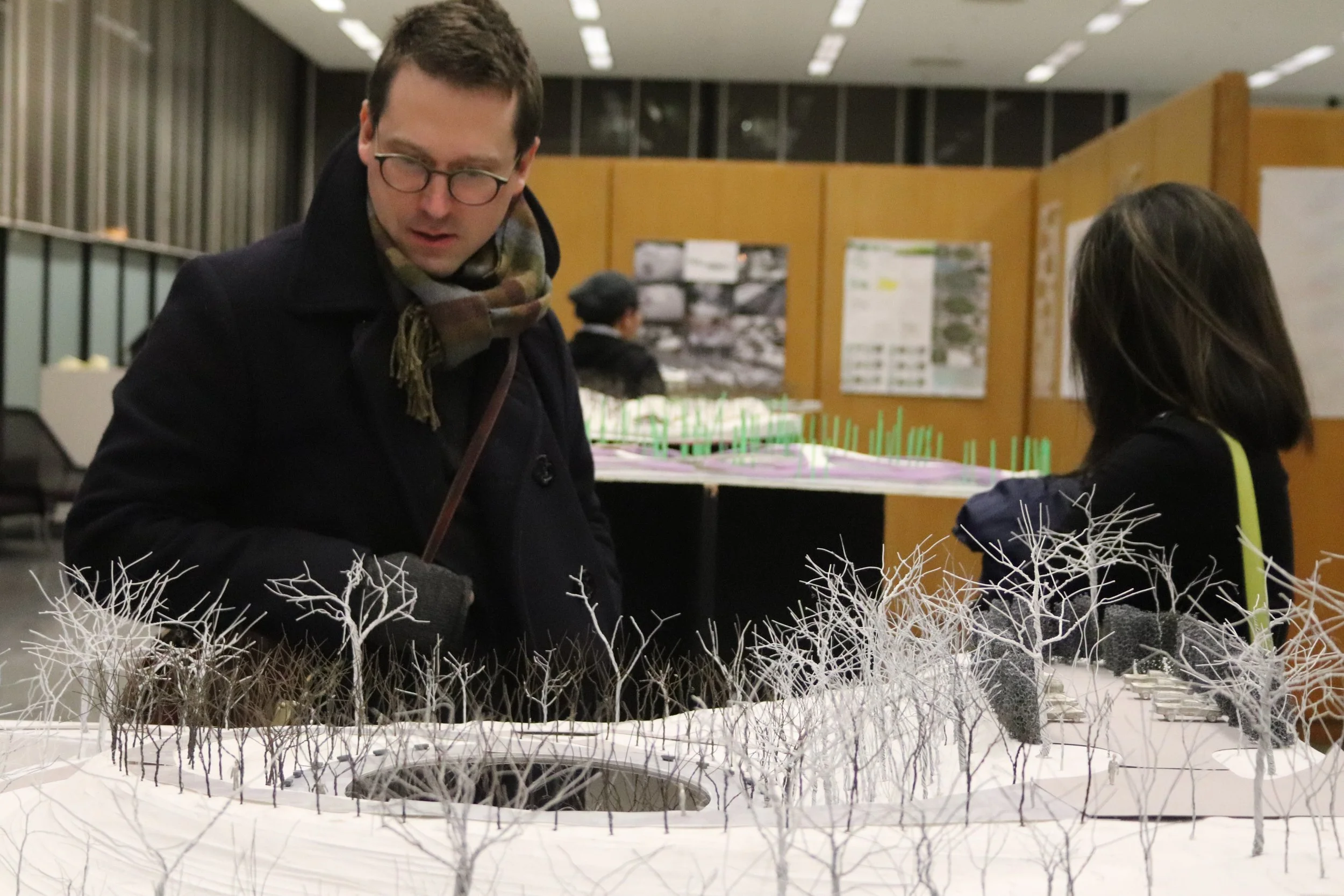
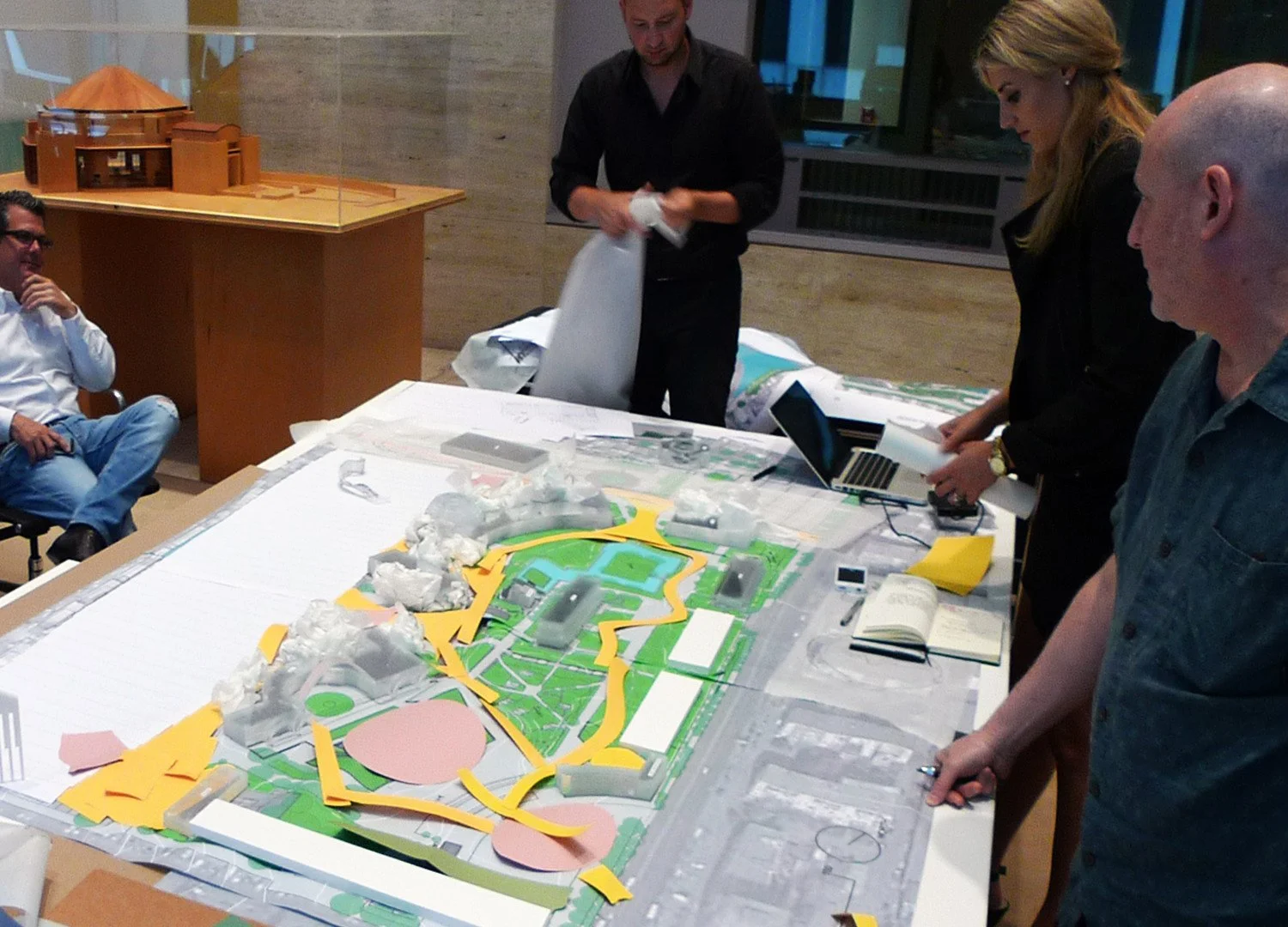
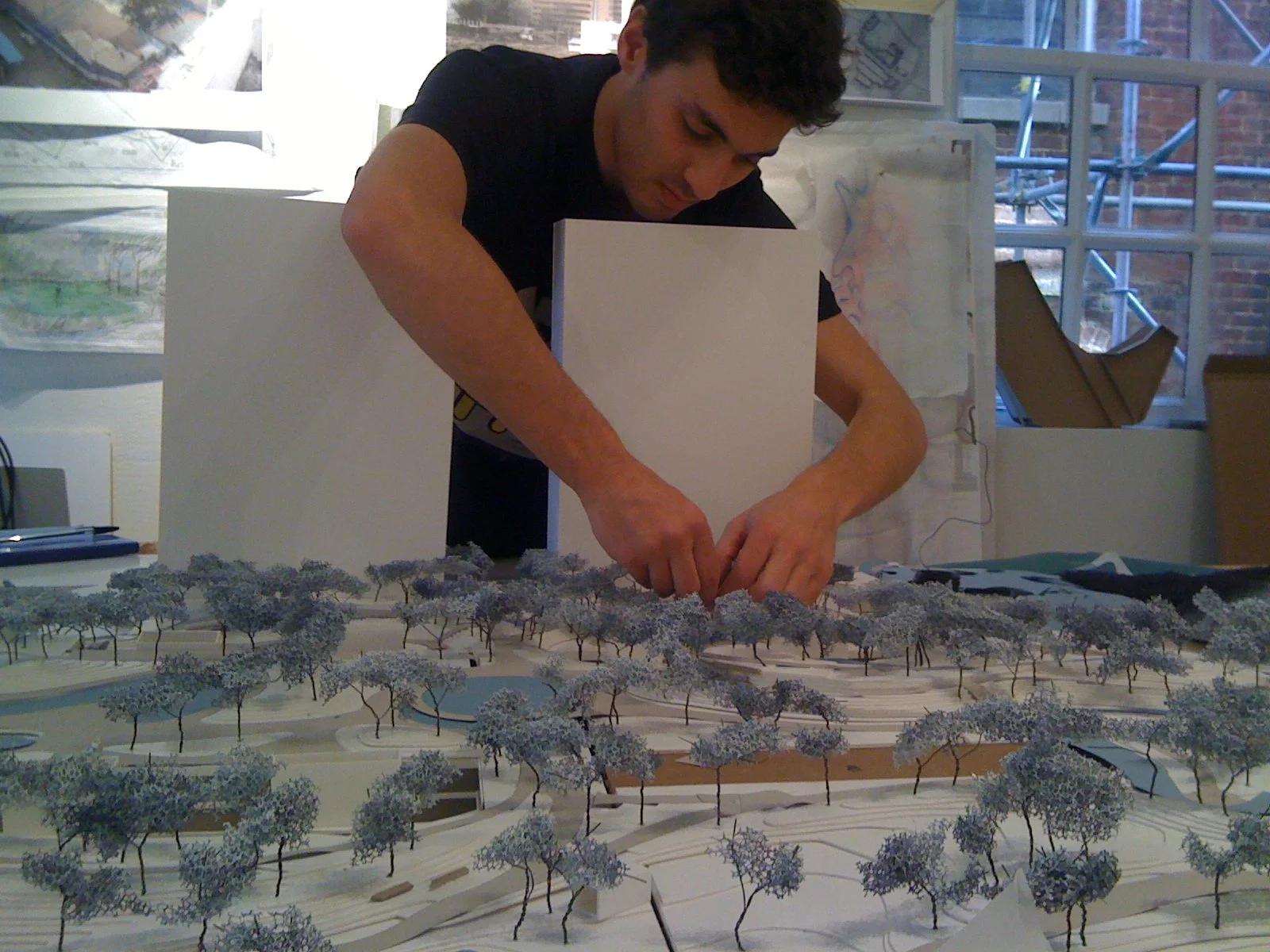
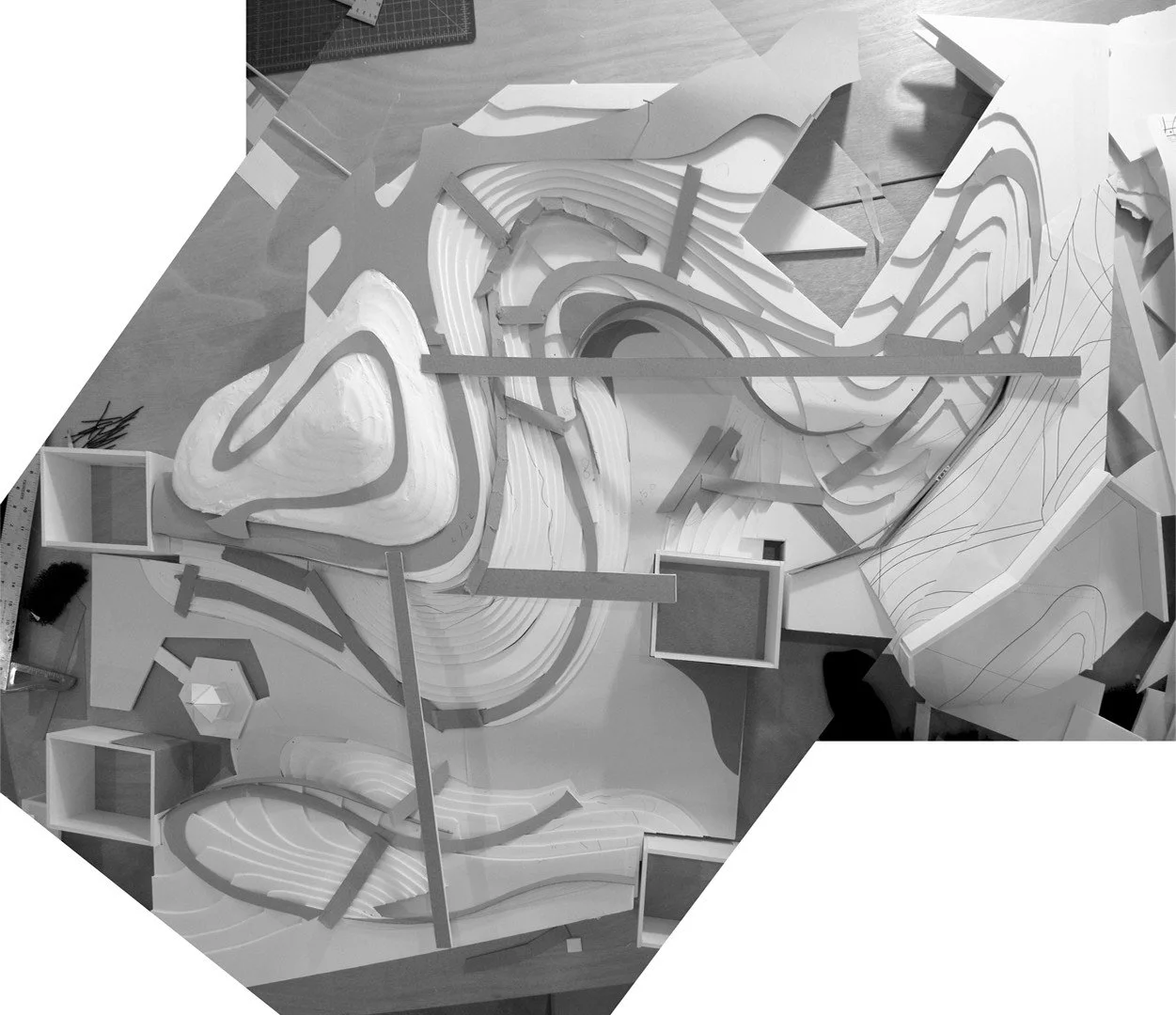
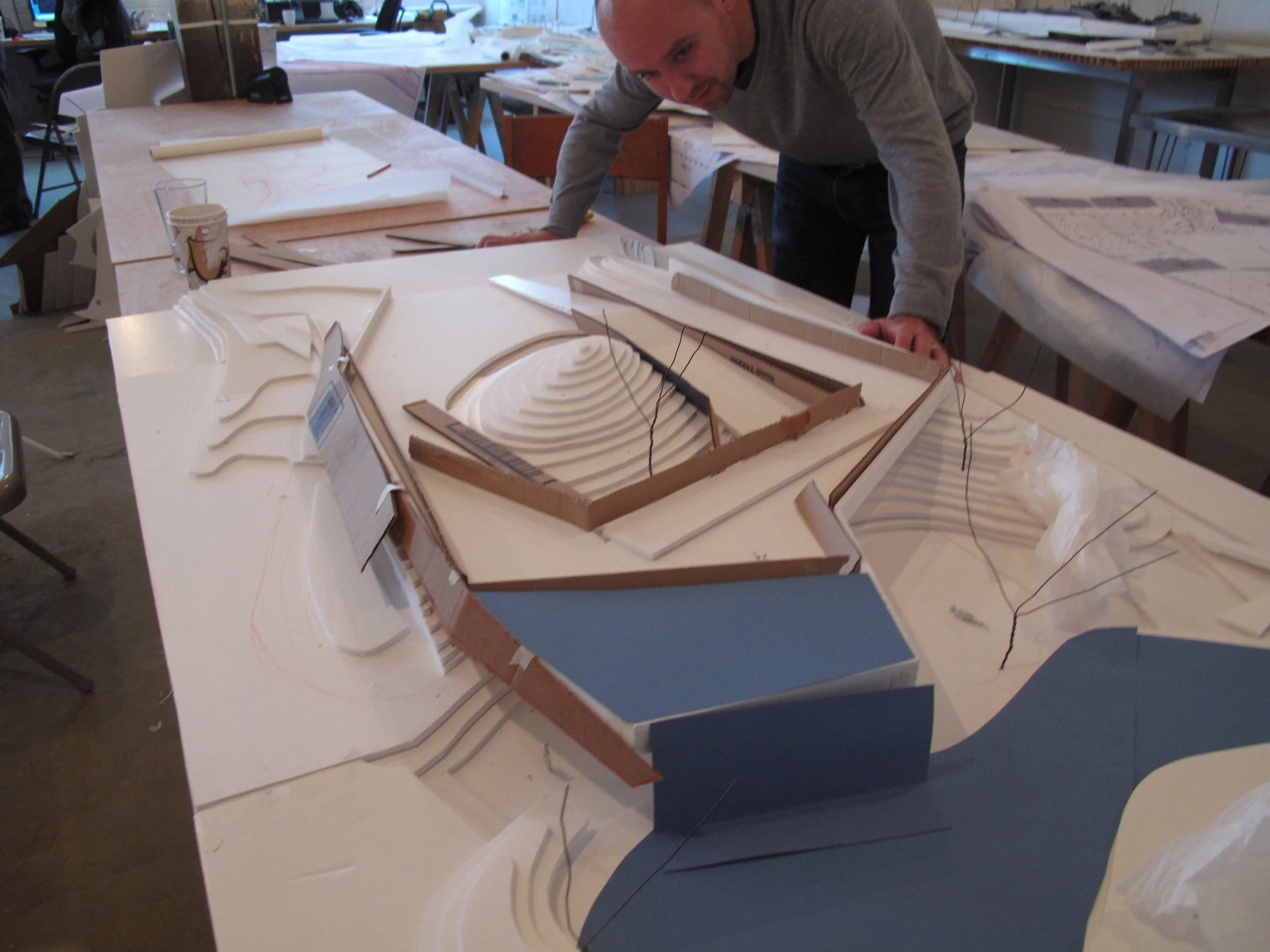
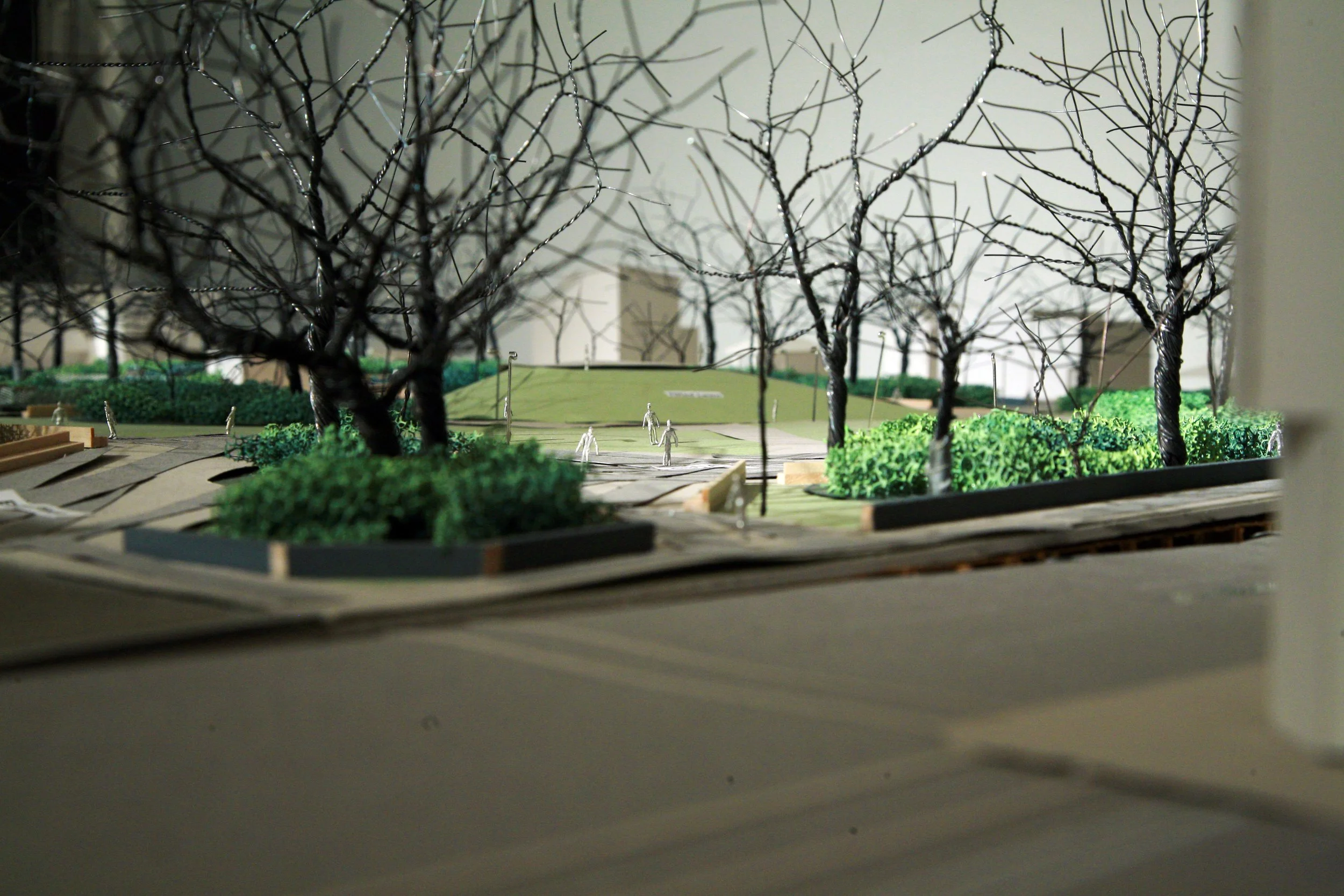
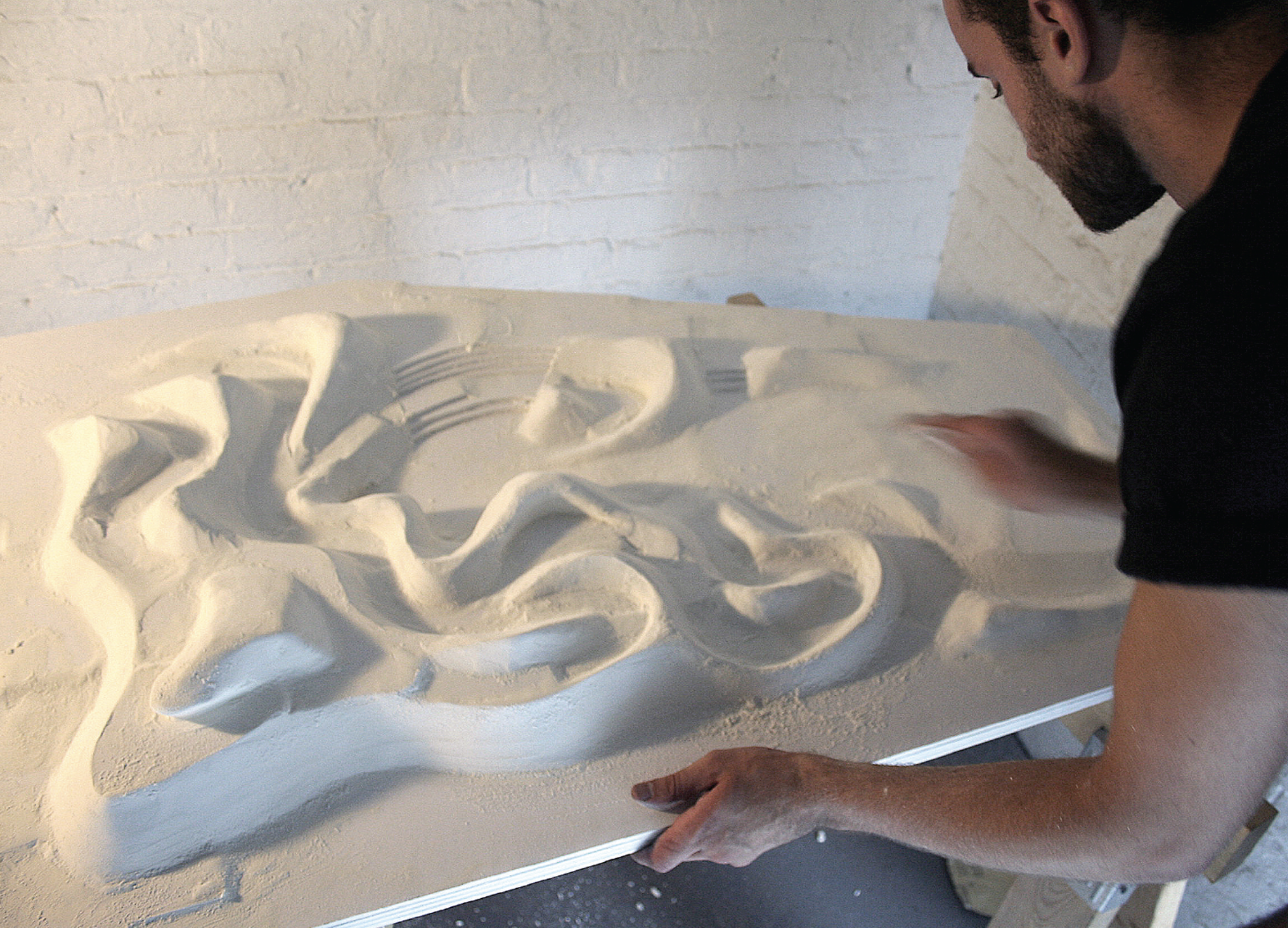
One of the most important lessons has been the value of the tactile. This sensibility was shaped early in my career through my experience at Michael Van Valkenburgh Associates, where the physical act of making was central to design. Large scale physical models became essential tools, not simply for representation, but for discovery. They help reveal the physical implications of ideas, test relationships in space, and communicate intent to others in a way that drawings alone often cannot. Many people may not fully understand plans, but they understand models. More importantly, through making them, I came to better understand the work itself.
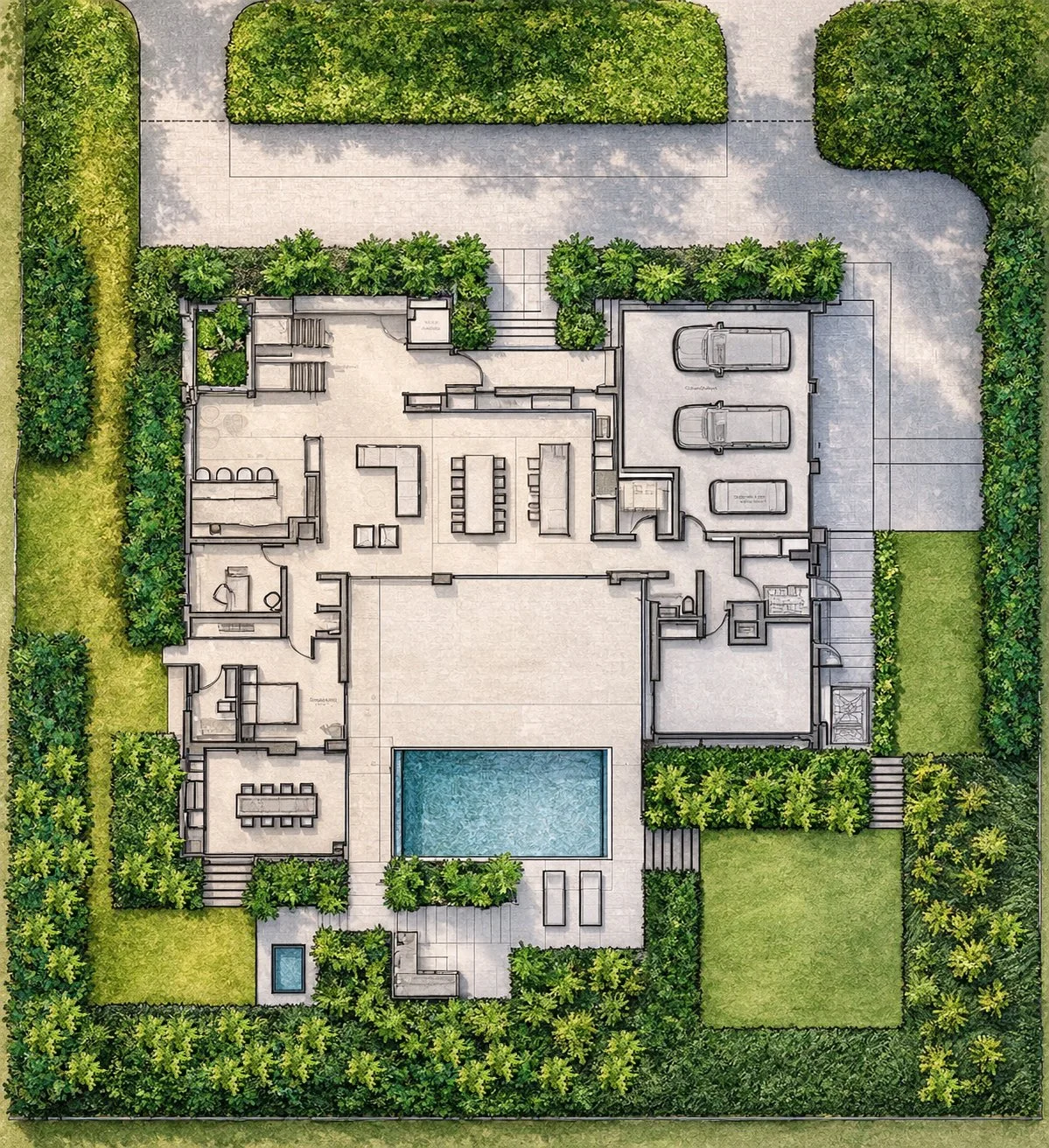
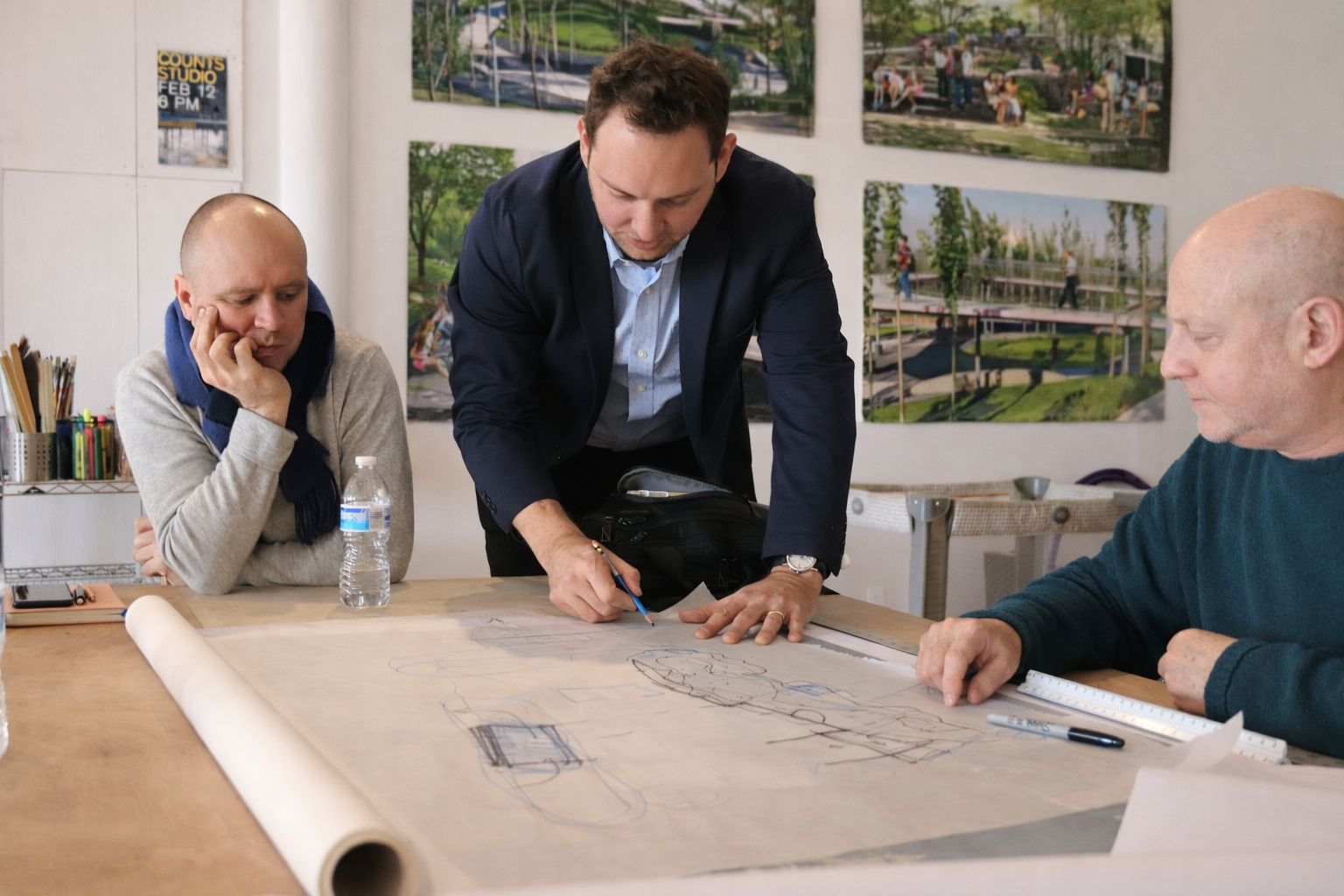
Equally important is the act of drawing. The connection between mind, hand, and paper remains fundamental to how I think. Drawing is not just a way to document ideas, but a way to find them. It allows for immediacy, intuition, and a direct engagement with space that is difficult to replicate otherwise. It is something I have always done and continue to rely on as a core part of the process. This understanding has been reinforced over time, particularly through working with Raymond Jungles, another truly gifted landscape architect I have been lucky enough to collaborate with, whose abilities extend beyond drawing to a deep command of plants, ecology, and materials. His work further underscored the importance of maintaining a strong connection between design, making, and the living systems that define landscape architecture.
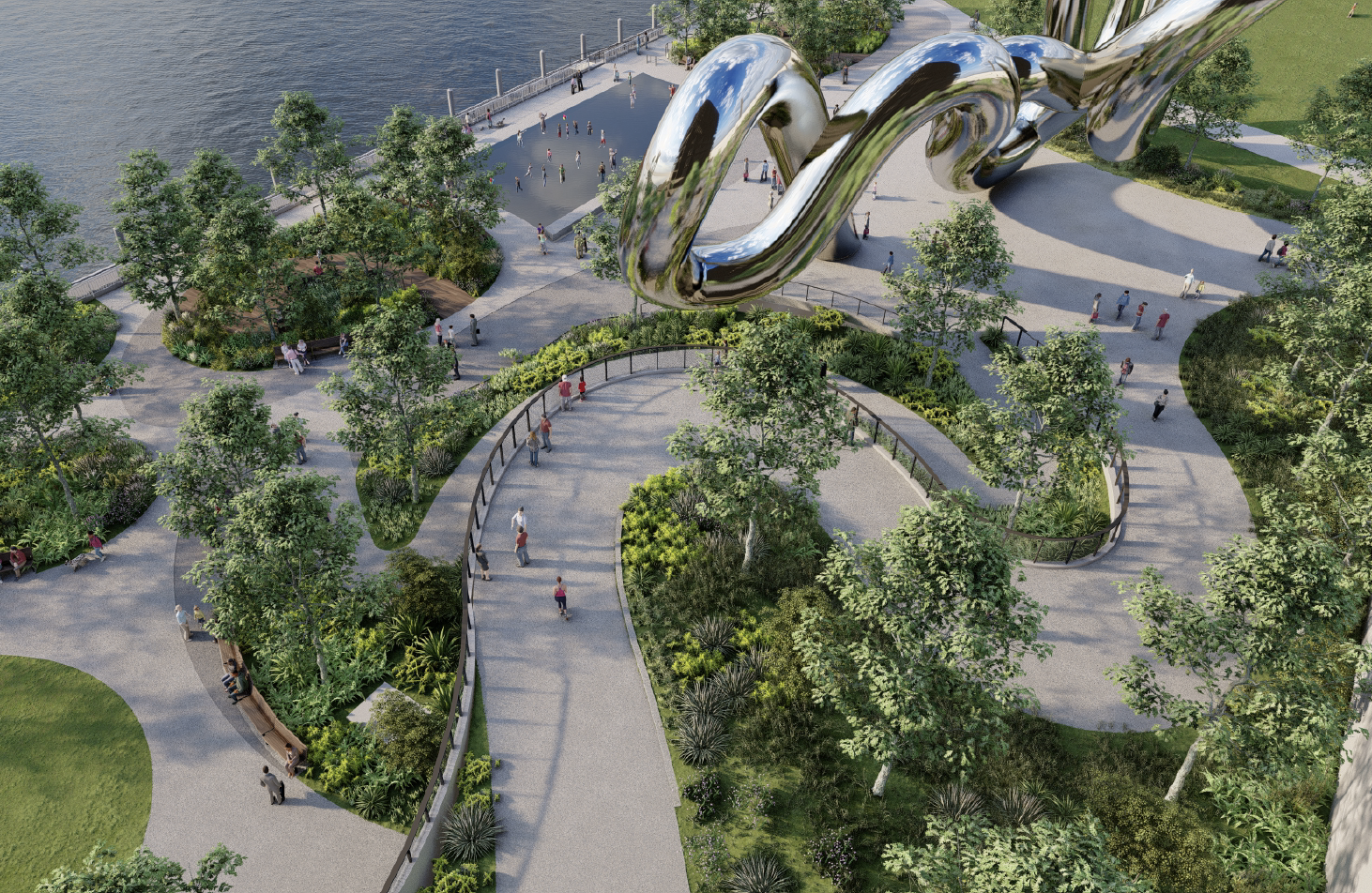
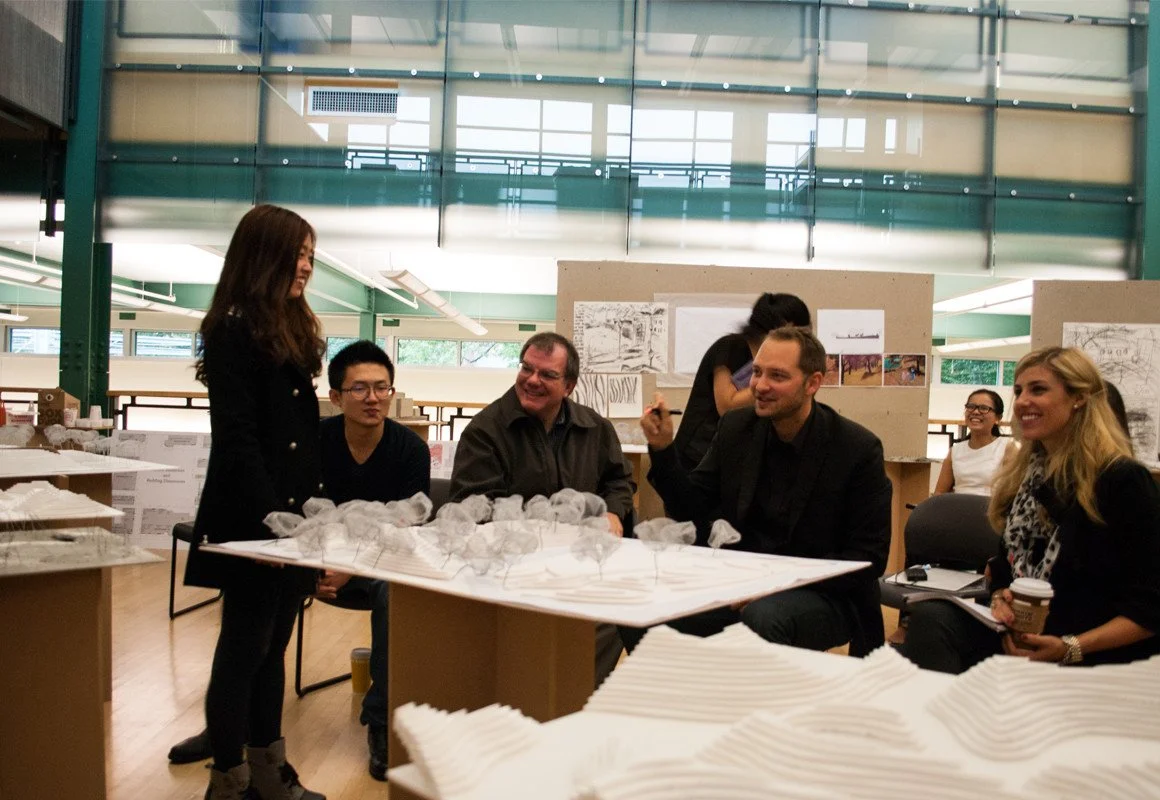
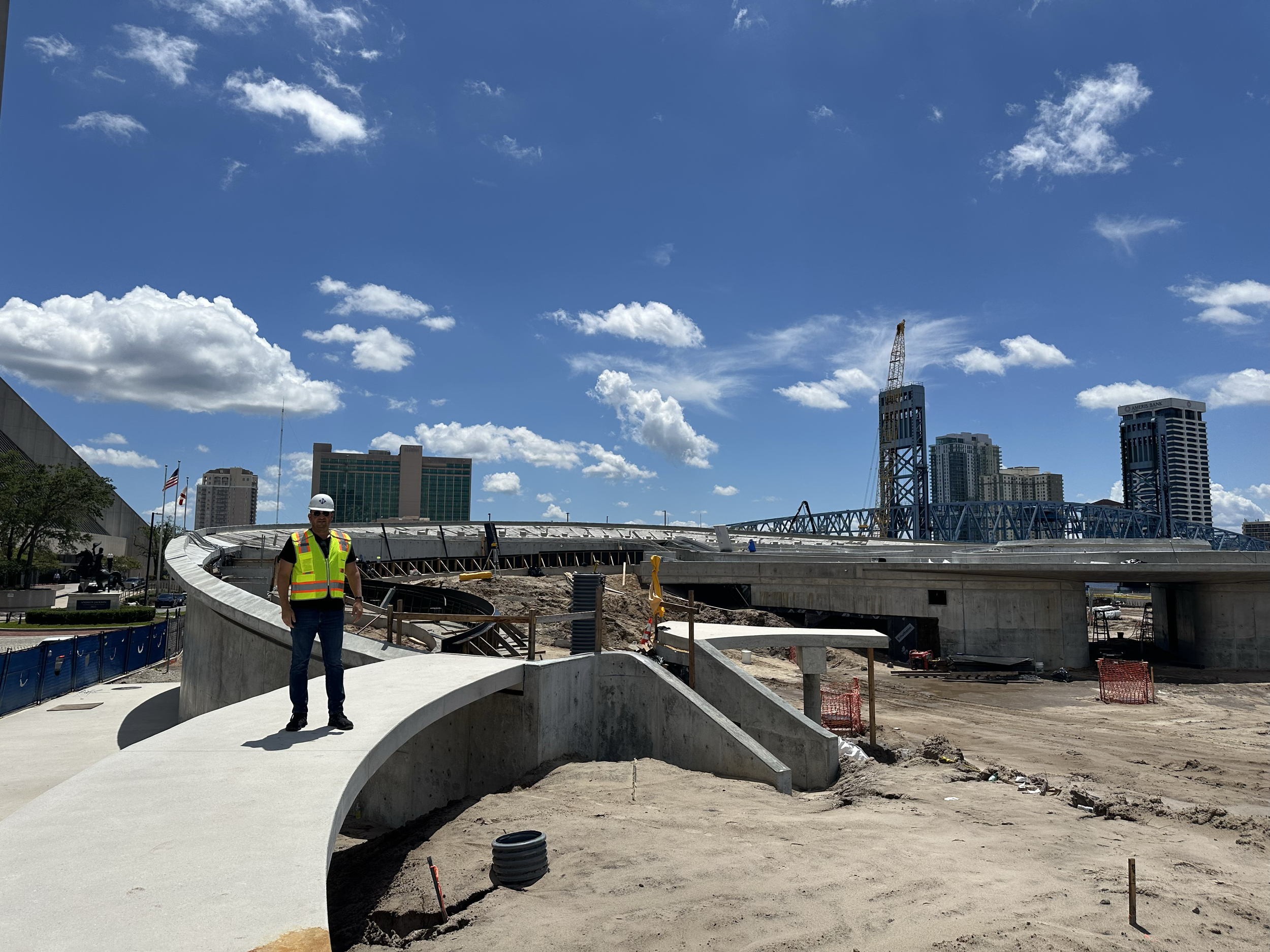
Additional lessons have come through my own studio and through collaborations with larger practices such as Perkins and Will, where I gained a deeper understanding of working at scale and at the intersection of architecture and landscape. These experiences reinforced how landscape thinking can both shape and be shaped by architecture, and how design operates across multiple scales, from the intimate to the urban. At the same time, I have learned the importance of embracing digital tools and evolving technologies. Digital modeling, animation, and emerging tools such as AI offer powerful ways to test and visualize ideas. But the lesson has not been to replace one method with another. Rather, it is in the combination, the confluence of analog and digital, where the process becomes most effective. Each offers something different, and together they provide a more complete understanding of the work. The process, as I have come to understand it, is iterative and grounded in making. A simple but enduring idea has guided much of the work: let’s make a model of it. Through making, testing, drawing, and reworking, ideas evolve. While many of the physical models created over the years are no longer with me, the thinking they generated remains.
Ultimately, these are lessons learned across different contexts, through practice, collaboration, and teaching. They are not fixed rules, but principles that continue to evolve. If there is a common thread, it is the belief that landscape architecture is something to be explored physically, drawn intuitively, and tested rigorously, always with the goal of creating meaningful places for people and the environment.